
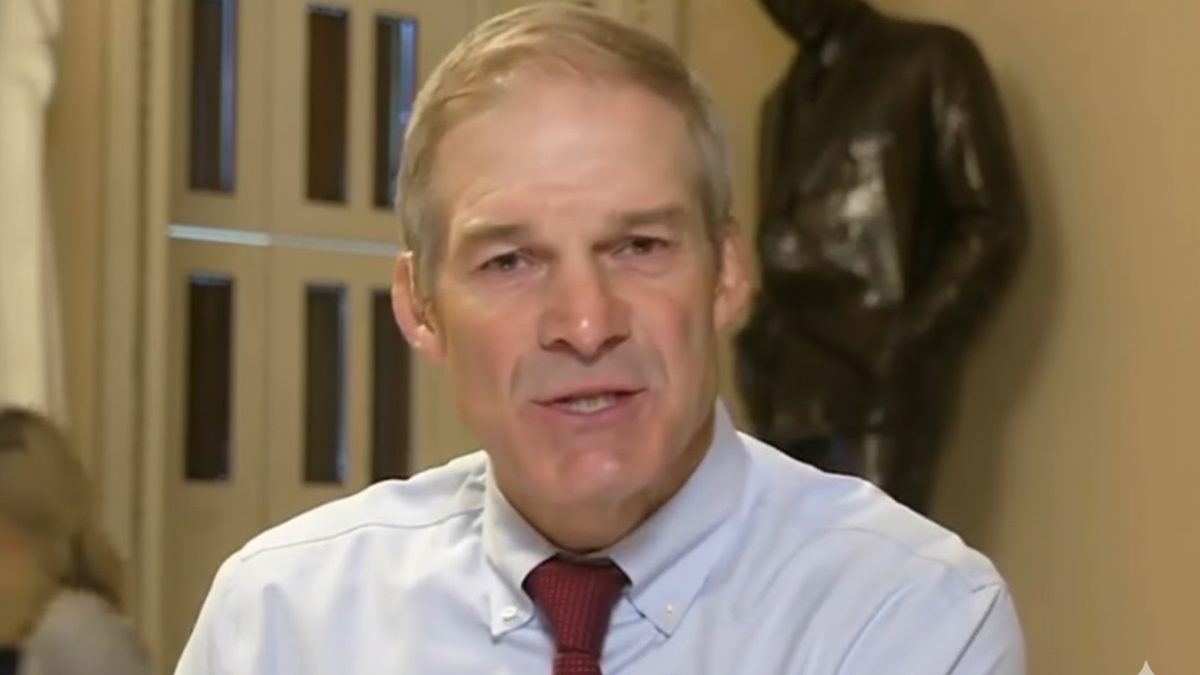
DOJ Subpoenaed Rep. Jim Jordan’s Phone Records Back to 2020, Sparking New Oversight Fight
The Justice Department secretly subpoenaed Rep. Jim Jordan’s personal phone metadata in 2022, seeking records from Jan. 1, 2020 onward as part of a January 6–related probe — a revelation that has triggered new congressional oversight fights.
Key takeaways
- Subpoena details: A 2022 DOJ subpoena sought toll records and metadata for Jordan’s personal number and three other numbers covering Jan. 1, 2020 through more than two years; reports say Verizon complied.
- Scope of data: The request sought metadata (timing and parties) not call/text content, and was accompanied by a one‑year gag order.
- Investigation link: The request is tied to the Arctic Frost probe and was issued before the prosecutor later joined Special Counsel Jack Smith’s team.
- Political fallout: House Republicans have opened oversight actions, sought telecom records, and referred prosecutors for investigation amid separation‑of‑powers concerns.
Main story
What happened
Federal prosecutors issued a subpoena in 2022 seeking toll records and other metadata tied to Rep. Jim Jordan’s personal phone number and three additional numbers. The subpoena requested records beginning on Jan. 1, 2020 and extending for more than two years. Reports indicate the request sought timing and parties to calls and texts, not the content of communications. For the original reporting see the Fox News report and the AOL article.
“The subpoena was accompanied by a one‑year gag order that delayed disclosure to Jordan and the public,” according to reporting that identified a service provider and compliance steps.
Video coverage of the disclosure is available in the published footage; see the YouTube video referenced in reporting.
Timing and links to the Jack Smith investigation
Reporting indicates the prosecutor who issued the subpoena later joined Special Counsel Jack Smith’s team — but the subpoena predated Smith’s appointment by roughly seven months. Republicans have emphasized that sequence while questioning investigative reach into members of Congress. The records request has been tied to the investigation nicknamed Arctic Frost, a DOJ probe connected to Jan. 6 and election‑related matters that reportedly included subpoenas or record requests involving several Republican lawmakers.
For context and ongoing coverage, see related reporting at the Fox News report and wider reporting on Congressional oversight at Politico live updates.
Why Republicans are mobilizing
Jordan served as the ranking Republican on the House Judiciary Committee when the subpoena was issued. Republicans argue the subpoena intrudes on legislative independence and may implicate the Speech or Debate Clause and separation‑of‑powers protections. In turn, GOP lawmakers have demanded documents from telecom firms and opened investigations into the conduct of the Justice Department and Special Counsel personnel.
Recent actions by House Republicans include requests to telecommunications companies and referrals of prosecutors for investigation; see Congressional reporting at AOL and the Politico update.
Legal context: metadata, gag orders and compliance
Toll records and metadata are commonly used in federal probes to map contact patterns without capturing content. Courts often permit subpoenas for such records, and providers have legal obligations to comply with valid orders. At the same time, gag orders can delay notification to targets and the public, raising challenges to transparency and oversight.
Providers named in reporting — notably Verizon — are reported to have complied and produced data to the DOJ. The balance between investigative needs and privacy, along with separation‑of‑powers concerns, is central to the partisan dispute in Congress.
Implications for Las Vegas, Nevada
- Trust in federal institutions: Nevadans may demand clearer rules about subpoenas and privacy protections.
- Local lawmakers: Nevada’s members of Congress could face constituent pressure to clarify oversight positions.
- Telecom and business impact: Local consumers and businesses may press service providers for greater transparency on compliance.
- Political tone and elections: The dispute could influence local campaigns and voter conversations in Las Vegas.
- Practical effects: Congressional oversight could lead to policy or procedural changes affecting data governance and gag orders.
Ongoing developments and what to watch
House oversight steps continue: Republicans have sought telecom records and moved to refer prosecutors for investigation. The Justice Department and the special counsel’s office say investigative tools are necessary in high‑profile probes and that legal rules are followed. Watch for hearings, document releases, and vote counts that will help clarify the legal basis and scope of the data requests.
Key sources and documents for follow‑up include the initial reporting and committee materials: Fox News report, the AOL article, the referenced video coverage, the Politico live updates, the official committee report, and the full PDF of the House report.
Reporting sources
Reporting sources referenced in this article include the Fox News report, the AOL article, video coverage on YouTube, Congressional reporting at Politico, and official committee materials available via Congress.gov and the Government PDF.



