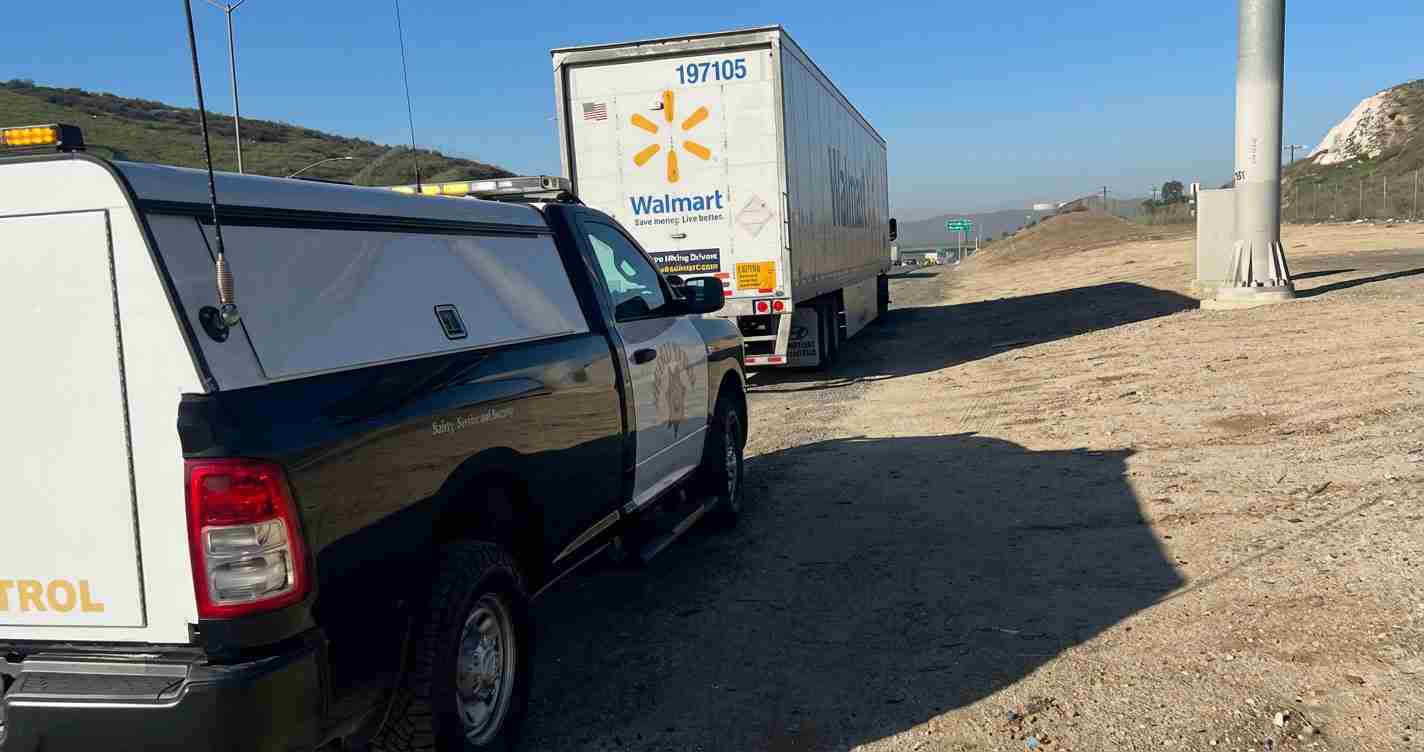
CHP I‑15 Commercial Strike Force Issues 352 Citations; Only Two HAZMAT Checks, Raising Safety Questions
On February 26, 2026, CHP Rancho Cucamonga coordinated a multi-division Commercial Strike Force along Interstate 15 from San Diego to Primm, conducting 245 inspections and issuing 352 commercial citations during a corridor-wide enforcement detail.
- Mass enforcement: 245 inspections produced 352 commercial citations, plus 56 commercial warnings and 11 verbal warnings.
- HAZMAT gap: Only two hazardous materials inspections were reported, raising questions about corridor HAZMAT coverage.
- Mechanical issues dominate: 270 mechanical violations and numerous moving violations (107 unsafe speed, 77 out‑of‑lane).
- Regional implications: Actions affect freight flow to Las Vegas and may prompt calls for greater inter‑agency data sharing.
Operation overview and scope
The CHP Rancho Cucamonga Station led a corridor enforcement operation on Interstate 15, stretching from San Diego through Southern California to Primm/Stateline near the Nevada border. The detail pooled personnel from both Inland and Border Divisions to provide what officials described as “full corridor enforcement coverage.” Participating offices included Oceanside, San Diego, Temecula, Riverside, Rancho Cucamonga, San Bernardino, Victorville, Barstow and Mountain Pass (JPOE). (Sources: Pain in the Pass, CDL Life)
Enforcement totals and patterns
Inspectors completed 245 total vehicle inspections during the daylong detail. The operation recorded 352 commercial citations, 56 commercial warnings and 11 verbal warnings. Officials placed 18 drivers out of service, 40 vehicles out of service, and impounded 4 vehicles. Notably, only two inspections were reported specifically as hazardous materials (HAZMAT) checks. (Sources: Pain in the Pass, CDL Life)
Driver and carrier violations
Inspectors documented a range of driver and carrier violations during the operation, including:
- 20 driver license violations
- 24 registration violations
- 27 operating authority violations
- 39 hours‑of‑service / logbook violations
(Sources: Pain in the Pass, CDL Life)
Mechanical and moving violations
The majority of enforcement actions addressed vehicle mechanical defects and moving violations. Totals reported include:
- 270 mechanical violations
- 107 unsafe speed violations
- 77 out‑of‑lane violations
- 48 other moving violations
- 23 non‑emergency stop violations
- 6 cell phone violations
- 43 citations issued to non‑commercial vehicles
Totals were reported identically across regional outlets. (Sources: Pain in the Pass, CDL Life)
CHP messaging and credited teamwork
“The teamwork and commitment demonstrated by officers across both Divisions directly contributed to measurable enforcement results and improved roadway safety along one of California’s most heavily traveled freight corridors.”
CHP emphasized teamwork, safety as a shared responsibility, and pledged continued proactive enforcement and education. (Sources: Pain in the Pass, CDL Life)
Transparency gaps and unanswered questions
Beyond regional traffic and trucking outlets, public reporting of the operation is sparse. No statewide CHP press release or formal brief was located beyond local sites that reproduced the same figures. That limited public accounting raises questions: where and when were stops concentrated, what specific mechanical defects predominated, and what HAZMAT risks — if any — were identified in the two HAZMAT inspections?
(Coverage sources: Pain in the Pass, CDL Life, Victor Valley News Group)
I‑15 HAZMAT enforcement: limited checks, broader concerns
Although hazardous materials enforcement was listed among the operation’s focuses, only two HAZMAT inspections were reported out of 245 checks. Given I‑15’s mountain passes and populated exits, HAZMAT incidents can have outsized consequences. The small number of reported HAZMAT inspections does not prove absence of hazards but highlights a potential need for additional targeted HAZMAT sweeps on the corridor.
(Source: Pain in the Pass, CDL Life)
Local reporting and corroboration
Most coverage appears on regional trucking and traffic sites that republished CHP figures — notably Pain in the Pass and CDL Life, with additional reporting at Victor Valley News Group). No widely published CHP release added crash‑reduction metrics, enforcement mapping, or trend analysis.
Participating offices and logistics
Officials reported coordinated staffing from both Inland and Border Divisions to allow continuous coverage along I‑15. Listed participants include Barstow and Mountain Pass (JPOE), in addition to Oceanside, Rancho Cucamonga, Riverside, San Bernardino, San Diego, Temecula and Victorville. Pooling staff across jurisdictions likely improved checkpoint throughput and enabled inspectors to address violations at multiple corridor points. (Sources: Pain in the Pass, CDL Life)
Why this matters for regional freight and safety
Interstate 15 is a major freight artery between Southern California and Nevada. High counts of mechanical defects and unsafe speed citations indicate a notable safety risk: such violations can slow commerce and increase crash potential. One‑day operations can reveal compliance issues but yield limited long‑term mitigation unless paired with industry outreach and follow‑up enforcement.
Implications for Las Vegas, Nevada
Economic impact
Freight flow to Las Vegas depends on I‑15. Short‑term delays from enforcement and out‑of‑service removals can affect casinos, retail and food distributors. Carrier fines and repair costs may pass downstream in higher shipping fees. (Source: Pain in the Pass, CDL Life)
Political consequences
Clark County officials and transportation planners may seek clearer CHP data to determine if additional enforcement or infrastructure changes are needed near the state line. Lawmakers balancing commerce and safety could press for inter‑agency coordination and data sharing. (Sources: Victor Valley News Group, Pain in the Pass)
Social effects
Public safety stands to benefit if enforcement removes high‑risk trucks from the road. At the same time, visible enforcement may raise concerns among drivers about checkpoint frequency and consistency; clear communication can help maintain community confidence. (Source: Pain in the Pass)
Cultural relevance
Nevada’s emphasis on commerce and tourism means stakeholders will weigh safety measures against economic impacts. Enforcement perceived as targeted at high‑risk behaviors is likelier to win broader support than measures seen as arbitrary or disruptive. (Source: CDL Life)
Practical applications for drivers, carriers and officials
- Carriers: Inspect fleets for mechanical and logbook compliance, prioritize hours‑of‑service training, and review HAZMAT documentation procedures.
- Local officials: Request after‑action reports or pursue data‑sharing agreements with CHP to track trends and plan targeted safety campaigns near the state line.
- Emergency responders: Refresh HAZMAT preparedness plans given the small number of reported HAZMAT inspections and potential corridor risks.
(Sources: Pain in the Pass, Victor Valley News Group, CDL Life)
Reporting note
Enforcement figures in this article are drawn from regional traffic and trucking news coverage of the CHP operation. See full reports at Pain in the Pass, CDL Life, and Victor Valley News Group. Additional procurement and unrelated items were noted at HigherGov.