Pro-Palestinian Protest in Downtown Boston Turns Violent; 13 Arrested, Four Officers Hurt
A pro-Palestinian protest organized by Students for Justice in Palestine in downtown Boston on the October 7 anniversary turned violent Tuesday night, resulting in 13 arrests and four officers hospitalized with serious injuries, officials said.
- Violent escalation: A march from Boston Common to downtown reportedly blocked intersections and became confrontational, with smoke devices and flares used by some demonstrators.
- Casualties and arrests: Thirteen people were arrested; four Boston police officers sustained injuries, including broken bones and a broken nose requiring surgery.
- Charges and evidence review: Detainees face counts from unlawful assembly to assault on an officer; prosecutors will review body-worn camera and surveillance footage.
- Local and national implications: The clash spotlights tensions between free-speech rights and public-safety responses and has implications for campus and city planning elsewhere.
What happened: a peaceful march that broke down into violence
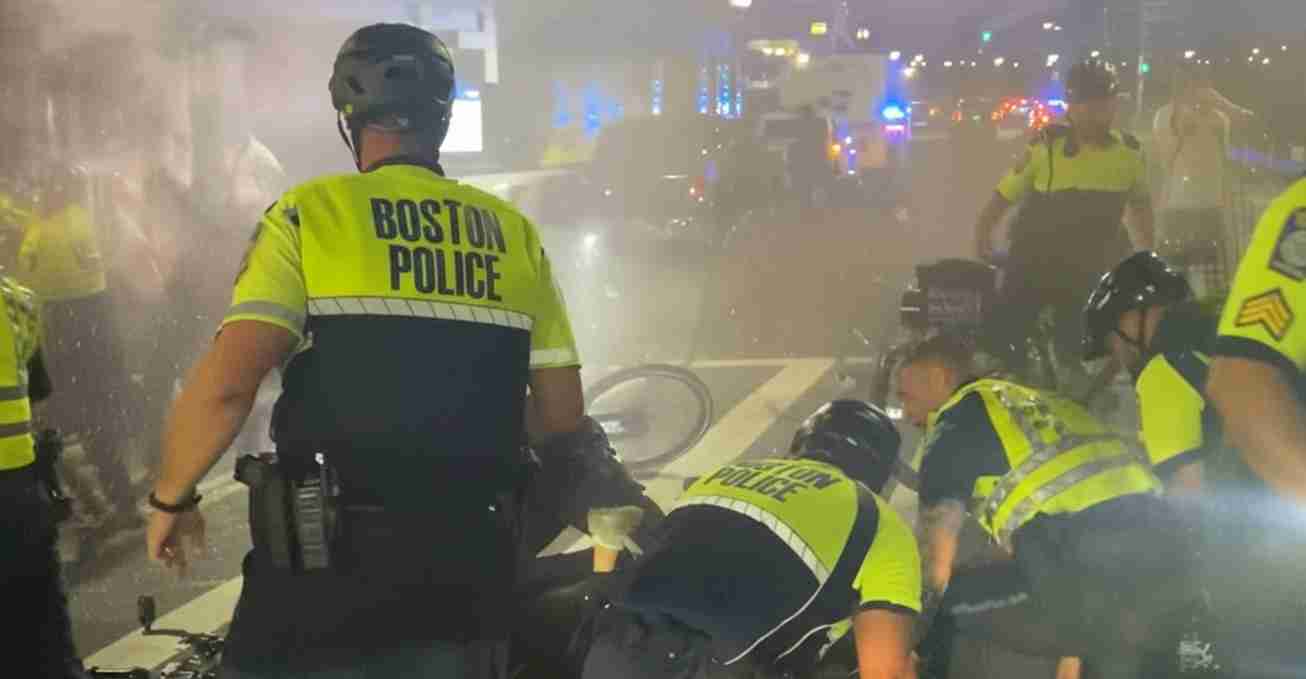
Protesters gathered at Boston Common and marched into downtown, where the crowd — estimated at 200–300 demonstrators — moved through major intersections and at times blocked roadways, impeding emergency vehicles. Police said portions of the crowd were equipped with facial coverings and gloves and used smoke devices and flares. When officers attempted to clear roadways so ambulances and fire crews could pass, a segment of the group surrounded police cruisers, kicked vehicle doors and resisted orders to disperse. Reporting on the incident is available from Fox News and Boston 25 News.
Assaults on officers and damage to equipment
Boston police reported multiple assaults on officers during the clash. One officer was struck in the face; others had duty gear removed, including body-worn cameras and radios. The department said these attacks increased risks to officers and bystanders, prompting an escalated law enforcement response. Four officers were transported to hospitals with injuries ranging from broken bones to a broken nose that required reconstructive surgery, per local reporting by CBS Boston and Boston 25 News.
Arrests and charges
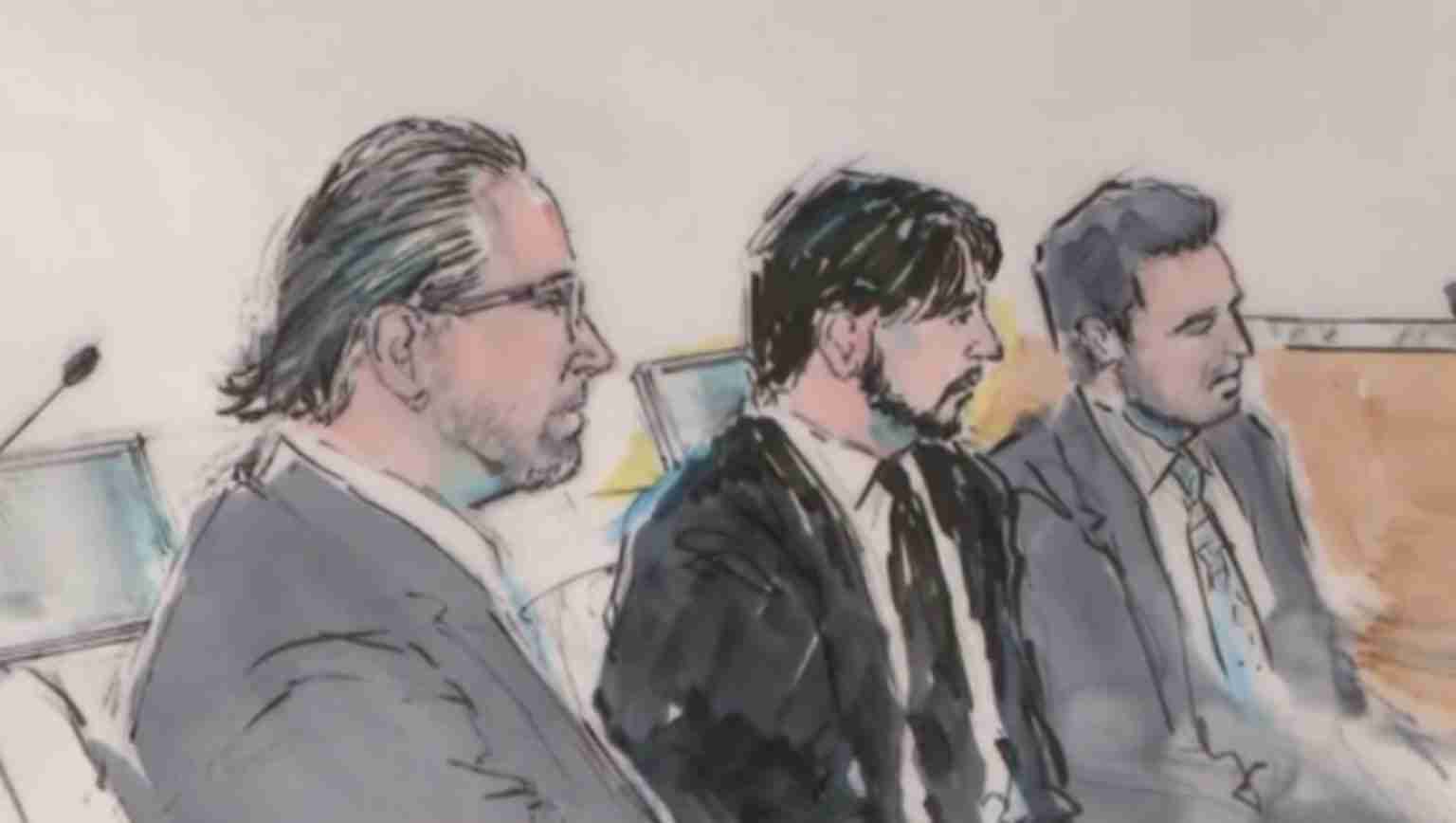
Police arrested 13 people either at the scene or shortly afterward. Booking records and filings show the detained face multiple counts, including unlawful assembly, violent resistance, obstruction of emergency response, assault and battery on an officer, resisting arrest, property destruction, disorderly conduct and disturbing the peace. Prosecutors indicated they will pursue robust charges against those accused of assaulting officers. (See coverage from Fox News and CBS Boston.)
The Roder Atwood case
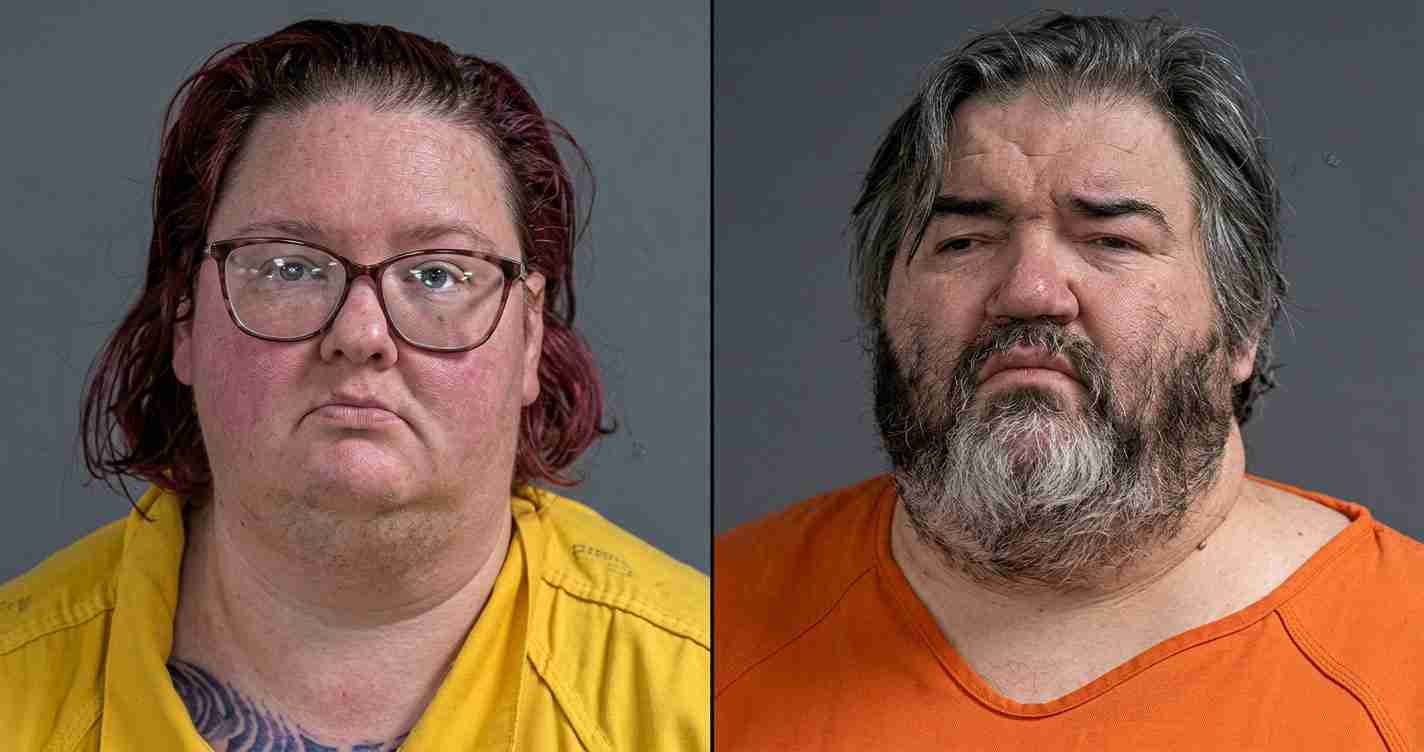
Notable arrest: Authorities identified 21‑year‑old Tufts student Roder Atwood as a defendant accused of striking an officer in the face and breaking the officer’s nose. Atwood is being held on $10,000 bail. Prosecutors pointed to pre-protest flyers depicting a burning police car as part of their argument that organizers or participants signaled intent to escalate. Reporting: CBS Boston and Fox News.
Official responses and free-speech tension
Mayor Michelle Wu praised the Boston Police Department for protecting public safety while stressing the city supports citizens’ right to peacefully protest. In a statement she declared,
“Those who attacked our police will be prosecuted to the fullest extent of the law.”
Supporters of the detained argued their gatherings represent political speech focused on the humanitarian crisis in Gaza and U.S. policy, highlighting the ongoing tension between upholding the First Amendment and enforcing public-safety measures. Coverage: Fox News and Boston 25 News.
Language and slogans at the scene
As tensions rose, some demonstrators chanted inflammatory phrases, including “BPD is KKK” and other expletive-laden slogans, according to police and media reports. Video and witness accounts show moments when the crowd’s rhetoric and actions intensified, contributing to arrests and the decision to clear roadways. Reporting noted by Fox News.
Nationwide context: protests, campuses and clashes
Boston’s unrest is part of a wider wave of pro-Palestinian demonstrations across the U.S. in 2024–2025. Student groups, including local Students for Justice in Palestine chapters, have organized actions at campuses and cities, with some events resulting in mass arrests or clashes. Examples and broader reporting include coverage from CalMatters, analysis from The Jerusalem Post, and archived video coverage available online.
Legal and investigative follow-up
Prosecutors and police said they will review body‑worn camera footage, surveillance video and witness statements to build cases. Charges range from misdemeanors such as disorderly conduct to more serious felonies, including assault and obstruction of emergency response. With officers hospitalized and equipment damaged or removed, city attorneys signaled they will pursue prosecutions reflecting the injuries and threats to public safety. (See reporting: Fox News, CBS Boston.)
Implications for Las Vegas, Nevada
Public safety planning and policing: Boston’s incident demonstrates how a largely student-led demonstration can overwhelm downtown streets. Las Vegas agencies should review crowd-control plans, intersection management and emergency-route protection prior to planned events.
University and campus relations: Local colleges, including UNLV and community colleges, may consider strengthening outreach to student organizers, clarifying permitted routes and safety measures, and reviewing campus disciplinary policies and cooperation agreements with municipal police. (Context: CalMatters.)
Political and civic tensions: National foreign-policy debates can produce local clashes; elected leaders in Clark County and Las Vegas should balance support for peaceful dissent with firm responses to violence to maintain public trust.
Emergency services and downtown businesses: Downtown businesses and emergency services should plan for disruptions: temporary traffic plans and proactive communication can mitigate risks from blocked intersections and delayed emergency response.
Community relations and dialogue: The clash emphasizes the value of proactive forums among community leaders, faith groups and universities to discuss Middle East policy, civil rights and protest etiquette to reduce chances of confrontation. (Analysis referenced in The Jerusalem Post.)
Sources and reporting notes
This article draws on reporting from Boston-area and national outlets. Original sources and further reading:
- Fox News
- Boston 25 News
- CBS Boston
- CalMatters
- The Jerusalem Post
- Archived video coverage: Video 1, Video 2, Video 3
Further developments, official statements and court records may refine details as investigations continue.