Massachusetts auditor sues Legislature in bid to force audits after $12M fraud finding — “What are they hiding?”
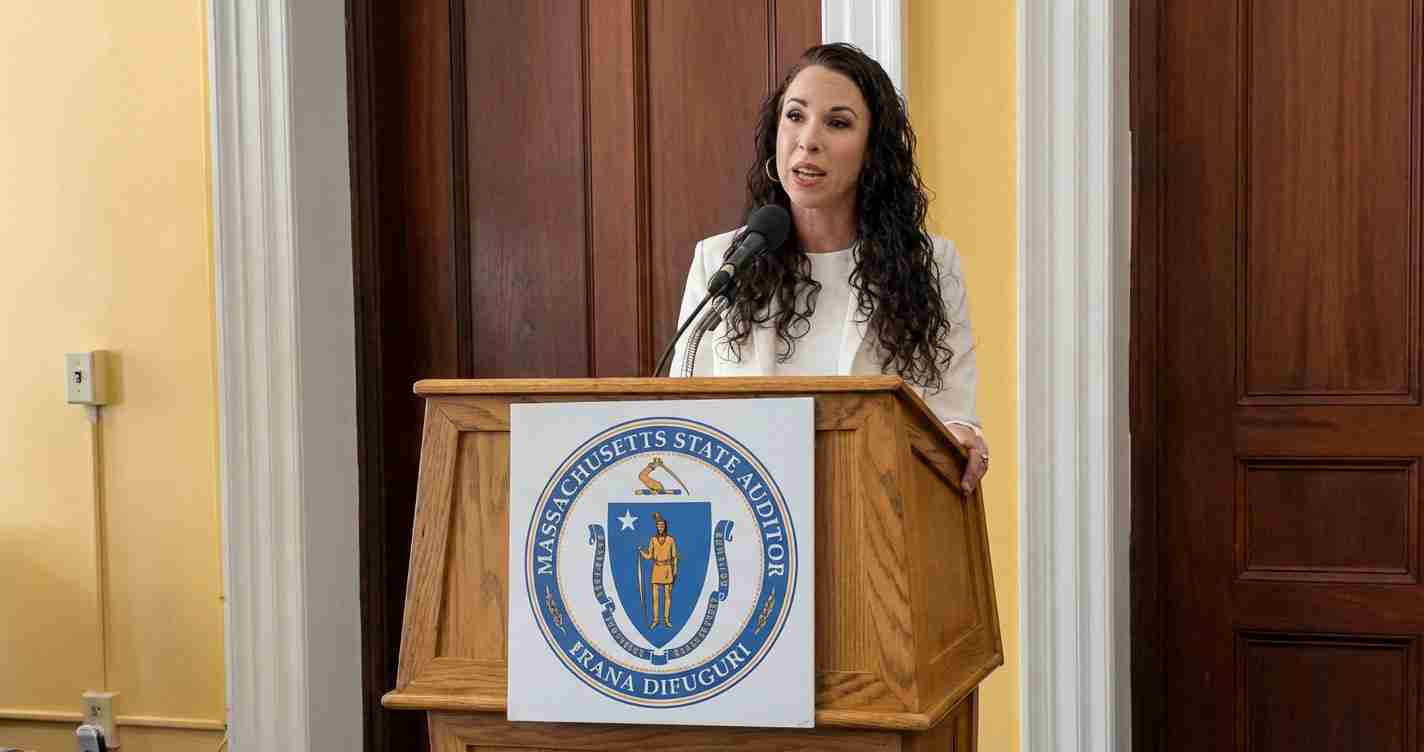
Massachusetts State Auditor Diana DiZoglio sued legislative leaders on Feb. 10, 2026, asking the Supreme Judicial Court to enforce Question 1 and compel audits of the Legislature after her office reported nearly $12 million in alleged public-assistance fraud.
Key takeaways
- DiZoglio filed suit to enforce the 2024 ballot measure known as Question 1, which voters approved by roughly 72%.
- The auditor’s office reported $12 million in alleged fraud in FY2025 and seeks access to contracting, nondisclosure agreements and the “balance forward” budget line.
- Legislative leaders assert a constitutional separation-of-powers defense and have resisted producing requested documents.
- The case could affect audit transparency nationwide and has prompted related legal and political filings in Massachusetts.
Background: Why the lawsuit was filed
Massachusetts State Auditor Diana DiZoglio, a Democrat and former state lawmaker, says the lawsuit is a straightforward enforcement of the voter-approved Question 1 measure. Her office reported nearly $12 million in alleged fraud in fiscal year 2025 across several public assistance programs, findings she says require a closer look at how the Legislature manages contracts, nondisclosure agreements and the “balance forward” budget line.
The auditor’s complaint names House Speaker Ron Mariano, Senate President Karen Spilka and the clerks of both chambers as respondents and asks the Supreme Judicial Court to order production of books, records and vouchers necessary for the audit (recorder, WBUR).
Scope and focus of the proposed audit
DiZoglio’s office notified legislative leaders of plans for a performance audit that would examine:
- Contracting and procurement procedures — to identify potential waste, fraud or mismanagement.
- Taxpayer-funded nondisclosure agreements — which auditors say can conceal spending and risk.
- The “balance forward” budget item — a carry-forward category auditors contend can obscure fiscal movement between years.
Her complaint also asks the court to allow the auditor to appoint special assistant attorneys general (SAAGs) if the state Attorney General’s office continues to decline to bring the matter (Mass Lawyers Weekly).
DiZoglio’s statement
“What are they hiding? If there’s nothing to hide, open up the doors, let the sun shine in,” DiZoglio said after filing suit, framing the case as enforcement of the will of Massachusetts voters.
Legislature’s response and separation-of-powers claim
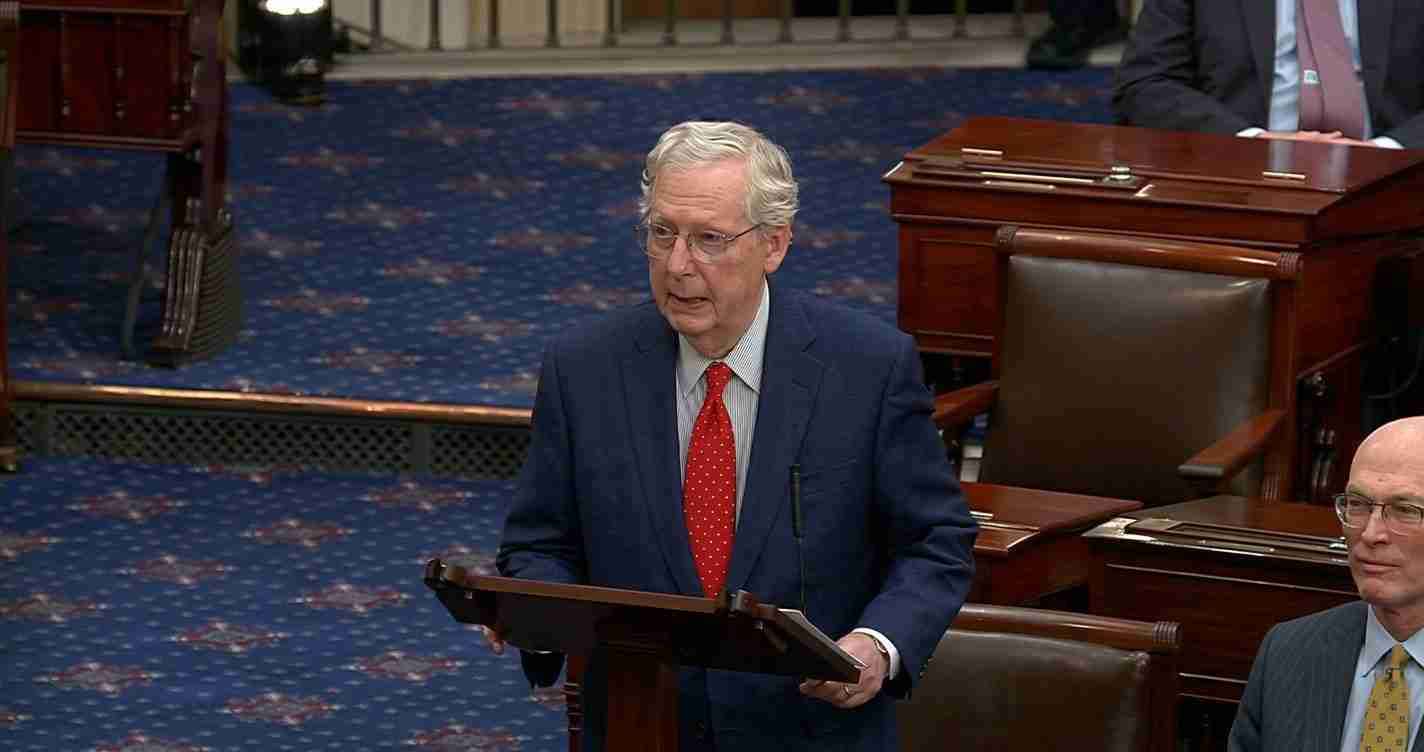
Top lawmakers have rejected the audit demand, saying it intrudes on the state constitution’s separation-of-powers protections. House and Senate leaders point to annual external audits the Legislature commissions and argue DiZoglio’s effort would allow the executive branch to probe legislative records in ways the framers did not intend (Commonwealth Beacon).
The Attorney General’s office, led by AG Andrea Campbell, declined repeated requests from DiZoglio to bring the case on behalf of the state, citing concerns about the audit’s scope and constitutional privileges around legislative records; DiZoglio’s complaint accuses the AG of effectively obstructing enforcement of the voter-approved law (recorder, Fox News).
Related developments and outside suits
The dispute has prompted additional filings and political attention. A separate suit filed Feb. 9, 2026, by Republican U.S. Senate candidate John Deaton alleges unlawful use of public funds to resist the audit and seeks to pressure the state on federal grants; reporting on related filings is available from WGBH and recorder.
DiZoglio and legislative leaders met briefly on Feb. 11 amid budget negotiations that affect funding for the auditor’s office, but no resolution was reached; the standoff has become part of wider discussions about auditor funding and oversight (Commonwealth Beacon).
State audit transparency and public records context
Massachusetts is notable for exempting the Legislature, the governor’s office and the courts from parts of the public records law. Transparency advocates say Question 1 corrects that imbalance by empowering independent inspections of legislative books and records. Courts have been cautious in similar matters, and a 2023 Attorney General opinion has been cited in past denials of audit requests (WBUR).
Media and political reaction
DiZoglio has discussed the suit on national television and in interviews, reiterating the need for access to contracts and other records paid for by taxpayers. She says the fight draws support from a broad ideological spectrum of voters. Critics warn a ruling for the auditor could reshape the balance of power among branches of government (Boston25, Fox News).
Implications for Las Vegas, Nevada
Economic impact: Though centered in Massachusetts, the dispute could ripple nationwide — federal and private grant makers watch state audit practices closely. If Massachusetts faces federal scrutiny, states that rely on similar grants, including Nevada, could see increased oversight expectations (recorder).
Political consequences: Urban moderate voters in Las Vegas value efficient, accountable government. A high-profile fight over audit transparency may sharpen local debate about legislative openness and pressure Nevada lawmakers to clarify their own transparency rules (Fox News).
Social effects: Allegations of $12 million in fraud can erode public trust in safety-net programs. Las Vegas residents who rely on assistance may demand stronger safeguards and clearer reporting from Nevada agencies (Fox News).
Practical applications: Nevada officials, auditors, journalists and watchdogs should watch the Massachusetts court ruling for legal reasoning on separation of powers and voter-approved audit authority; the outcome could be cited in future Nevada ballot efforts or legal defenses (WBUR, recorder).
Reporting and next steps
The case is docketed before the Massachusetts Supreme Judicial Court as a separation-of-powers matter. As of Feb. 12, 2026, there has been no ruling. DiZoglio asks the court to compel document production and to approve her appointment of outside counsel if the Attorney General’s office continues to decline (recorder).
The outcome could reshape audit transparency in Massachusetts and influence similar debates in other states; the dispute has already generated related filings and political attention across media outlets (WGBH, Commonwealth Beacon).