
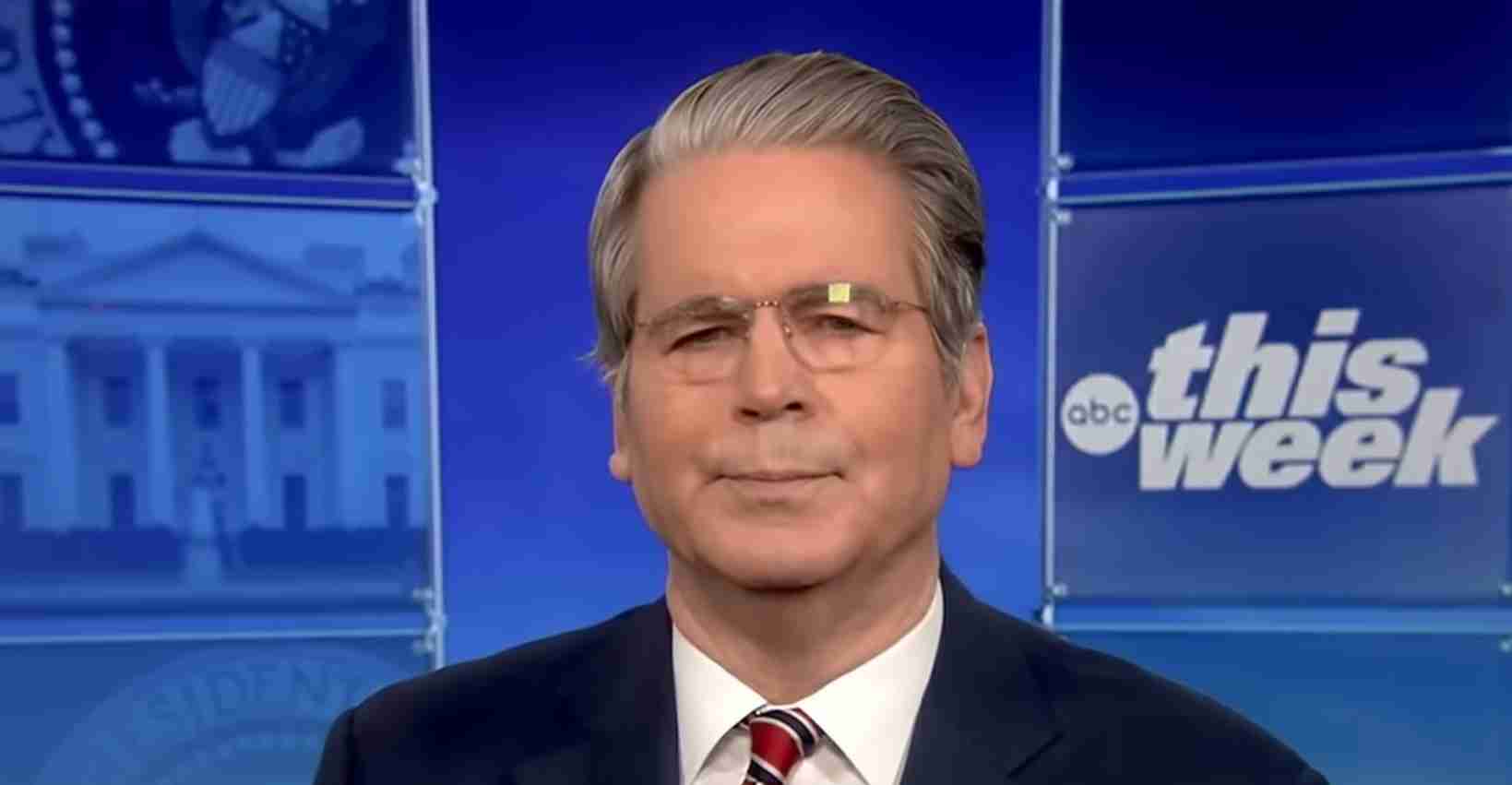
Bessent Confronts Stephanopoulos on 1995 ‘Terrorists’ Remark, Revives Debate Over Government Shutdown Rhetoric
Treasury Secretary Scott Bessent confronted ABC host George Stephanopoulos on This Week, accusing him of labeling Republicans “terrorists” during the 1995–96 shutdowns; the heated exchange revived debate about shutdown rhetoric and its contemporary political impact.
Key takeaways
- Bessent challenged Stephanopoulos on ABC’s This Week, citing a 2000 PBS Frontline interview and Stephanopoulos’s memoir to claim he once described Republican tactics as “terrorists.” Fox News coverage
- Stephanopoulos pushed back, calling the line of questioning “a mischaracterization of history” and urging a return to immediate policy topics. The Daily Beast
- The on-air exchange grew heated with interruptions and competing quotes, reopening debate about how historic messaging shapes present shutdown disputes. Daily Signal
- Local stakes in Las Vegas include economic and social impacts of a shutdown on tourism, federal services, and small businesses.
The exchange on This Week
During Sunday’s program, a discussion about the current government shutdown devolved into a tense confrontation. When George Stephanopoulos asked about changing or abolishing the Senate filibuster to end the standoff, Bessent redirected to the 1990s: “You were involved in a lot of these in the ‘90s, and you basically called the Republicans terrorists… and you said it is not the responsible party that keeps the government closed,” Bessent said, urging five moderate Democrats to cross the aisle to reopen the government. Fox News
Stephanopoulos pushed back, calling it “a mischaracterization of history” and attempting to steer the conversation back to policy. Bessent interrupted, insisting he had Stephanopoulos’s own quotes and passages on hand: “No, no, no. George, George, George. If you want, I’ve got all your quotes here. I got all your quotes here, George.” The exchange became heated with both men speaking over one another. The Daily Beast
Origin of the ‘terrorists’ claim
Bessent’s attack referenced Stephanopoulos’s service in the Clinton White House during the 1995–96 shutdowns and later comments describing the administration’s communications strategy. A 2000 PBS Frontline segment and Stephanopoulos’s memoir, All Too Human: A Political Education, include a passage attributed to him describing efforts to portray Republican tactics as extreme: “We were trying to say that they were basically terrorists, and it worked.” Outlets citing that line have used it in contemporary reporting. NewsBusters and Fox News documented Bessent’s references.
On air, Bessent quipped that he had read Stephanopoulos’s book — “I read your book, so you got one purchase on Amazon this week.” — underscoring that public records of past messaging remain available and can be invoked in live political debate. Daily Signal
Why the 1995–96 shutdowns still matter
The 1995–96 shutdowns were landmark clashes between President Bill Clinton and the Republican-controlled House under Speaker Newt Gingrich over budgets, spending priorities and political strategy. The episodes are often cited as turning points in modern political warfare, where deliberate framing and media strategy shaped public opinion during high-stakes negotiations. Stephanopoulos’s later reflections are part of that public record and are now used by actors on both sides to make points about current shutdown conflicts. Fox News
Media reaction and tone of coverage
Coverage spanned the political spectrum. Conservative outlets amplified Bessent’s attack and highlighted Stephanopoulos’s past wording as evidence of messaging choices. Centrist and left-leaning outlets focused on the on-air heat and the difficulty of returning to policy from a charged historical debate. The incident provoked commentary about journalistic ethics and whether former political advisers turned journalists should be repeatedly held accountable for earlier partisan roles. Examples include reporting by Fox News, The Daily Beast, and NewsBusters.
Bessent’s strategy and the current shutdown debate
Bessent used the historical quote to argue that partisan labeling is a longstanding tool in shutdown politics and to press a procedural remedy: urging “five brave, moderate Democratic senators” to cross the aisle and reopen the government. His approach combined a political appeal with an attempt to challenge the credibility of a prominent journalist who previously served as a political strategist. The confrontation illustrates how historical language can be redeployed as tactical leverage in contemporary negotiations. Fox News
Implications for Las Vegas, Nevada
Economic impact: A prolonged federal shutdown affects Las Vegas’s tourism-dependent economy through reduced federal services, TSA staffing, slowed federal contract payments, delayed SBA loans, and constrained consumer confidence — all critical to hotels, casinos and service workers. Bessent argued that a handful of senators could end a shutdown, linking his appeal to immediate stakes for Nevada. Bessent remarks
Political consequences: The televised spat spotlights how national media figures and federal officials shape the narrative around shutdown responsibility. In politically competitive Nevada, practical economic concerns often drive voter responses, and local leaders may face pressure to defend jobs and services.
Social effects: Airport security, hospitality staff, and small businesses tied to federal activity can feel immediate impacts from a shutdown. Heightened partisan messaging can erode consumer confidence and tourist planning, affecting shift schedules and household budgets.
Cultural relevance & practical applications: Las Vegas voters tend to be pragmatic; political theatrics without economic relief can alienate moderates. Business owners and residents should track congressional developments and statements from officials like Bessent and local representatives, as short-term shutdowns can delay pay, permits and loans. Local chambers often prepare contingency plans in response.
Source links for reference
- Fox News coverage of the exchange
- NewsBusters recap
- Daily Signal report
- The Daily Beast coverage
- AOL summary and video links
- Fox News video of the segment
Why this matters: Historical messaging choices can be repurposed as political tools in live debates — and when federal funding is at stake, the rhetorical fight can have direct economic consequences for communities like Las Vegas.



