Alaskan climbing star Balin Miller dies after fall from Yosemite’s El Capitan in third summer climbing fatality
Balin Miller, a 23-year-old climber from Anchorage, Alaska, died after falling from Yosemite National Park’s El Capitan while rope-soloing a 2,400-foot route. His death is the third climbing fatality in Yosemite this summer, officials said.
- Victim: Balin Miller, 23, from Anchorage, Alaska.
- Location & incident: Fall from El Capitan, Yosemite National Park while rope-soloing; early reports suggest he may have rappelled off the end of his rope.
- Context: Occurred on the first day of a federal government shutdown, with an ongoing investigation by the National Park Service.
- Community impact: Widespread tributes online and renewed safety conversation in the climbing world and regional outdoor communities.
The climb and the accident
What happened: Family members and news reports say Miller was attempting a roughly 2,400-foot route on El Capitan while rope soloing — a method where a climber manages a self-belay system and climbs alone. His brother, Dylan, said Miller was alone on the wall when the fall occurred; a video interview with family and reporters captures that account.
Early evidence reported by outlets suggests Miller may have rappelled off the end of his rope, a known and deadly mistake in big-wall climbing that can occur from misjudging rope length or omitting a stopper knot — a common causal factor in such fatalities (Los Angeles Times).
“He had been alone on the wall when the fall happened,”
— Family interview, shared with reporters
Response during a federal shutdown
The incident occurred on the first day of a federal government shutdown, which temporarily limited some National Park Service operations and closed visitor centers. Despite reduced services, park rangers and emergency personnel responded to the scene and confirmed Miller had died; officials said rescue efforts were launched as quickly as possible under the circumstances (CBS Sacramento).
Who was Balin Miller
Balin Miller, 23, grew up climbing and built a significant online following through livestreams and social posts. His mother, Jeanine Girard-Moorman, confirmed his death and said climbing was his lifelong passion rather than a pursuit for fame or money. Fans took note of his bright orange tent at belay ledges, and many referred to him as the “orange tent guy” after a two-day TikTok livestream of the ascent.
Members of the climbing community posted tributes, sharing memories of his skill, energy and willingness to push into difficult, technical climbs. Videos and social posts circulated in the hours after the accident, reflecting widespread grief and conversation about big-wall safety (ABC30).
El Capitan, big-wall risk and rope-soloing hazards
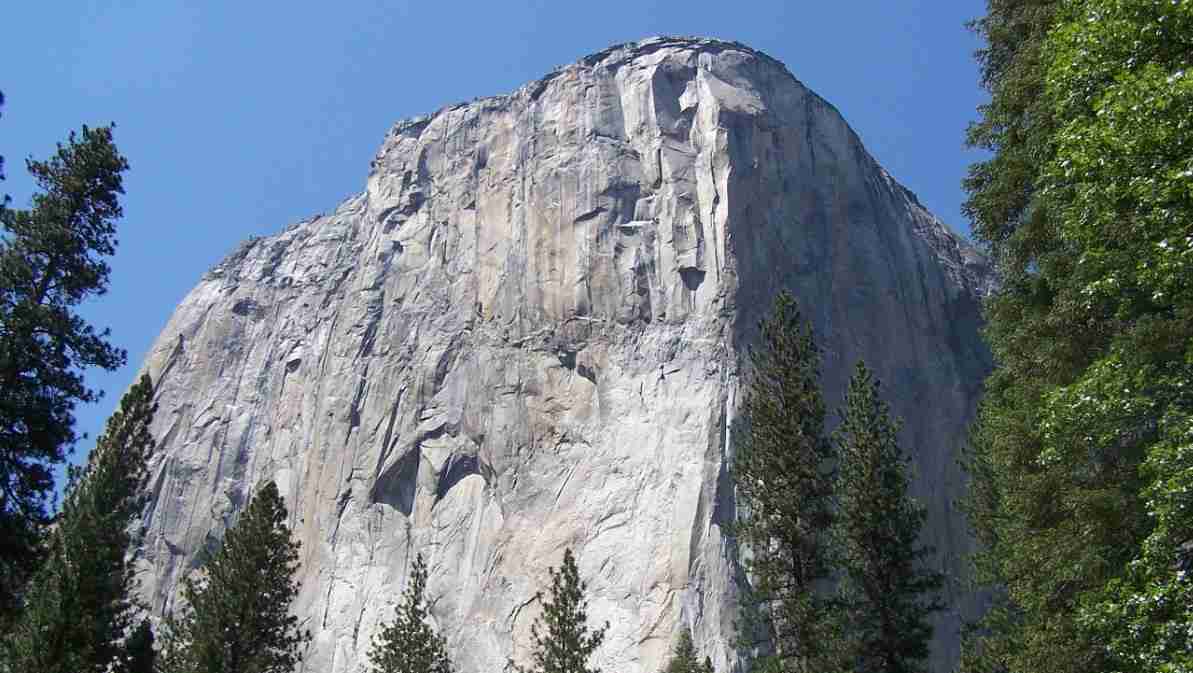
El Capitan’s sheer granite face rises roughly 3,000 feet and attracts elite climbers attempting multi-day technical routes. Big-wall climbing demands precise rope management, secure anchors and careful rappel planning. Rope soloing requires self-belay systems that are unforgiving of mistakes; rappelling past the end of a rope — whether from miscalculation or missing a stopper knot — remains a common and fatal error in big-wall incidents (Los Angeles Times).
Yosemite climbing fatality trends
Miller’s death is reported as the third climbing fatality in Yosemite this summer, prompting renewed examination of safety on the park’s big walls. Park leaders, safety instructors and the climbing community often analyze such incidents to identify equipment issues, procedural failures, environmental factors and human error.
Investigation and unanswered questions
The National Park Service said an investigation is ongoing and has not released full details about what led to the fall. Investigators will examine physical evidence, rope analysis, witness accounts and digital records including livestreams and device data to build a clearer picture. Officials will also assess whether the shutdown affected response or oversight in any material way.
Climbing community reaction and safety conversations
Online reaction was immediate and heartfelt. Followers who watched Miller’s livestreams said they felt connected to him through his narration during the two-day broadcast. The accident has prompted calls for renewed emphasis on training for solo techniques, clearer public information about big-wall risks, and wider use of technology for tracking and support on extended routes. Some stress respect for experienced climbers’ choices while also urging community dialogue about risk reduction and redundancy.
Implications for Las Vegas, Nevada
Regional impact: Though nearly 300 miles from Yosemite, Miller’s death resonates in Las Vegas for several reasons:
- Economic ties: Outdoor retailers, guides and gyms in Nevada may see shifts in customer behavior — increased interest in safety courses or postponed big-wall plans.
- Training demand: Local climbers often train indoors before big-wall trips; gyms and organizations may expand advanced rope-management and self-rescue classes.
- Search-and-rescue cooperation: Questions about response during a federal shutdown underscore the need for interagency protocols and contingency planning.
- Youth outreach: Miller’s online presence may prompt youth programs to reinforce mentorship, training and responsible risk-taking.
Authorities continue to encourage climbers to check official park guidance and prioritize redundant safety measures on big walls (CBS Sacramento; Los Angeles Times).
Sources and reporting
This report draws on on-the-ground reporting and official statements as reported by Times Media Service partners and local outlets. Primary reporting includes CBS Sacramento, ABC30, the Los Angeles Times, and a video interview with family and reporters. The National Park Service has confirmed an active investigation but has not released final findings (CBS Sacramento).
Reporting team: Times Media Service with reporting from CBS Sacramento, ABC30 and the Los Angeles Times.