FAA to lift emergency flight restrictions Monday as controller staffing rebounds; Transportation secretary credits Trump’s messaging
The FAA will lift emergency flight restrictions at 6 a.m. EST on Nov. 17, 2025, enabling airlines at 40 major U.S. airports to resume regular schedules after controller shortages during a prolonged government shutdown disrupted service.
- Order lifted: The FAA will rescind its Emergency Order effective 6 a.m. EST on Nov. 17, allowing regular schedules at 40 major airports (KUTV, WNSB, Economic Times).
- Staffing rebound: Controller returns after the 43-day shutdown end and financial assurances drove rapid staffing recovery (FAA, U.S. DOT).
- Political credit: Transportation Secretary Sean Duffy credited President Trump’s direct messaging for encouraging a faster return of controllers (U.S. DOT briefing, YouTube, KSL).
- Traveler impact: More than 2,900 cancellations occurred at the restrictions’ peak; airlines and passengers should expect some backlog and short-term disruption ahead of Thanksgiving (KUTV, Economic Times).
What the FAA order did and why
On Nov. 7, 2025, the FAA issued an Emergency Order requiring phased reductions in commercial flight operations to preserve safety and efficiency amid rising air traffic controller absences during a prolonged government shutdown. Cuts began at about 4% of scheduled flights, with plans to increase if necessary; the FAA monitored staffing and safety trends to guide each phase.
Impact on travelers and airlines
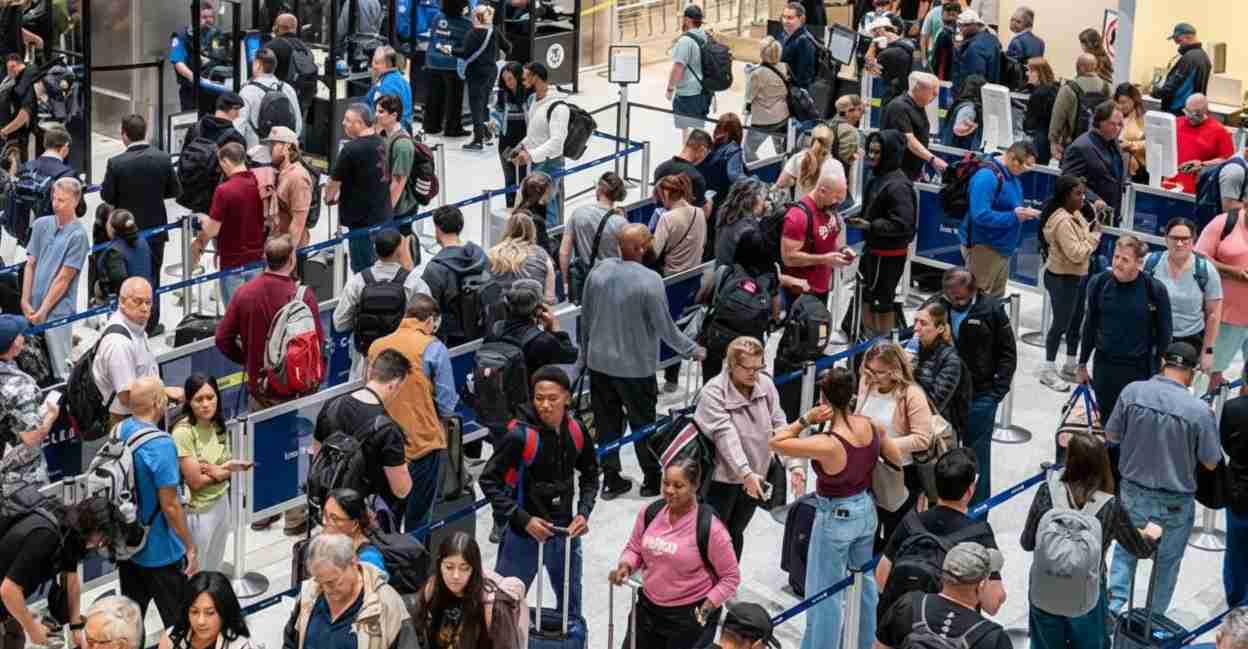
At the height of the restrictions, airlines reported acute disruption — more than 2,900 cancellations in a single day — particularly affecting hubs in New York, Chicago, Los Angeles and Atlanta. Carriers adjusted schedules, rebooked passengers and advised travelers to expect busy service desks. Restoring regular schedules aims to reduce the backlog ahead of late-November travel.
(See reporting from KUTV and the Economic Times.)
How staffing rebounded
After the 43-day shutdown ended on Nov. 12, the FAA and DOT reported a sharp uptick in controllers returning to duty. Officials cited guaranteed back pay and the administration’s messaging as key drivers that reduced staffing-trigger events and enabled the FAA to roll back reductions. Continued monitoring will determine whether staffing gains persist.
(Sources: FAA, U.S. DOT briefing.)
Political messaging and credit for the rebound
Transportation Secretary Sean Duffy publicly credited President Trump’s direct messages for accelerating the return of air traffic controllers. DOT officials said expedited commitments to make federal workers whole, combined with clear signals from the White House, convinced many controllers to return quickly.
Video shows President Trump demanding that controllers “get back to work, NOW,” a message DOT officials said helped restore confidence in the system.
Coverage and statements are available via the U.S. DOT briefing, YouTube footage and local reporting by KSL. Critics caution that political pressure carries risks, while supporters point to the urgency the messaging provided.
FAA monitoring and compliance review
Even as the emergency order is lifted, the FAA will continue close monitoring of staffing levels and system performance. The agency noted reports that some carriers may not have fully complied with operational limits during the order and said it is reviewing potential enforcement actions. Safety remains the primary criterion for any future restrictions.
(See the FAA’s cancellation document: Emergency Order/Cancellation; reporting: KUTV.)
Timeline recap
- Nov. 7, 2025: FAA issues the Emergency Order to reduce flights in phases.
- Nov. 8–11, 2025: Staffing-trigger events and cancellations spike as absences rise (KUTV).
- Nov. 12, 2025: Government reopens after a 43-day shutdown; FAA begins rolling back reductions (U.S. DOT, FAA).
- Nov. 17, 2025, 6:00 a.m. EST: FAA lifts all emergency restrictions; airlines at 40 major airports may resume regular schedules (KUTV, WNSB, Economic Times).
Industry reaction and holiday travel outlook
Airlines and analysts expressed cautious optimism that operations will normalize, but warned that the backlog of passengers and repositioning of aircraft could cause disruptions for several days. Carriers urged travelers to check flight status and expect busy call centers as rebookings are processed.
(Reporting: KUTV, Economic Times.)
Investigative note: staffing questions remain
Aviation experts and labor advocates emphasize the need to examine long-term staffing resilience and structural fixes to prevent future shortages. The emergency order highlighted system sensitivity to staffing gaps; investigators will watch FAA and DOT reports to see whether returns are sustained beyond short-term pay assurances and political pressure.
Implications for Las Vegas, Nevada
Economic impact
Restoring regular schedules at Harry Reid International Airport (LAS) helps casinos, hotels and convention venues finalize bookings and staffing ahead of the holidays, potentially recovering lost revenue from canceled trips and easing pressure on ground transportation and hospitality services.
Political consequences
Local leaders and urban moderate voters in Las Vegas may weigh the practical benefits of restored travel against concerns about federal handling of the shutdown and worker relations when assessing leadership performance.
Social effects
Many visitors faced canceled family reunions, shows and conventions. Restored schedules reduce uncertainty, but travelers should expect some delays as airlines clear the backlog. Community services tied to visitors — rideshares, event staff — may see short-term demand shifts.
Cultural relevance
Las Vegas’s entertainment and convention economy depends on predictable air service. Operators will monitor flight restorations closely while finalizing holiday and winter season events.
Practical applications for residents
Travelers to or from Las Vegas should check airline websites and the airport status page before heading to the airport, allow extra time for connections and expect busy customer-service channels as carriers process rebookings (KUTV, Economic Times).
Reporting notes and sources
This article draws on FAA documents, Department of Transportation briefings, regional reporting and national coverage. Key source documents and coverage:
- FAA Emergency Order and cancellation notice
- U.S. Department of Transportation briefing
- KUTV coverage
- WNSB report
- Economic Times coverage
- YouTube coverage of presidential remarks
- KSL coverage
All original facts, information and source URLs have been preserved and cited above.