Trump signs stopgap funding bill, ending longest government shutdown after 43 days — Congress now faces Jan. 30 deadline to avoid another lapse
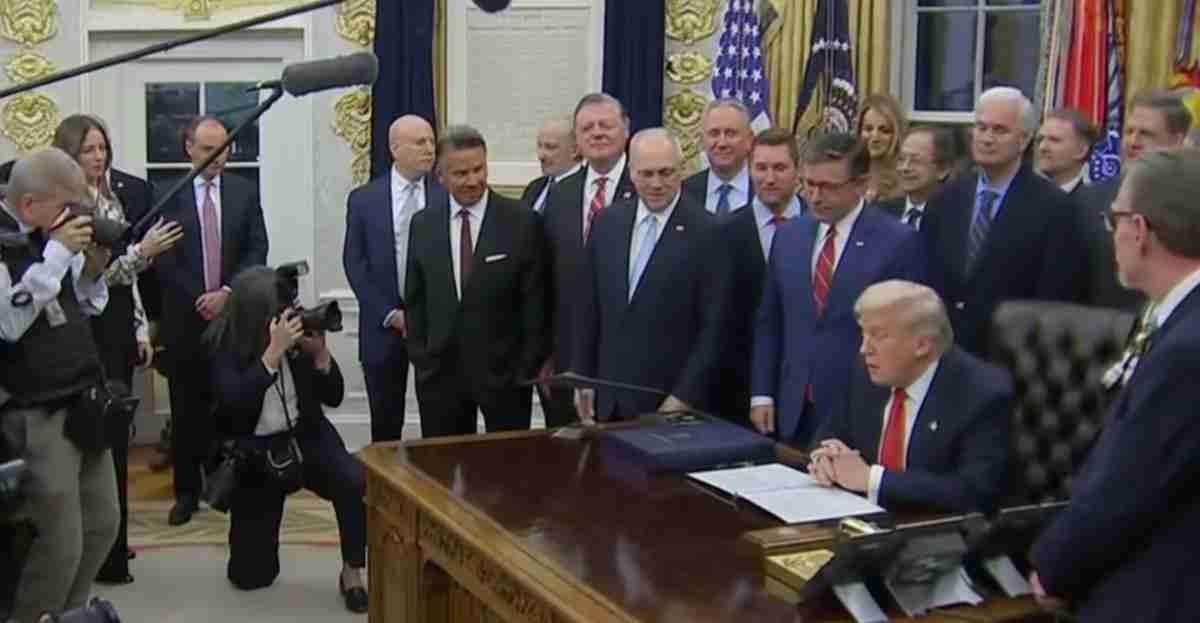
President Donald Trump signed a stopgap funding bill Wednesday night, ending the 43-day government shutdown and restoring operations while giving Congress until January 30, 2026, to negotiate a long-term spending package amid healthcare funding disputes.
- House vote: 222 Yeas, 209 Nays (Politico).
- Shutdown lasted: 43 days — the longest in U.S. history (Politico; signing video).
- Funding window: Stopgap through January 30, 2026 for many agencies; select items funded through September 30, 2026 (Agriculture, FDA, VA, military construction, legislative branch — signing video).
- Core dispute: Partisan fight over healthcare funding blocked a long-term deal.
What happened and why it mattered
For six weeks, large parts of the federal government operated with reduced staff or were closed. Millions of federal workers saw pay delayed or interrupted and some benefits and services slowed or stopped. The shutdown began after budget talks collapsed amid deeply divided views about federal spending levels and proposed changes to healthcare funding — a dispute that centered on Medicaid and other federal health programs. (Sources: Politico; signing video.)
How the stopgap works
The stopgap bill reopens federal agencies and clears the way for employees to return to work or receive back pay. The White House described the measure as a short-term fix to buy time for bipartisan negotiations on a long-term package. President Trump signed the measure after the House passed it 222–209. (Sources: Politico; signing video.)
What happens next — the immediate steps
Government operations resume
Federal agencies will restart paused programs, reopen offices and restore services that were curtailed during the shutdown. Agencies named in the bill — including the Department of Agriculture, FDA, and Department of Veterans Affairs — receive appropriations through September 30, 2026 for specific items; many other departments receive stopgap funding through January 30, 2026. (Source: signing video.)
Pay and back pay
Furloughed federal employees should receive pay for the shutdown period, and many who worked without pay will be paid retroactively. The timeline for checks will depend on agency payroll systems and Treasury processing. (Sources: Politico; signing video.)
Congress must act by Jan. 30, 2026
Lawmakers now have until January 30, 2026 to negotiate and pass long-term appropriations for agencies on temporary funding. If Congress fails, another government shutdown could begin when the stopgap expires. (Sources: Politico; signing video.)
Bipartisan negotiations ramp up
Leaders from both parties are expected to restart talks to resolve the healthcare funding dispute and other budget standoffs. Negotiators must reconcile competing demands on spending priorities, deficit concerns and policy changes while working on a tight timeline.
Close attention to healthcare funding
Because the shutdown centered on healthcare funding, Medicaid, Medicare-related payments and public health program funding will be key battlegrounds. Any policy riders attached to funding bills could reignite contention. (Sources: Politico; signing video.)
From the signing remarks: the White House emphasized goals such as lowering the cost of living, restoring public safety and supporting economic growth — themes the administration will press in the coming budget talks. (signing video.)
Investigative look: risks, deadlines and leverage
The stopgap buys time but not a solution. January 30, 2026 is a hard deadline and negotiators face several pressures:
- Political risk: Lawmakers who dug in during the shutdown risk backlash if they appear to yield, reducing bargaining flexibility.
- Policy riders: Attempts to attach policy changes — especially to healthcare funding — can complicate and prolong talks.
- Economic ripple effects: The shutdown strained local economies; persistent uncertainty could slow consumer confidence and small-business recovery.
- Short timeline: Holiday schedules and competing priorities compress the window for bipartisan compromise.
Sources and reporting
This article draws on reporting from Politico and public remarks during the White House signing event. Video of the president’s remarks and signing is available at the signing video.
Implications for Las Vegas, Nevada
Economic impact
Hospitality and tourism: Las Vegas’s economy depends on steady consumer spending. Many casino and hotel workers rely indirectly on federal pay and contracting; the shutdown reduced disposable income and visitor spending. With federal pay restored, some local businesses may see a rebound. (Sources: Politico.)
Federal contracting and construction: Military construction and some infrastructure projects are covered through September 30, 2026, which could keep federal contracts flowing to Nevada firms and support construction jobs. (Source: signing video.)
Uncertainty for small business recovery: The stopgap ends the immediate shock but does not eliminate the planning challenges local businesses face if another shutdown looms in January.
Political consequences
Nevada officials and members of Congress will monitor the Jan. 30 deadline and press for protections on federal land management, veterans’ services and healthcare funding. Positions taken in upcoming negotiations may shape local political debates and voter opinions.
Social effects
Veterans and healthcare: The stopgap includes appropriations for parts of the Department of Veterans Affairs through September 30, 2026, stabilizing some services in the near term. Ongoing Medicaid debates could still affect local programs and community health resources. (Source: signing video.)
Food assistance and safety net programs: USDA funding restored for certain items may help resume child nutrition and food assistance programs that support vulnerable families in Clark County and beyond.
Cultural relevance and community morale
The reopening of federal services should improve daily life for residents who rely on passport processing, social services and regulatory functions. For a city built on workforce and visitor services, predictability matters and the end of the shutdown should bring relief to many households.
Practical applications for residents
- Federal workers should contact HR for specifics on back pay timelines and return-to-work guidance.
- Veterans should check with local VA clinics and the VA regional office for appointment and benefits updates.
- Small businesses that relied on federal contracts or tourist spending can consult local chambers and economic development groups for cash-flow resources.
- Residents seeking assistance should reach out to local social service agencies if benefits were disrupted.
Reporting and next steps for readers
Local leaders, federal employees and community groups in Las Vegas will watch the January 30, 2026 deadline closely. Negotiations in Washington will determine whether this stopgap is a bridge to a stable budget or a prelude to another shutdown that could again affect life and business in Nevada. (Sources: Politico; signing video.)