
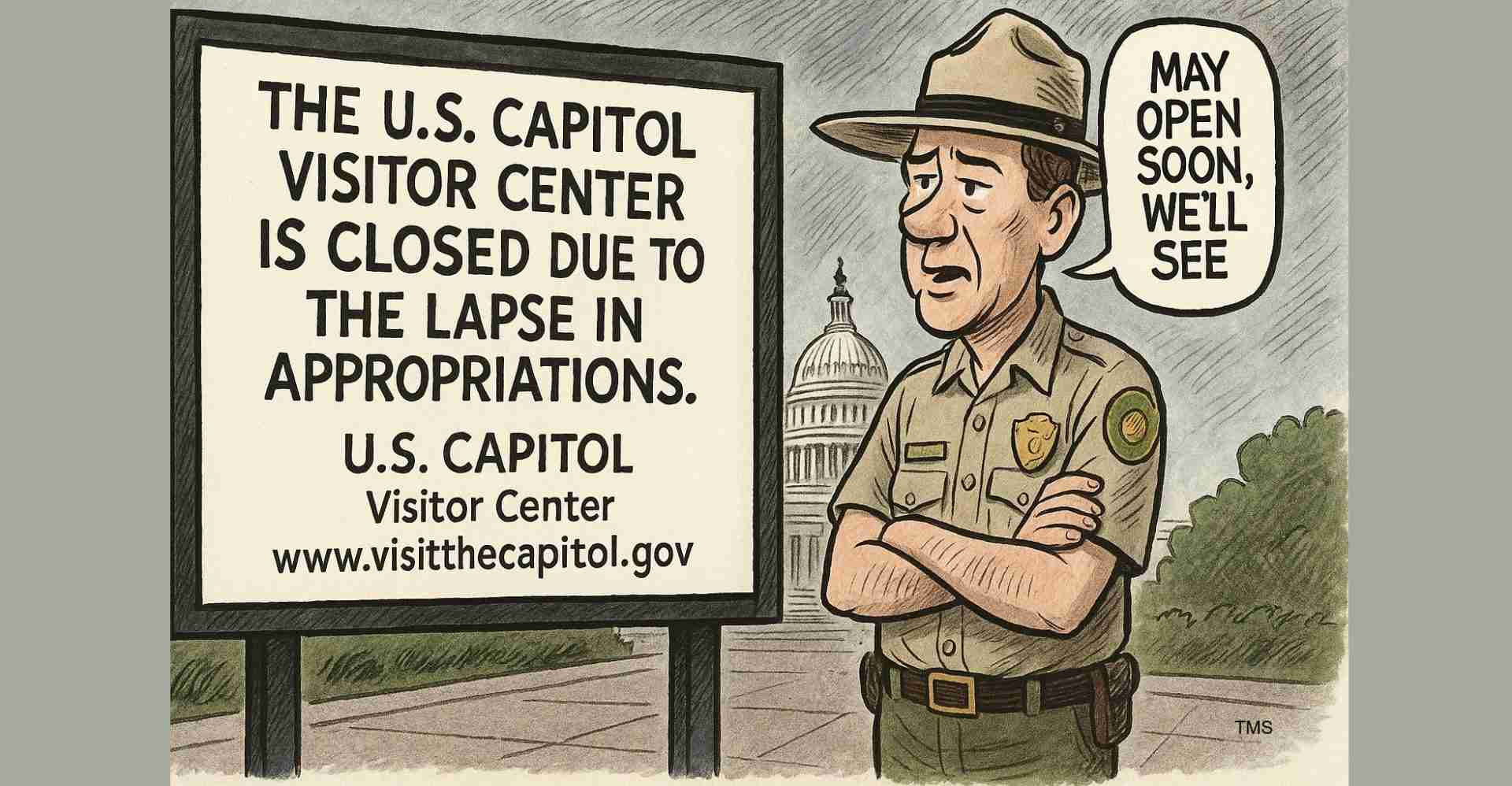
Lawmakers budge, ushering in government shutdown’s potential “end of the beginning” as talks resume in Government Shutdown 2025
Bipartisan negotiators have begun quiet, tentative talks to end the longest federal shutdown in U.S. history, moving beyond blame toward trade-offs over Affordable Care Act subsidies, pay restoration and program funding as furloughs and service cuts deepen nationwide.
- Shutdown start date: October 1, 2025 — official timeline and context.
- Main dispute: ACA subsidy funding and broader health care spending — the central negotiating issue.
- People affected: About 900,000 furloughed and roughly 2 million working without pay — nearly 3 million directly impacted.
- Current status: Bipartisan talks show movement toward a deal — the first meaningful thaw since October.
A shift from stalemate to talks
After weeks of standstill, lawmakers on both sides of the aisle are quietly testing compromise options that would end the federal government shutdown. For months, the House and Senate were gridlocked after failing to reach agreement on continuing resolutions for fiscal 2026. Much of the fight centered on whether and how to extend Affordable Care Act subsidies — a deciding issue that left negotiators deadlocked as agencies began to suspend or curtail services.
The earliest signs of change came from bipartisan senators and some moderate House members who began signalling concern about the human cost of continued inaction. Sources say closed-door discussions have increased, and leaders who earlier defended deep spending cuts are now emphasizing the need to restore pay and programs for Americans. Officials and aides describe the movement as cautious but meaningful — a shift from political posturing to problem solving. See related reporting from ABC News.
Why this moment matters: “end of the beginning”
Analysts describe the current thaw as the “end of the beginning.” That phrase captures the idea that recognition of harm and the first tentative bargains are underway, but the hardest choices remain. Negotiators have moved past the long period of blame and are starting the hard work of trade-offs: how much to protect ACA subsidy funding, which programs to restore first, and what offsets or policy changes each side will accept. Movement does not equal immediate resolution, but it is a necessary step.
“The first tentative bargains are underway; the hardest choices remain,” analysts say — a prudent reminder that thawing talks still face serious policy trade-offs.
How the shutdown is affecting services and people
The shutdown’s damage has been broad and uneven. While core safety and defense missions continue, many federal agencies have cut back or paused operations. Research and public health programs, including parts of the NIH and CDC, have scaled back. Food assistance programs and community services face uncertainty. Roughly 900,000 workers have been furloughed and an estimated 2 million more are working without pay, adding up to nearly 3 million people directly affected by lost or delayed wages.
The ripple effects extend to benefits such as SNAP and federally subsidized heating assistance. If SNAP funding lapses, many low-income families will see benefits stop or shrink, heightening food insecurity as winter approaches. Travel and public services have been disrupted too, from delayed passport processing to local agencies stretched thin.
Political pressure and timing
Both political and electoral pressures are reshaping the environment. With state and local elections underway, some lawmakers fear voter backlash. Moderates in both parties, especially in the Senate where the filibuster still shapes majorities, are pushing for solutions. Senate leaders face the twin tasks of satisfying their party’s base while avoiding broader economic harm. Legal and policy analysts note the post-election calendar could free lawmakers to make concessions that were politically costly earlier. See analysis and reporting from ABC News and briefing notes from Holland & Knight.
Legal briefs and guidance warn the depth of the problem: missing paychecks, unpaid leave, and growing hardship for federal workers could force more rapid action if conditions worsen. Agencies will struggle to recover quickly even after a deal is reached because operations, contracts and research have been interrupted (shutdown briefing).
Negotiation paths and sticking points
Three broad paths have emerged in recent talks:
- Targeted continuing resolution: restores funding for critical programs, possibly including ACA subsidies, while leaving other areas unresolved.
- Broader bipartisan deal: mixes temporary funding and policy changes to secure more durable appropriations.
- Phased approach: revives pay and key benefits first, with a later agreement to finish appropriations.
Each path faces political and procedural hurdles. House Republicans must balance demands from conservatives for spending cuts against moderates worried about political fallout. In the Senate, filibuster rules mean many measures need 60 votes, so any lasting solution requires cross-party support (public timeline).
Immediate deadlines amplify urgency
Several near-term deadlines focus attention. Nonexempt federal employees have already gone more than a month without pay, and missed paychecks will deepen hardship as November progresses. SNAP and other assistance programs have funding that could run out, creating cliff edges that would affect millions. Each looming cutoff raises the political cost of delay and increases pressure on negotiators to act quickly once a compromise is reachable (legal briefing).
What negotiators are watching next
Observers say the next key moments are election results and internal leadership talks that follow. If voting shifts the political math, leaders may find it easier to make concessions. Lawmakers and staff also continue to test small, bipartisan fixes that could be combined into a larger package once trust and momentum grow. Experts caution that even with movement, implementation will take time and some benefits and operations may remain disrupted for weeks after a deal (ABC News).
Sources and reporting
This article draws on reporting and analysis from:
- ABC News: “Spiraling effects of shutdown leave lawmakers grasping for ways to end it”
- Brookings Institution explainer on shutdowns
- Holland & Knight: shutdown briefing
- Consolidated public timeline: 2025 United States federal government shutdown
Implications for Las Vegas, Nevada
Economic impact: Las Vegas depends on tourism, air travel and hospitality spending. Disruptions to federal services can ripple through the local economy — delayed travel documents and reduced airline staffing can affect visitor arrivals, and furloughed federal workers cut local consumer spending. SNAP and other food aid lapses would affect low-income residents and workers in service industries, increasing demand on food banks and charities already stretched in the valley.
Political consequences: Local leaders and Nevada’s congressional delegation face pressure from constituents feeling hardship from missed pay or reduced benefits. For an urban-moderate audience in Las Vegas, the shutdown sharpens scrutiny of both parties and could influence voter behavior in upcoming local and state contests. Elected officials who push for prompt relief may gain political capital with swing voters concerned about basic services.
Social effects: Many families in Las Vegas rely on federal programs or have household members employed by federal agencies, including veterans who use VA services. Delays in benefits or services risk raising housing and food insecurity in a region where the cost of living has risen sharply in recent years. Community groups and faith-based organizations may see larger demand for assistance.
Cultural relevance & practical steps: Las Vegas is a city of hospitality and service. The shutdown’s strain on workers and travelers touches everyday life — from hotel staffing shortages if employees reduce hours to fewer tourists if travel is disrupted. Residents should check benefit status and stay in contact with local offices about SNAP, veterans’ services, Social Security and passport processing. Workers affected by federal pay delays may qualify for local relief programs, and community organizations are updating lists of emergency food and utility assistance. Travelers should monitor airline and TSA updates before flights; those with urgent immigration or naturalization needs should consult local legal aid groups for guidance (ABC News reporting).
For Las Vegas, the stakes are immediate. Movement in Washington offers hope, but local officials and organizations are preparing for continued disruption until a durable deal is in hand.



