China deepens ties with Venezuela as Beijing offers Maduro a new lifeline, sparking debate over economic control
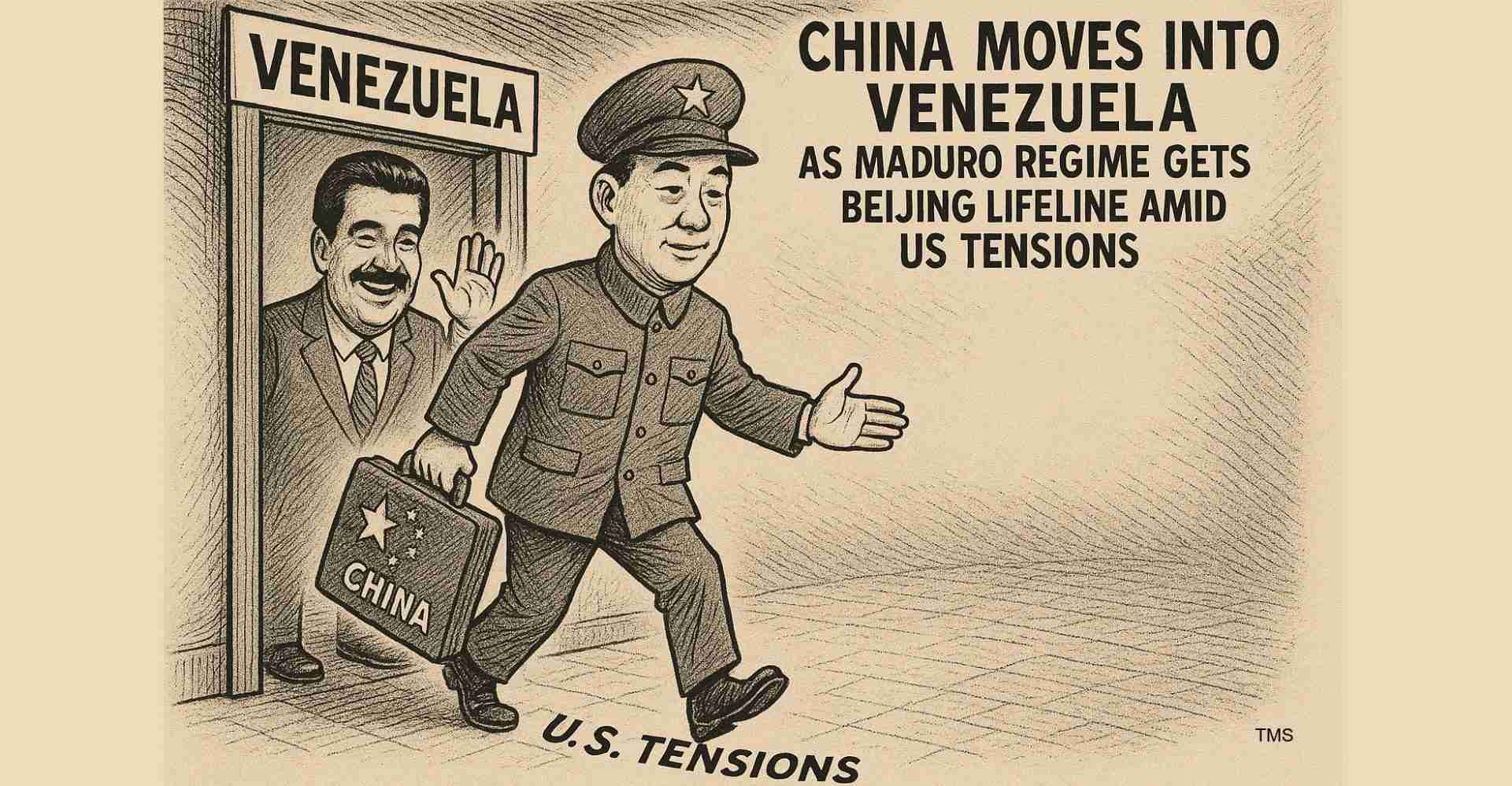
China is expanding influence in Venezuela through productive contracts and Special Economic Zones, offering Nicolás Maduro political backing and targeted investment that reduces sovereign credit exposure while signaling Beijing’s broader strategic push into Latin America against U.S. dominance.
- Shift to productive contracts and SEZs: Beijing prefers joint ventures and Special Economic Zones over large oil‑backed loans to limit sovereign risk.
- Political backing: China provides diplomatic cover and party-to-party exchanges that deepen strategic alignment beyond economics.
- Limited new oil exposure: State energy firms remain cautious, eyeing other regional markets like Guyana rather than large Venezuelan investments.
- Local effects: Indirect impacts could reach places like Las Vegas through fuel prices, supply chains and political debate.
Key information and documented sources
More than 600 bilateral agreements announced for 2025 cover science, technology, agriculture and investment promotion, pointing to deeper cooperation between the Maduro and Xi Jinping governments, according to El País, the China International Development Cooperation Agency (CIDCA) and the Ministry of Foreign Affairs of the PRC.
Policy shift: China has moved away from issuing large new credit lines and is favoring productive investments and Special Economic Zones to reduce sovereign risk (El País).
Oil sector caution: Despite Venezuela’s vast reserves, Chinese state energy firms have been cautious about fresh investment in Venezuelan oil fields; attention is moving toward neighboring Guyana (El País, Council on Foreign Relations).
Zero-tariff trade deal: A 2025 pact aims to boost trade while Venezuela remains under Western sanctions (Fox News).
Political exchanges: Party-to-party ideological and governance exchanges show a widening strategic alignment between the Chinese Communist Party and Venezuela’s United Socialist Party (El País, CIDCA).
What the new deals look like
China and Venezuela are reworking their relationship around investment projects that promise clearer returns and less sovereign exposure. Officials describe the approach as “productive contracts” — joint ventures and business projects that produce goods, services and exports rather than relying on loans repaid with oil. The result: more factories, agricultural projects and trade arrangements and fewer large cash lines that Beijing would have to write off if Caracas failed to pay. El País documents this evolution.
Special Economic Zones (SEZs) are a key vehicle: relaxed rules, tax incentives and access to local labor and resources aim to attract Chinese firms with reduced upfront capital and risk.
Shift from loans to productive partnerships
China was once a major lender to Caracas, with estimates of roughly $60 billion in oil‑backed loans over past decades. Those debt-for-oil arrangements led to disputes, delayed payments and write-downs. Chinese lenders now prefer deals tied to real economic output to protect against sovereign risk accumulated when repayments faltered (CFR, Global Policy Journal).
Oil sector: important but limited
Venezuela still sits on some of the world’s largest oil reserves, and Beijing retains ties to the oil sector. Yet Chinese energy firms are cautious about large new investments, given past disputes, payment delays and deteriorated infrastructure. That caution is partly why China’s interest also extends to other regional markets such as Guyana — a signal of a more careful stance unless terms are clear (El País, CFR).
Political and strategic dimensions
Beyond trade and investment, the relationship carries a clear political edge. Chinese officials frame the partnership as “all‑weather” and a defense of Venezuelan sovereignty. China has publicly opposed U.S. sanctions and repeatedly backed Maduro in international fora. Party-to-party exchanges, training and ideological alignment indicate coordination that goes beyond pure economics (CIDCA, Ministry of Foreign Affairs of the PRC).
On the zero-tariff pact and trade
At the 2025 Shanghai Expo, China and Venezuela announced a zero‑tariff trade agreement intended to stimulate bilateral commerce even as Venezuela faces international isolation. The pact aims to make Venezuelan goods more competitive in China and ease the movement of some Chinese products into Venezuela, reinforcing the economic partnership (Fox News).
Expert views: is China taking over?
Some commentators, for example Gordon Chang, warn China could “completely take over the Venezuelan economy.” That view is contested; most China–Latin America experts argue Beijing is expanding influence cautiously. Analysts highlight incremental investments, careful risk management and preference for deals delivering concrete returns rather than total economic control. China’s limited appetite for sovereign risk after past losses in Venezuela is a recurrent theme (El País, ThinkChina).
Implications for Las Vegas, Nevada
Economic impact
- Energy and oil prices: Changes in Venezuelan output and geopolitics can ripple into fuel and transportation costs. Las Vegas businesses that rely on trucking and air transport may face higher operating costs if crude supply or prices shift.
- Trade and supply chains: If China uses Venezuela as a production hub through SEZs, global goods flows could shift. Las Vegas retailers and wholesalers might see changes in product availability or pricing, though direct trade links with Venezuela are limited.
Political and diplomatic effects
- Local policymakers and business leaders will monitor U.S.-China-Venezuela tensions; Las Vegas’s tourism and convention sector depends on stable international ties.
- City officials and advocacy groups could face pressure to respond if federal policy shifts, prompting town halls and local debate.
Social, cultural and practical effects
- Local Venezuelan and Latino communities may mobilize advocacy, humanitarian campaigns or solidarity events.
- Universities and think tanks in Nevada may see increased research interest and public forums on these developments.
- Small business owners should monitor fuel and shipping costs; workforce training and job opportunities might shift indirectly.
Sources and documentation
Primary reporting and government briefings document the hundreds of agreements and Beijing’s framing of cooperation, while think tanks provide context on lending history and strategy.
- El País
- China International Development Cooperation Agency (CIDCA)
- Ministry of Foreign Affairs of the PRC
- Council on Foreign Relations backgrounder
- Global Policy Journal commentary
- Fox News coverage
- ThinkChina analysis
Bottom line: Beijing’s approach is pragmatic — large-scale loans are largely out; targeted investment, SEZs and political backing are in. The strategy gives Maduro a lifeline and expands Chinese influence, but experts emphasize limits to a wholesale economic takeover. Las Vegas stakeholders should track indirect economic and political effects.