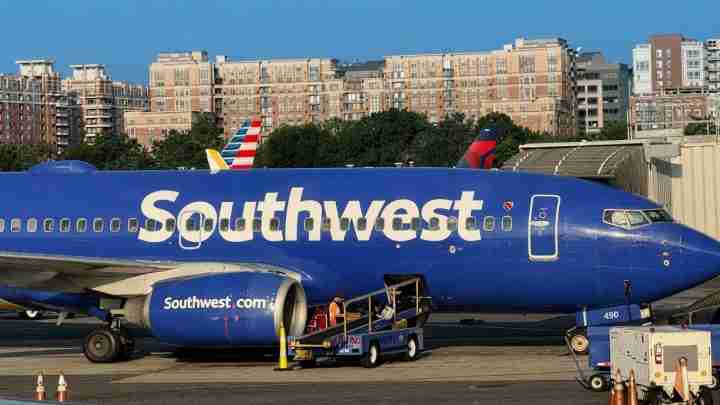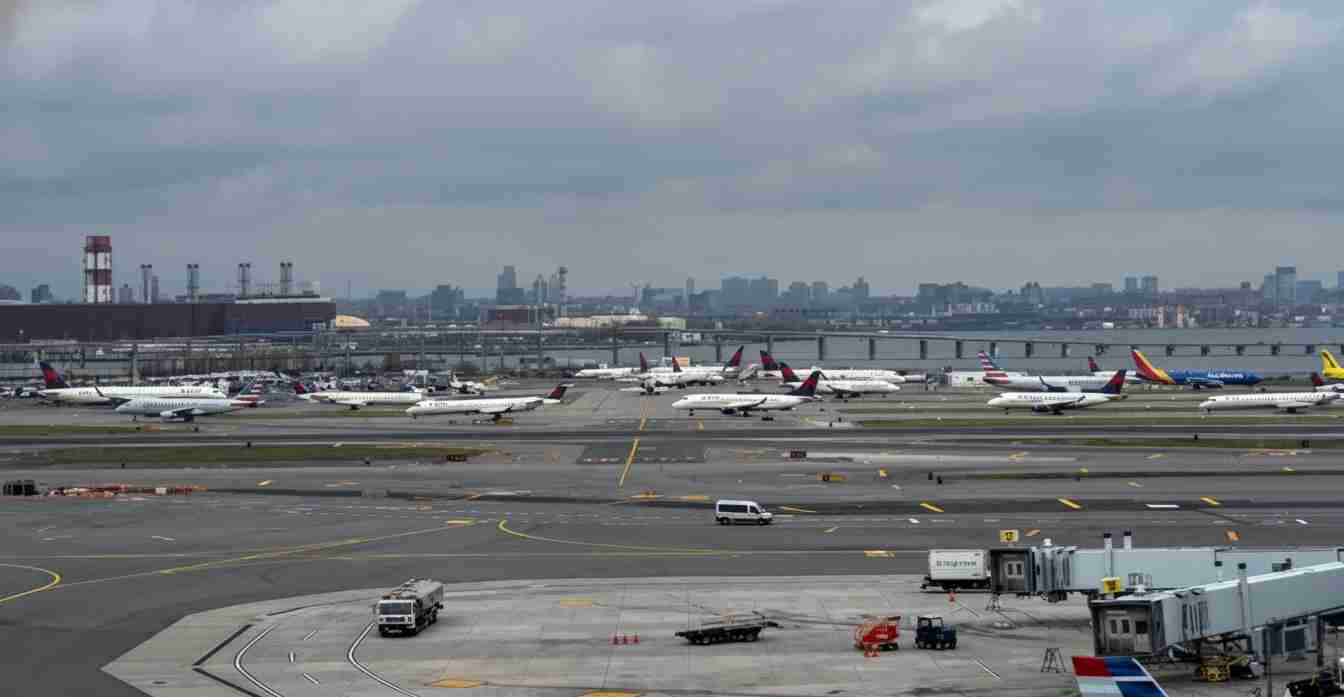
FAA flight reductions deepen travel headaches as Senate advances funding package; critics target DOT leader
FAA-mandated flight cuts at 40 major U.S. airports amid a government shutdown are causing widespread cancellations and delays, as senators advance a bipartisan funding package that could restore staffing and ease travel disruptions if enacted quickly.
Key takeaways
- FAA emergency order forces 6% schedule cuts Nov. 11–12 and a 10% reduction by Nov. 14 at 40 major airports to match diminished controller staffing.
- Airlines are trimming schedules and warning travelers of cancellations, rebooking and longer wait times; American Airlines confirmed immediate cuts.
- Senate action on a bipartisan funding package could restore FAA staffing, but recalls and retraining mean service may not rebound instantly.
- Local economies, notably Las Vegas, face near-term revenue and operational impacts while travelers should expect ongoing disruptions.
FAA orders and the scale of the cuts
The Federal Aviation Administration issued an emergency order on Nov. 6, 2025 directing carriers to scale back scheduled flights at 40 of the nation’s busiest airports to ensure safe operations while air traffic-control staffing is diminished. Under the order, airlines must implement a 6% cut for Nov. 11–12 and reach a 10% reduction by Nov. 14.
The FAA framed the action as a safety measure to match traffic levels to available controllers and technical staff. The directive applies across hub-and-spoke networks and could ripple into connecting flights and smaller regional airports. For the agency’s public notice, see the FAA Emergency Order.
How airlines are responding
Major carriers have begun trimming schedules and notifying affected customers. American Airlines statement confirmed implementation of the FAA-mandated reductions and warned additional cuts would follow if staffing does not return to normal.
Airlines are adjusting flights to reduce congestion in the airspace and on the ground, which means fewer seats available nationwide, higher cancellation risk, and more rebookings. Travelers are advised to check flight statuses frequently, arrive early, and prepare for possible missed connections.
Government shutdown air travel: Why this is happening
The ongoing government shutdown has led to furloughs and unpaid work for many federal employees, producing staffing shortfalls at the FAA — including air traffic controllers and support personnel. To maintain safety, the FAA chose to cap traffic at certain busy airports rather than operate at full capacity with fewer staff.
The agency’s emergency order acknowledges the risk of managing a complex national airspace system with reduced personnel. The trade-off is deliberate: fewer flights and short-term delays to avoid safety risks and controller burnout.
US airport delays and traveler experience
Passengers nationwide already feel the impact. Reduced services at major hubs create ripple effects for connecting routes, increasing wait times at gates, fuller customer-service lines, and higher loads on the remaining flights. Travelers with time-sensitive plans face greater uncertainty and should plan contingencies.
Practical tips:
- Check airline apps and airport websites for real-time updates.
- Allow extra time for travel and rebooking; many carriers are waiving change fees.
- Consider alternative dates, routes, or carriers if your schedule is flexible.
Senate action and the path to restoring service
Senators have advanced a bipartisan funding package intended to reopen government agencies and restore FAA staffing. If the bill becomes law, the FAA could recall staff and airlines could restore fuller schedules. Officials caution that recalls, checks and any retraining will take time before service fully rebounds.
Political fallout: Duffy blasts Buttigieg over air traffic remarks
Political tensions have escalated as travel disruptions mount. Former Rep. Sean Duffy publicly criticized Transportation Secretary Pete Buttigieg, accusing him of downplaying operational and safety implications tied to staffing shortfalls and the FAA’s flight reductions.
“Critics say the department hasn’t fully communicated the severity of staffing gaps,” — public remarks that intensified scrutiny of DOT leadership.
Supporters of the secretary have defended the FAA’s transparency and safety-first framing, underscoring a broader debate about federal communication and accountability during crises.
What travelers should expect in the coming days
With incremental FAA-mandated cuts reaching 10% by Nov. 14, travelers should anticipate continued cancellations and consolidations. Airlines and airports are increasing customer-service staffing, but the strain will persist until staffing is restored.
Key actions for travelers:
- Monitor airline alerts and airport information closely.
- Contact carriers about rebooking options and fee waivers.
- Prepare for longer queues and tighter connections, especially during peak travel periods.
Sources and documents
Primary documents and statements cited in this report:
- FAA Emergency Order, Nov. 6, 2025
- American Airlines statement on FAA directive
- Reporting and public comments from senators and administration officials current as of publication on the pending bipartisan funding package in the U.S. Senate.
Implications for Las Vegas, Nevada
Economic impact: Las Vegas — including McCarran International Airport (Harry Reid International) — depends heavily on steady air service to supply hotels, casinos, conventions, restaurants and entertainment venues. Reduced seat capacity could lower occupancy, shrink conventions and depress local revenue.
Political consequences: Nevada lawmakers will face pressure from constituents and business leaders to push for rapid passage of funding measures to end the shutdown and restore travel flows.
Social and cultural effects: Service workers and visitors alike may face costly disruptions. Flight cuts threaten Las Vegas’s image as a nonstop tourism hub and could dampen events if visitor numbers fall.
Practical advice for local residents and businesses: Confirm flights early, seek flexible hotel/convention policies, and plan for potential reductions in guest counts that could affect staffing and operations.
Ongoing monitoring
Local and national officials emphasize that a swift return to normal FAA staffing is the key to resolving disruptions. Until the Senate funding package becomes law and staff are recalled, travelers should prepare for schedule adjustments, increased wait times, and potential cancellations.
For the latest updates, follow the FAA’s public notices and airline alerts: see the FAA Emergency Order and the American Airlines update.