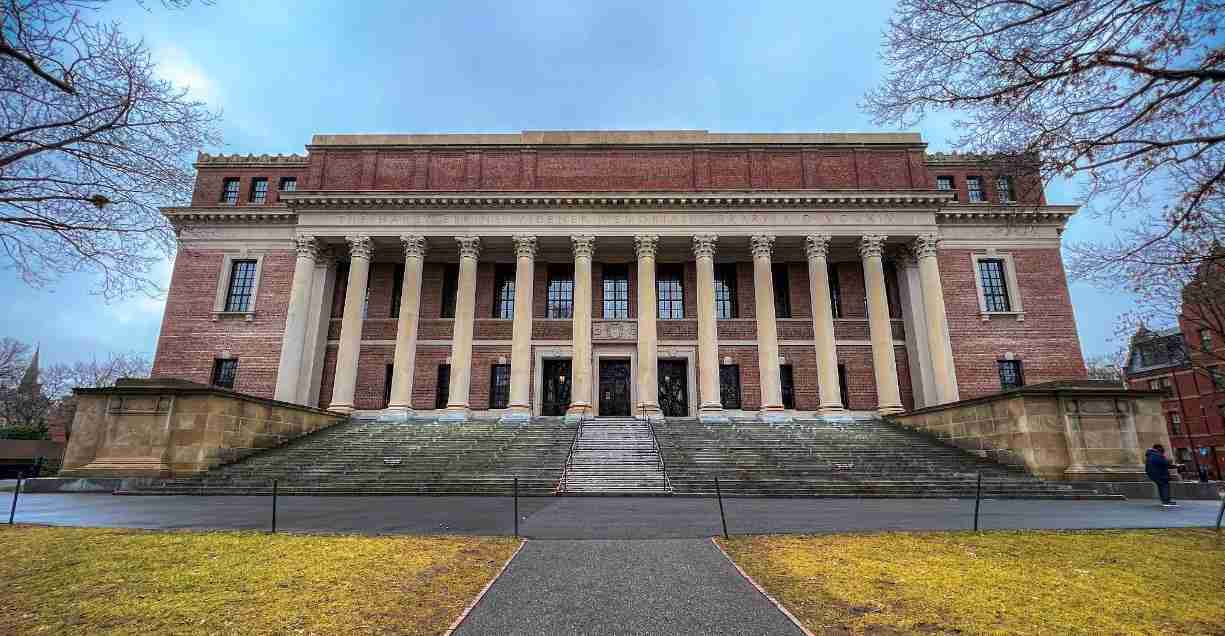
Harvard grade inflation report: Over 60% of undergrads now get A’s, students push back as calls for stricter grading Harvard ignite debate
A Harvard report reveals stark grade inflation: more than 60% of undergraduates now receive A grades, sparking intense debate as students push back and administrators weigh reforms aimed at restoring academic distinction and protecting degree value.
- Major finding: More than 60% of undergraduate course grades at Harvard are A’s, a sharp rise from about 25% two decades ago — Campus Reform analysis and trend report.
- Median GPA climbed: Reported median GPA rose from 3.64 (Class of 2015) to 3.83 (Class of 2025) — median GPA analysis.
- Drivers: Pandemic-era leniency, instructor pressure tied to student evaluations, and cultural incentives to preserve high GPAs are cited as key causes — report on causes.
What the report found
The analysis released by Harvard’s Office of Undergraduate Education documents a campus where A-level work has become the norm rather than an exception. The study and subsequent coverage show that more than 60% of all undergraduate course grades are A’s, a marked increase from roughly one-quarter of grades two decades ago — see the Campus Reform summary and the trend analysis.
Median GPA shift
One calculation cited in coverage shows the median GPA rising from 3.64 for the Class of 2015 to 3.83 for the Class of 2025, signaling compressed distinctions between students and prompting warnings that it becomes harder to tell who truly stands out — source: median GPA and trend report.
Why grades rose: pressure, pandemic and pedagogy
Multiple factors are cited for the steady rise in high marks. Faculty report pressure to award generous grades — in part because student course evaluations can affect hiring, promotion and teaching awards, which may encourage softer grading. Observers point to pandemic-era adjustments (remote learning, altered assessments and greater leniency) that accelerated the trend and did not fully reverse when campuses reopened — see the detailed report on drivers.
Student reactions: anxiety, outrage and tears
Proposals for stricter grading sparked sharp campus reactions. Some students reported feeling blindsided, with one student quoted saying,
“I was crying,”
after learning that tougher standards could lower GPAs and affect post-graduate plans — coverage of student responses is available at Fox News.
Administrator perspective: protecting reputations and rigor
Harvard leaders and academic officials argue that addressing grade inflation is necessary to preserve the value of its degrees. The report emphasizes that when most students earn A’s, employers and graduate schools may question the meaningfulness of top grades. Administrators propose contextual and structural fixes to restore differentiation.
Policy options on the table
The report recommends several practical steps to add context and restore differentiation:
- Add median or average grade indicators on transcripts so readers know the distribution in each course — recommended in the report.
- Expand the grading scale (for example, finer A+ distinctions) to allow more room to recognize exceptional work — see proposed reforms in the analysis.
- Standardize grading rubrics across sections to reduce instructor variability.
- Require in-person assessments in some cases to better evaluate independent student work and limit outside help or AI-assisted work — referenced in the report.
National context: not just a Harvard problem
Harvard’s trend mirrors a broader national pattern. Data and federal commentary show the share of A grades across U.S. colleges has risen sharply since the 1990s. Education officials describe grade inflation as a collective action problem that may require coordinated responses across institutions — see the U.S. Department of Education discussion at Addressing grade inflation.
Implications for Las Vegas, Nevada
Economic impact: Employers in Las Vegas — from casinos and resorts to tech startups and law firms — may shift hiring emphasis away from GPA toward internships, work samples and interviews if elite grades become less differentiating.
Political consequences: Local education leaders and elected officials who promote ties to elite universities could face renewed scrutiny. Nevada policymakers might increase investment in local credentials and apprenticeships to ensure workforce readiness.
Social and cultural effects: High-school counselors may encourage Las Vegas students to prioritize meaningful projects, leadership, and work experience over perfect grades. Local employers may value practical portfolios and references in hiring.
Practical applications for residents
- Job seekers: Strengthen portfolios, pursue local internships, and cultivate professional references rather than relying solely on GPA.
- Colleges and high schools: Advise students to highlight real-world experience and holistic application elements.
- Employers: Update hiring criteria to include skills tests, work samples and behavioral interviews.
Sources and further reading
- Harvard grade inflation coverage and analysis
- Student reactions and coverage
- Median GPA and trend analysis
- National context on grade inflation
For policymakers, employers and students alike, Harvard’s report is both a warning and a prompt: reassess signals of achievement and consider more holistic measures of competence as grades alone become less reliable indicators.