Ilhan Omar slams Chuck Schumer for refusing to back Zohran Mamdani, questions role of religion and party unity
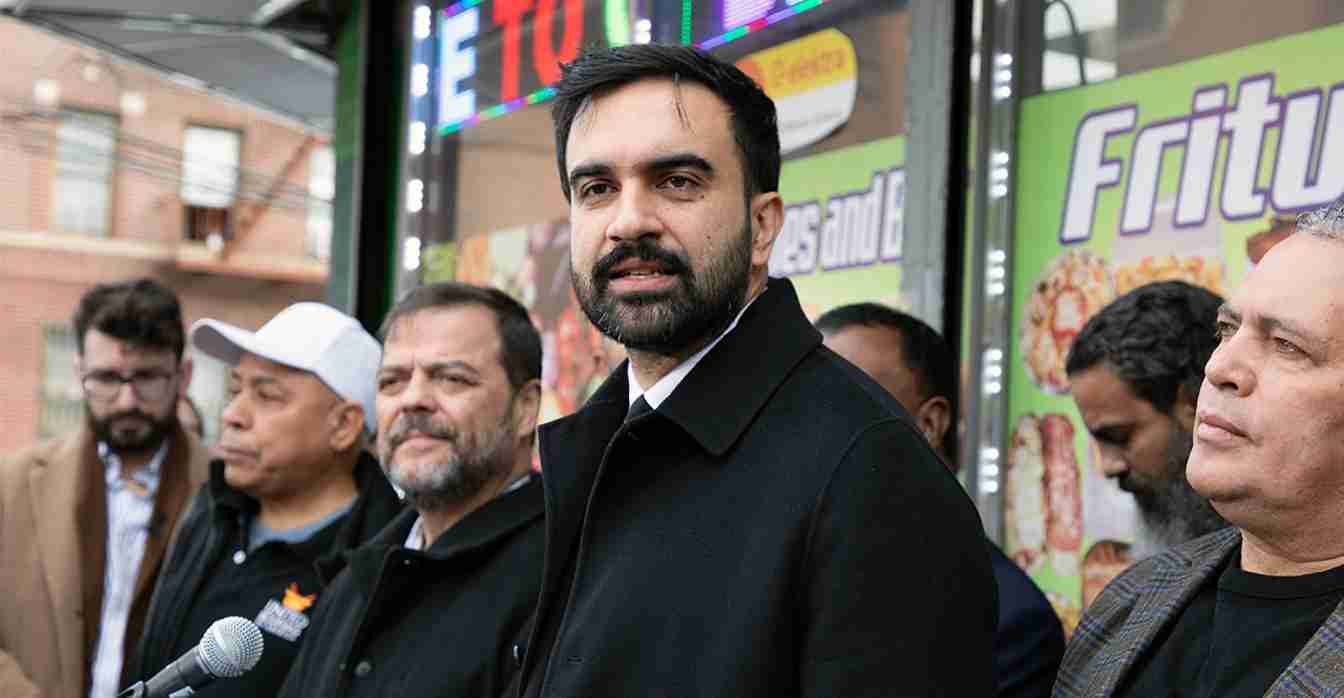
Rep. Ilhan Omar sharply criticized Senate Minority Leader Chuck Schumer for refusing to endorse Zohran Mamdani, calling Schumer’s silence “illogical” and suggesting it may reflect anti‑Muslim or partisan calculations amid growing Democratic divisions and national debate.
- Omar publicly called out Schumer for declining to back the Democratic mayoral nominee, arguing party leaders should support their nominee (Meaww, Fox News).
- Omar suggested anti‑Muslim rhetoric may be shaping leaders’ willingness to support Mamdani and raised concerns about identity-based bias (Fox News (video)).
- Omar pushed back on repeated antisemitism allegations, saying the label is sometimes over‑applied to sideline left‑wing candidates (YouTube interview clip).
- Schumer’s silence underscores Democratic divisions—House Minority Leader Hakeem Jeffries offered a cautious endorsement while Schumer withheld support, revealing strategic and ideological rifts.
Omar’s charge: party leaders should back their nominee
Rep. Ilhan Omar told reporters it was “illogical” for a party leader not to support his party’s chosen nominee. She emphasized that Democrats have traditionally urged unity after primaries and argued Schumer’s past calls for party alignment should apply now as well (Meaww; Fox News).
“We as Democrats have always believed that, in an election, we support our party’s nominee,” Omar said, arguing Schumer’s silence undermined efforts to project unity.
Was religion a factor? Omar points to anti‑Muslim attacks
On air, Omar raised the possibility that a “tsunami of anti‑Muslim attacks” has made leaders hesitant to back a Muslim candidate like Zohran Mamdani. She highlighted Mamdani’s outreach to both Jewish and Muslim communities and younger voters, arguing focus should remain on policy and coalition‑building rather than identity‑based accusations (Fox News (video); YouTube interview clip).
Antisemitism allegations and Omar’s response
Central to the dispute are accusations that some of Mamdani’s past statements or slogans are antisemitic. Omar rejected what she described as repeated, broad use of that label to marginalize left‑wing figures.
“I do think everything he does or says seems to be called antisemitic,” Omar said, arguing that such charges can be weaponized in intra‑party fights and may not reflect a candidate’s full record (Meaww; Fox News).
Schumer’s silence and Democratic Party divisions
Schumer’s decision not to endorse Mamdani has spotlighted fractures between the party’s moderate and progressive wings. While some establishment Democrats have been skeptical of Mamdani’s electability, others—including Rep. Alexandria Ocasio‑Cortez—have backed him as a progressive standard‑bearer.
House Minority Leader Hakeem Jeffries offered a cautious endorsement, but Schumer remained silent—a split that illustrates tensions over strategy, leadership, and priorities heading into broader national contests.
Mamdani’s coalition and the New York race
Zohran Mamdani has built a progressive platform focused on affordable housing, tenant protections, and policing reform. Supporters stress his cross‑community outreach; critics warn past statements and associations could complicate a general election strategy.
Omar argued Mamdani’s appeal is not limited to one identity group and highlighted his backing among Jewish, Muslim, and younger voters energized by policy proposals rather than identity politics.
Implications for Las Vegas, Nevada
Economic impact: Local donors and progressive fundraising networks in Las Vegas could reallocate resources depending on national leaders’ endorsement behavior, affecting Nevada races and local projects.
Political consequences: The dispute exemplifies tensions between party unity and ideological purity, potentially influencing endorsement strategies in Clark County and statewide ahead of 2026.
Social effects: National debates about anti‑Muslim rhetoric and antisemitism may prompt increased community organizing, interfaith dialogue, or calls for stronger protections against hate speech in Las Vegas.
Practical takeaways for residents: Watch local endorsements closely, encourage forums to surface bias concerns, and engage with county party structures to influence endorsement rules and processes.
Source attribution and reporting notes
This account draws on Omar’s public remarks and interviews reported by Times Media Service and other outlets. Key sources and clips include:
Preserved facts, links, and reporting above reflect original source material and public statements referenced in this summary.