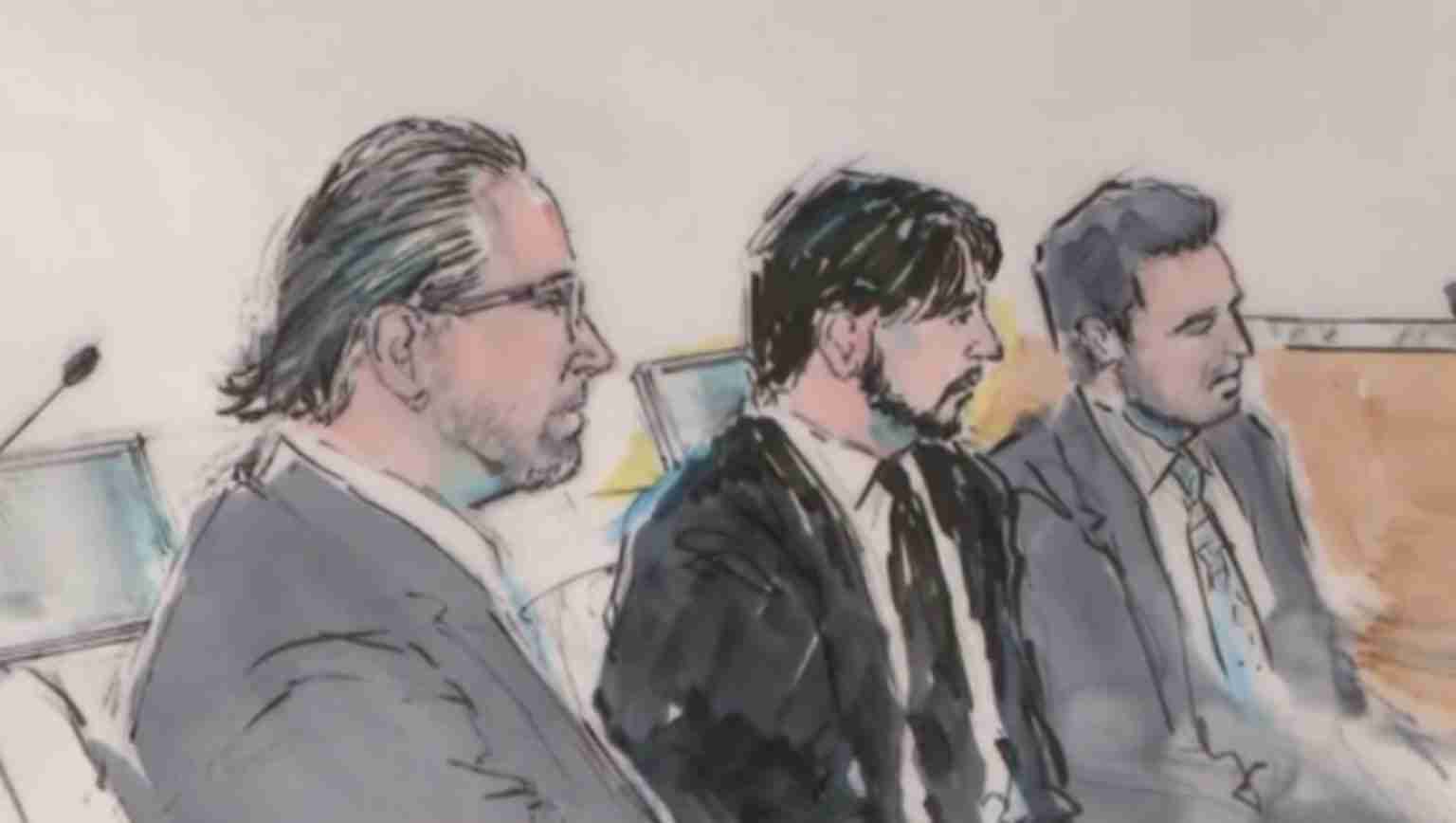
Rosie O’Donnell pleads for prayers as daughter Chelsea faces prison after probation revocation in drug case
Rosie O’Donnell has publicly asked for prayers as her eldest daughter, Chelsea O’Donnell, 28, faces prison after a judge found her in violation of probation tied to 2024 felony drug convictions, according to family statements and local reporting.
- Chelsea O’Donnell, 28, was sentenced after a judge determined she violated probation related to 2024 felony drug convictions; family statements were captured in a video report.
- Rosie O’Donnell described Chelsea as “in a crisis” and asked for prayers, compassion and privacy as the family tries to support her.
- Court records reviewed by local reporters did not clearly show an explicit probation revocation entry, leaving procedural details unclear; reporters note the need to separate family statements from official dockets (Green Bay Press-Gazette).
- The underlying 2024 case reportedly involved felony counts tied to methamphetamine possession; Chelsea has been jailed since September and received a sentence on Oct. 22, 2025, per family statements.
Background: family, adoption and reconnection
Chelsea O’Donnell was adopted as a baby by Rosie O’Donnell, who later became a prominent TV personality and comedian. The family relationship has included periods of distance; Rosie has said Chelsea spent years estranged before reconnecting after moving to Wisconsin and later becoming a mother herself.
Rosie’s public plea and family response
In a filmed interview, Rosie asked the public for prayers and compassion as her daughter faces incarceration. She said Chelsea is “in a crisis” and that the family is trying to surround her with help. Rosie framed the remarks as a parent’s plea for mercy, care and privacy while Chelsea navigates legal and personal challenges (video interview).
“She’s in a crisis,” Rosie said in the public remarks cited in the family’s video statement, asking for prayers and compassion for Chelsea and the family.
Legal developments: probation, violation and sentencing
Public reporting and family statements indicate Chelsea was jailed in September and received a sentence on Oct. 22, 2025, after a judge determined she violated probation tied to her 2024 drug convictions. The earlier case reportedly included felony counts related to methamphetamine possession.
However, the Green Bay Press-Gazette noted that court records reviewed by its reporters did not clearly show a classic probation revocation entry, meaning the exact legal steps that produced the sentence are not fully clear in publicly available dockets. That ambiguity has prompted reporters to advise caution in conflating family statements with the court’s formal record (local court reporting).
Chelsea’s addiction struggles and family support efforts
Rosie has publicly said addiction has been a long-running issue for the family. Chelsea is reportedly the mother of four children, and relatives have attempted to create a “safety net” to help her find stability. Addiction experts note that relapse and legal setbacks are common in chronic substance use disorders, and access to consistent, high-quality treatment in custody and post-release varies widely.
Public records and reporting: what is clear and what remains unclear
Reporters are relying on two main public sources in this case: the family’s recorded statements and local court reporting. The family’s remarks provide crucial personal context, while court dockets remain the authoritative legal source. Where court records are ambiguous, journalists note the need to follow up with prosecutors, defense counsel and court clerks to confirm the procedural history.
Implications for Las Vegas, Nevada
Economic and social services impact
Local service providers in Southern Nevada report high demand for addiction treatment and family support. A high-profile case can draw attention to gaps in treatment access and post-release support, possibly increasing donations or policy pressure to expand programs.
Criminal justice and local policy
Las Vegas and Clark County continue to balance public safety with alternatives to incarceration for drug-related offenses. The ambiguity in probation records here highlights calls from advocates for better transparency and tracking of probation outcomes to evaluate program effectiveness.
Political and community response
Moderate urban readers in Las Vegas may view the story as a prompt for pragmatic reforms: support for public safety paired with investments in treatment and reentry. Community leaders may ask whether probation and reentry systems are serving families and whether added funding for substance use treatment could reduce the cycle of relapse and incarceration.
Practical effects on daily life
For families in Las Vegas dealing with probation or addiction, this case serves as a reminder to check local resources. Clark County and local nonprofits offer hotlines, counseling and family support groups; increased public attention can lead to more outreach and clearer information about probation conditions and reentry services.
Investigative notes
- Family statements captured on video are a primary source for parts of the timeline and personal context but reflect the family’s perspective.
- Court records are the authoritative legal source; where dockets are ambiguous, follow-up with court officials and attorneys is necessary to confirm the procedural history.
- At the time of reporting, some formal revocation paperwork or explicit docket entries were not visible in public records reviewed by local reporters, leaving room for follow-up reporting to clarify whether probation was formally revoked or another procedural step led to the sentence.
Sources and further reading
Reporting for this article draws on the family’s public video statements and local court reporting. Key sources:
Reporting note: This article is based on family statements in a public video and local court reporting by the Green Bay Press-Gazette. Where court records were ambiguous, reporting reflects that uncertainty and points to the need for follow-up to obtain complete official documents.