FTC settles with StubHub for failing to show all-in ticket prices; $10 million set aside for refunds
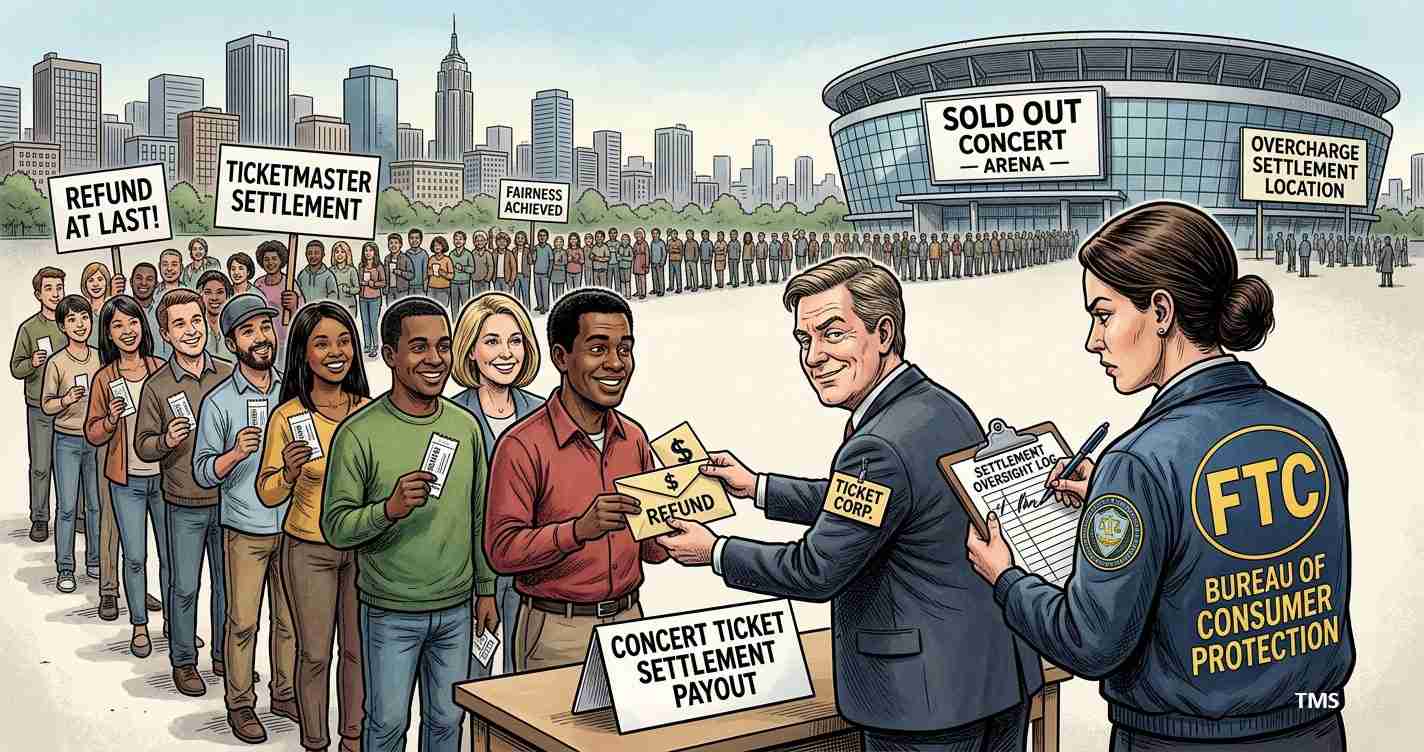
The FTC finalized a settlement with StubHub, requiring a $10 million refund fund after finding the platform failed to display all-in ticket prices, including mandatory fees, during initial days of the agency’s Junk Fees Rule enforcement in May 2025.
- Settlement and redress: StubHub must fund a $10 million consumer redress program to refund affected U.S. buyers.
- Alleged violation: Some listings from May 12–14, 2025 did not disclose the total price up front as required by the FTC.
- Platform changes: StubHub must more prominently display the total ticket price going forward.
- Enforcement signal: The FTC is signaling that even brief windows of noncompliance can prompt refunds and corrective orders.
Main content
What the FTC alleges
The agency filed a complaint and proposed settlement in the U.S. District Court for the Southern District of New York, saying that during May 12–14, 2025 — the first three days the FTC’s Junk Fees Rule took effect — some StubHub listings showed ticket prices without clearly and conspicuously including mandatory fees. The FTC’s Bureau of Consumer Protection Director, Christopher Mufarrige, said the rule requires the “total price of live-event tickets” be disclosed up front so consumers can make fully informed choices, adding that price transparency is “essential to a free and competitive marketplace.” (See FTC materials.)
The agency says it first warned StubHub after the rule became final and then moved to enforcement when it found listings that did not meet the new standard. The complaint points to the risk that consumers can be misled by “partition pricing” — when platforms show a base ticket price first and hide required fees until checkout. (See Rule and enforcement background and legal analyses.)
StubHub’s response
StubHub said it disagrees with the FTC’s interpretation of the facts but will provide refunds to address the agency’s concerns. The company described the issue as affecting a “limited number of transactions” during the three-day window when some listings may have displayed ticket prices exclusive of fees. StubHub’s statement says the company acted to correct the display issue and will comply with the court order’s requirements for refunds and clearer price displays. (See Company statement summarized by FTC filing.)
What the FTC Junk Fees Rule requires
The FTC’s final rule on unfair or deceptive fees — often called the FTC Junk Fees Rule — took effect May 12, 2025. It requires that businesses offering, displaying, or advertising any price for live-event tickets or short-term lodging must show the total price up front. That total must include all known and calculable mandatory fees or charges that are unavoidable for the consumer. The rule also says the total price must be displayed more prominently than other pricing information and be clear and conspicuous so an ordinary consumer can understand it. (See FTC rule and FAQ.)
Examples of mandatory inclusions listed by the FTC include online service fees that are required to buy a ticket. Items that can be excluded from the upfront total include clear government taxes and shipping where those charges are separately disclosed before purchase, or optional add-ons like voluntary parking that the consumer can decline. The rule also warns against hidden fees and “partition pricing.” (See regulatory guidance and legal analysis.)
Civil penalties of up to $51,744 per violation are available to the FTC for breaches of the rule after May 12, 2025, raising the stakes for ticket platforms that do not comply. (See Penalty guidance and analysis.)
How the settlement will work
Under the proposed order, StubHub must fund a $10 million consumer redress program. The company is to provide refunds within 90 days of the order to two groups: (1) buyers whose total ticket price was not disclosed on the initial pricing display; and (2) all other consumers who bought tickets during that three-day period. The order also requires StubHub to more prominently show the total price on its website and apps. (See Settlement terms.)
The FTC framed the settlement as a message to the market that the rule will be enforced, especially in the secondary ticketing space. The agency also pointed to the broader policy push from the White House: an executive order in March 2025 directed the FTC to act to ensure transparency in ticketing prices at all stages of the purchase process, including the secondary market. The order said the administration aimed to make arts and entertainment more accessible and to curb rent-seeking behavior that harms consumers. (See Context and executive order referenced in FTC materials.)
Why this matters now
The settlement is one of the first public enforcement steps under the FTC Junk Fees Rule. It signals to ticket platforms that small windows of noncompliance can trigger agency action and that refunds and corrective orders are on the table. The action also highlights how regulators are focusing on the user experience: the initial price display consumers see must be complete, not just the checkout screen. Legal and industry analysts say this shifts how platforms must design price displays and marketing claims. (See Foley & Lardner outline and JC Atty analysis.)
Implications for Las Vegas, Nevada
Economic impact: Las Vegas is a top U.S. market for live events, concerts, residencies, and sporting events. Transparent StubHub ticket prices could benefit Las Vegas consumers by making it easier to shop and compare tickets without surprise fees at checkout. Clear upfront pricing may also pressure ticket sellers and secondary platforms to compete on final price, which could lower the average out-the-door cost for attendees and help local venues, promoters, and small businesses that rely on predictable foot traffic.
Political consequences: For urban, moderate voters in Las Vegas, the settlement may reinforce calls for stronger consumer protections in markets where opaque fees have been common. Local and state officials who push for greater transparency in tourism and entertainment pricing can point to the FTC action as federal backing for consumer-friendly rules.
Social effects: Many Las Vegas residents rely on local entertainment for affordable leisure and community life. When tickets appear cheaper at first but add fees later, lower-income residents and casual buyers can be priced out. The settlement and the FTC Junk Fees Rule aim to reduce that surprise and help people make better choices about whether a show or event fits their budget.
Cultural relevance: Las Vegas markets itself on transparent packages for shows and experiences, but the ticket resale market has often been less straightforward. Promoters and venues in Las Vegas may find it easier to market events when secondary platforms must show an all-in price, reducing consumer distrust and complaints that can harm reputations.
Practical applications for consumers
Las Vegas ticket buyers should see clearer total prices on StubHub and other platforms covered by the rule. Shoppers can compare options faster and are less likely to abandon purchases at checkout because of surprise fees. Anyone who bought a U.S. live-event ticket from StubHub between May 12 and May 14, 2025, may be eligible for a refund under the $10 million redress program; affected buyers should watch for notices from StubHub and the FTC explaining how to claim relief. (See Settlement and consumer notice details.)
Sources and further reading
- FTC rule and guidance on unfair or deceptive fees
- Ballard Spahr analysis
- Hogan Lovells overview
- Foley & Lardner outline
- JC Atty analysis
- Spektrix background on ticketing legislation
“The total price of live-event tickets must be disclosed up front so consumers can make fully informed choices,” — Christopher Mufarrige, FTC Bureau of Consumer Protection Director.