Trump Outmaneuvers China in the Battle for Rare Earth Power, Pushing U.S. Supply Chain Shifts
The Trump administration launched an aggressive campaign to reduce U.S. dependence on China for rare earth minerals, using tariffs, direct talks and international partnerships to expand domestic capacity and protect critical technology and defense supply chains.
Key takeaways
- China dominates roughly 60–70% of rare earth mining and an even larger share of processing, giving Beijing leverage over supply chains.
- Beijing’s tightened 2025 export controls prompted U.S. retaliation including threats of tariffs and urgent negotiations to restore shipments.
- The Trump approach combined short-term deals with a long-term push to expand U.S. mining, processing and international partnerships.
- Even with renewed investment, experts warn China’s processing dominance leaves manufacturers exposed to sudden policy shifts.
Background: China’s leverage and the stakes
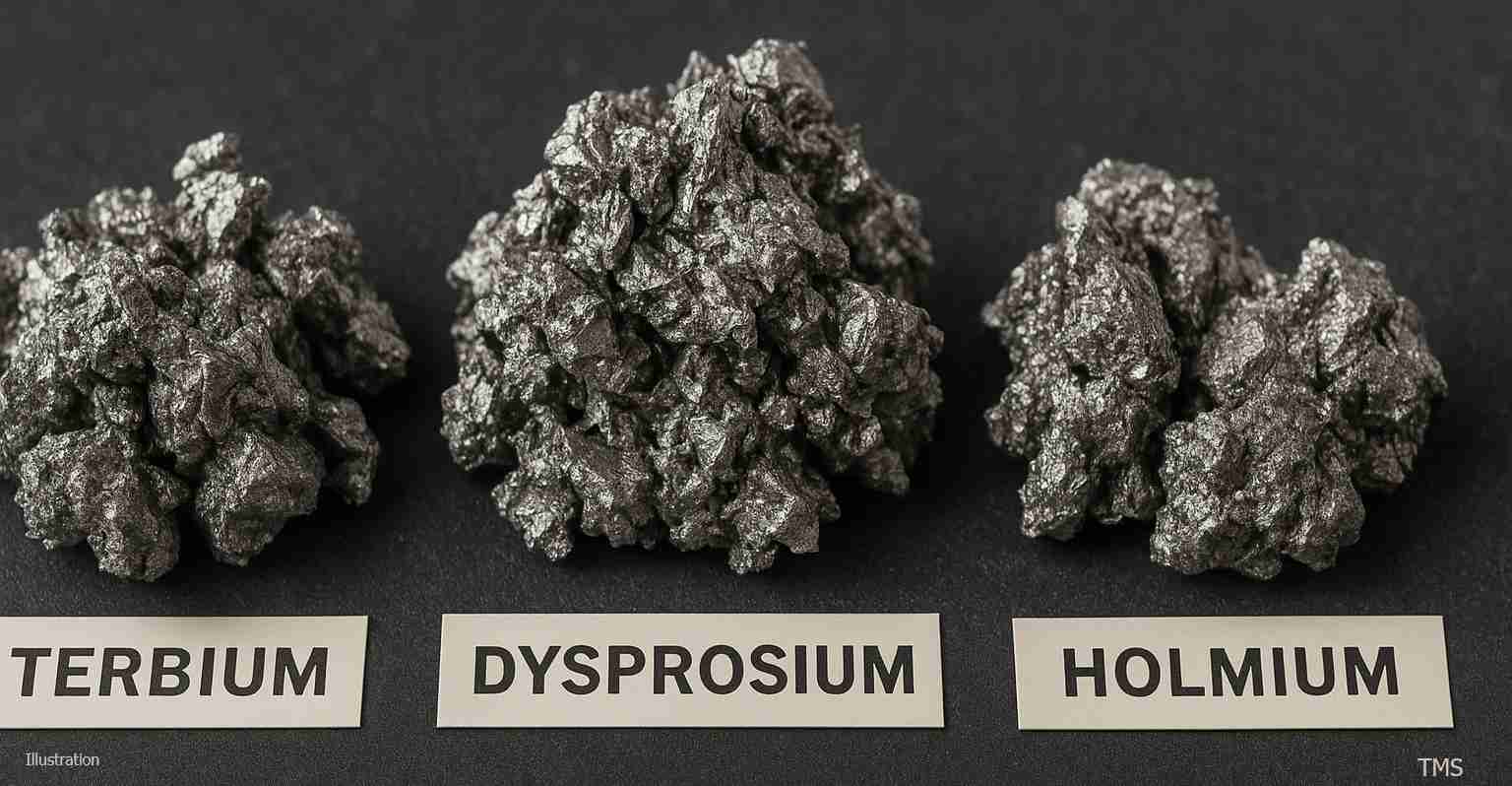
Rare earth minerals — a group of 17 elements — are essential for smartphones, electric vehicle motors, medical devices and advanced weapons. Control of these minerals matters for both industry and national security.
China’s hold on the market is twofold: it mines a large share of the world’s rare earths and it processes ores into the refined materials manufacturers need. U.S. officials and analysts estimate China controls about 60–70% of mining and a vastly larger percentage of processing capacity. See ABC News — “US-China rare earth minerals fight explained” and Center for Strategic and International Studies (CSIS) — “Trump Strikes Deal to Restore Rare Earths Access” for more.
Beijing’s 2025 export restrictions on select rare earths heightened fears that China could use exports as leverage in broader geopolitical disputes. U.S. officials called the move an example of “economic coercion”. An accompanying explainer video summarizes the moves and reactions.
Trump’s response: tariffs, talks and a temporary truce
Faced with tightened Chinese controls, the Trump administration adopted a two-track strategy: pressure and diplomacy. Officials threatened comprehensive tariffs on Chinese goods and publicly raised the stakes ahead of an announced tariff deadline. Simultaneously, senior U.S. negotiators engaged Chinese counterparts to restore shipments of rare earths and magnets critical to automakers and tech manufacturers (see ABC News and CSIS).
“The negotiations produced a limited agreement to resume shipments after two months of disruption, easing immediate shortages but standing as a temporary truce,” analysts noted.
CSIS experts warned that Beijing’s prior restrictions on other strategic minerals — like gallium, graphite and tungsten — indicate similar disruptions could recur, underscoring the fragility of short-term fixes.
Long-term push: domestic capacity and global partners
Recognizing that temporary deals cannot fully eliminate vulnerability, the Trump rare earth strategy combined near-term bargaining with a long-term industrial plan:
- Expanding domestic mining and processing. The administration pushed to grow U.S. capacity for mining, refining and producing magnets and other components to rebuild a supply chain that had atrophied.
- Building international partnerships. The U.S. pursued new suppliers and joint projects with allies. Notable moves included cooperation linking firms such as MP Materials with foreign partners — including Saudi Arabia’s Ma’aden — and initiatives involving Ukraine and Greenland to explore and develop critical mineral deposits (CSIS).
- Emphasizing supply-chain resilience. Policymakers stressed the need for “mine-to-magnet” chains to reduce dependence on single-country processing and to encourage private investment in refining and manufacturing on allied soil.
These measures aimed to create alternatives to Chinese processing hubs and to encourage private investment in refining and manufacturing on allied soil.
Current balance of power and continued vulnerabilities
Despite the administration’s push, China remains the dominant processor. The mix of large mining shares and concentrated processing capacity keeps the global market sensitive to Beijing’s policy moves. Even with renewed U.S. investment and alliances, experts say it will take years to build redundant, secure supply chains (ABC News; CSIS).
Subsequent administrations have largely continued efforts to diversify supplies and support domestic processing, underscoring that rare earths are a long-term strategic priority for U.S. economic and defense policy.
Voices and assessments
Analysts described the Trump approach as pragmatic in mixing pressure with diplomacy. Policy centers like CSIS stressed that temporary access deals can relieve immediate bottlenecks but do not eliminate China’s leverage through processing dominance. Industry groups welcomed steps to shore up supply while warning that significant public and private investment is needed to build full-scale U.S. refining and magnet-making capacity.
Implications for Las Vegas, Nevada
Economic impact
Las Vegas’s economy — driven by tourism, hospitality and entertainment — is also tied to broader tech and manufacturing supply chains through Nevada’s growing role in energy and advanced manufacturing. Disruptions or price shifts in the global rare earth market can raise costs for electronics, electric vehicles and renewable energy equipment, potentially increasing operating costs for businesses and prices for local consumers.
Job creation and local investment
Efforts to expand U.S. mining and processing capacity could create opportunities in Nevada and nearby states. New investment in mine development, refining facilities, or component manufacturing might bring construction and skilled manufacturing jobs to the region, offering Las Vegas residents more diverse employment options beyond tourism — contingent on permitting and community support.
Political consequences
Local leaders and Nevada’s federal delegation may face pressure to support policies that attract critical-mineral investment while balancing environmental and land-use concerns. The emphasis on international partnerships and domestic capacity ties into ongoing Nevada debates about resource development and environmental protection.
Social and cultural effects
Mining projects and processing plants can provoke debate over water use, land impact and community health. In water-sensitive Nevada, proposals requiring large water supplies or posing pollution risks may encounter strong scrutiny, potentially straining relations between industry proponents and local communities.
Practical applications for residents
For consumers in Las Vegas, the rare earth battle can affect availability and prices of everyday technologies — smartphones, earbuds, EVs and more. Tourism businesses adopting new technologies (electric shuttle fleets, advanced POS systems, energy-efficient gear) may face higher costs if supply chains tighten. Conversely, a stronger U.S. supply chain could stabilize prices over time and encourage local businesses to adopt advanced technologies with greater confidence.
Regional resilience and federal dollars
Las Vegas could benefit from federal programs aimed at building domestic capacity. Grants, tax incentives or procurement programs that favor U.S.-sourced components could attract projects and jobs to Nevada. Local officials seeking to convert federal interest into local gains should weigh environmental permitting, workforce training and infrastructure needs.