
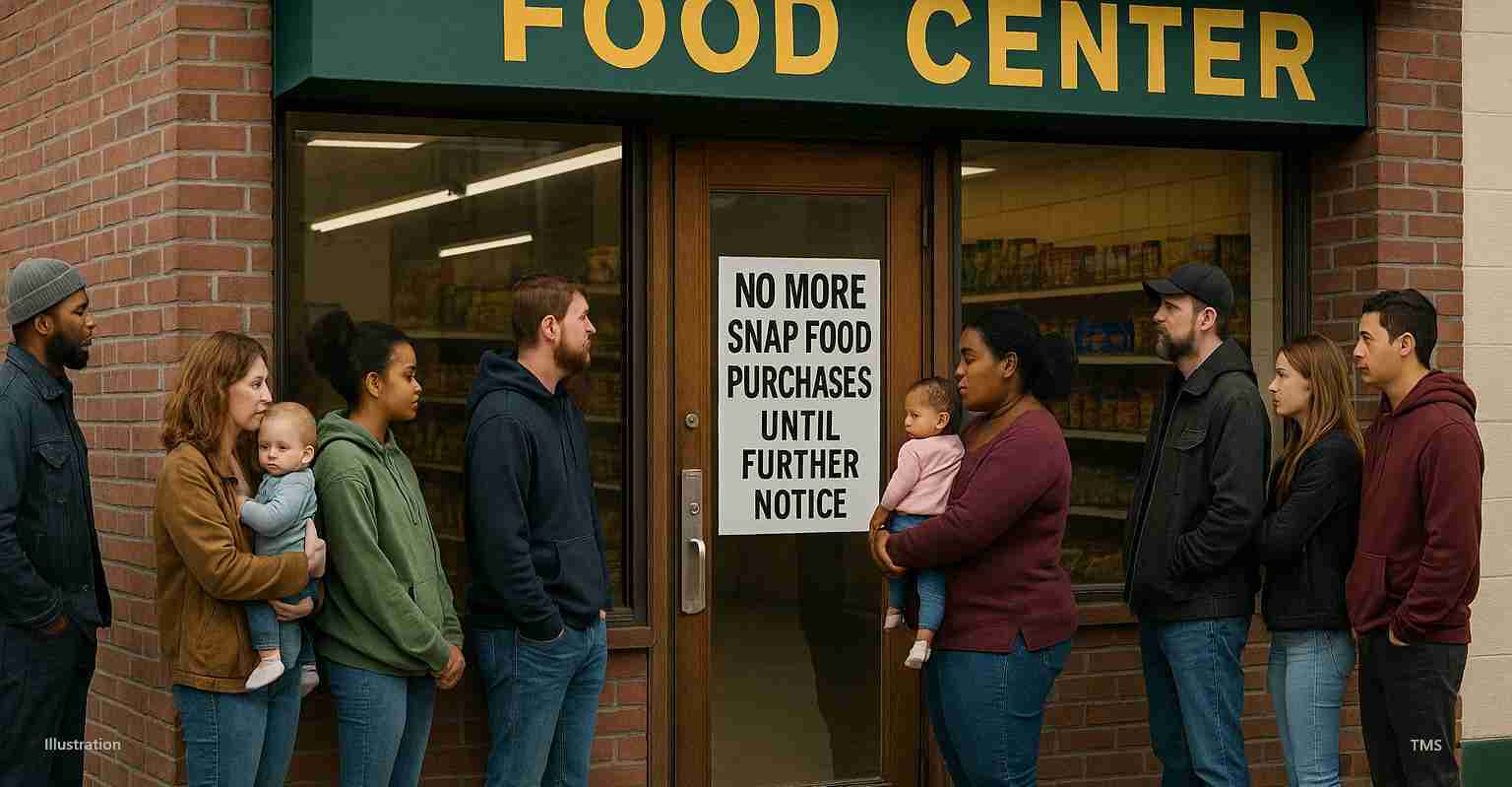
Democrats under fire as SNAP benefits paused — 42 million Americans face food aid halt as Government shutdown EBT access set to stop Nov. 1
Beginning Nov. 1, 2025, roughly 42 million Americans who rely on SNAP risk losing November benefits as a federal government shutdown halts EBT disbursements unless Congress restores funding, potentially straining local food systems across communities.
Key takeaways
- SNAP benefits paused for November 2025 unless Congress restores funding.
- About 42 million Americans who rely on SNAP could be affected nationwide (estimates also summarized by Food Research & Action Center).
- EBT transactions may be disabled after Oct. 31, meaning unused funds could become temporarily inaccessible.
- States will continue processing applications but cannot issue new monthly benefits without federal appropriations; local charities are preparing for surges in demand.
What is happening and why
The U.S. Department of Agriculture, which administers the Supplemental Nutrition Assistance Program, has informed states that November SNAP payments cannot be issued while the federal government remains unfunded. October benefits were distributed, but unless Congress passes an appropriation or stopgap measure, no new funds will be loaded onto Electronic Benefit Transfer (EBT) cards for November. Pennsylvania advisory and state notices reflect that guidance.
The pause is the direct result of a partisan budget deadlock in Congress — lawmakers have not yet agreed on appropriations that keep federal operations running. SNAP distributions depend on annual or continuing appropriations; without them, federal agencies lack authority to release funds. See recent state advisories such as the Missouri DSS notice and South Carolina DSS alert for examples.
Who is affected
Nationwide, about 42 million people receive SNAP benefits and would be touched if payments are halted. Impacted groups include:
- Families with children
- Seniors on fixed incomes
- People with disabilities
- Low-wage workers and other households that rely on SNAP to meet basic food needs
The USDA guidance applies to all states; many state human services agencies say they will continue processing applications even though they cannot make payments without federal funding. (See Missouri DSS notice.)
EBT access and timing
Recipients are urged to check EBT balances and use any available benefits before Oct. 31. State notices warn that EBT card transactions may be disabled beginning Nov. 1 during the shutdown, which could leave unused benefits temporarily inaccessible. If federal funding is restored quickly, SNAP payments can resume and EBT access reactivated; however, agencies emphasize there is no authority to release federal funds until Congress acts. Source examples: Pennsylvania advisory, Missouri DSS notice.
“There is no authority to release federal funds until Congress acts to end the shutdown.”
What states and local partners are doing
State human services departments report they will continue processing SNAP applications and are coordinating with community partners to prepare for increased demand for emergency food assistance. Food banks, pantries, faith-based groups and local charities are mobilizing to distribute meals and groceries, but officials warn these networks may be overwhelmed if the shutdown persists. (See state advisories listed below.)
Federal, state and local messages to residents
- Check EBT balances and use any available benefits before Oct. 31 (Pennsylvania advisory).
- Continue applying for SNAP; applications may still be processed even if payments are delayed (Missouri DSS notice).
- Contact local assistance offices, food banks or community organizations for emergency help and updates.
Political fallout: Democrats under fire, but blame is bipartisan
Political attacks are already emerging. Some critics point to Democratic lawmakers as responsible, arguing they should prioritize funding social programs like SNAP. At the same time, official communications and independent analysts frame the pause as the outcome of a bipartisan budget deadlock: both parties remain locked in negotiations over spending measures that would end the shutdown. Analysts warn that public frustration could shape messaging and voter perceptions ahead of local and national campaigns.
How long might the pause last?
Payments could resume quickly if Congress reaches a deal, but there is no firm timetable. A continued shutdown would keep SNAP distributions on hold until appropriations are passed and agencies are authorized to resume payments. For analysis, see the Food Research & Action Center explainer.
Implications for Las Vegas, Nevada
Economic impact
Las Vegas’s economy relies heavily on tourism, hospitality and service jobs; a sudden pause in SNAP benefits would reduce household grocery purchasing power across the metro area and could ripple through local grocery stores and small retailers that depend on SNAP-driven spending.
Political consequences
Local elected officials in Clark County and Nevada may face pressure to respond. Constituents who rely on SNAP will seek explanations and emergency aid; advocacy to restore federal funding could become a central issue for moderate urban voters.
Social effects
Nonprofits, school systems and faith-based groups can expect higher demand. Families relying on school meal programs may face additional stress during weekends and breaks, and shelters and pantries could see longer lines and fast-depleting supplies.
Cultural relevance
Food insecurity affects community stability and public health. In Las Vegas, multigenerational households and immigrant communities may face difficult trade-offs between rent, medicine and food; local cultural institutions and neighborhood groups often step in, but prolonged pauses test community resilience.
Practical applications for residents
- Check your EBT balance and use available benefits before Oct. 31 to avoid temporary loss of access (Pennsylvania advisory).
- Continue to apply or reapply for SNAP; states can process applications though payments may be delayed (Missouri DSS notice).
- Contact Clark County assistance offices, local food banks and community organizations for emergency food resources and updates.
- Monitor official state pages and trusted nonprofit sites for real-time information (South Carolina DSS alert).
- Expect longer pantry lines and plan transportation for distribution sites.
Resources and official guidance
- Pennsylvania SNAP advisory
- South Carolina DSS alert
- Missouri DSS notice
- Food Research & Action Center explainer on shutdown impacts to SNAP
Reporting note: This is a developing story. Reporting will continue as federal and state officials issue updates and as Congress works toward a funding solution.



