Fetterman Breaks With Democrats Over Shutdown, Says He’ll Put Country Over Party
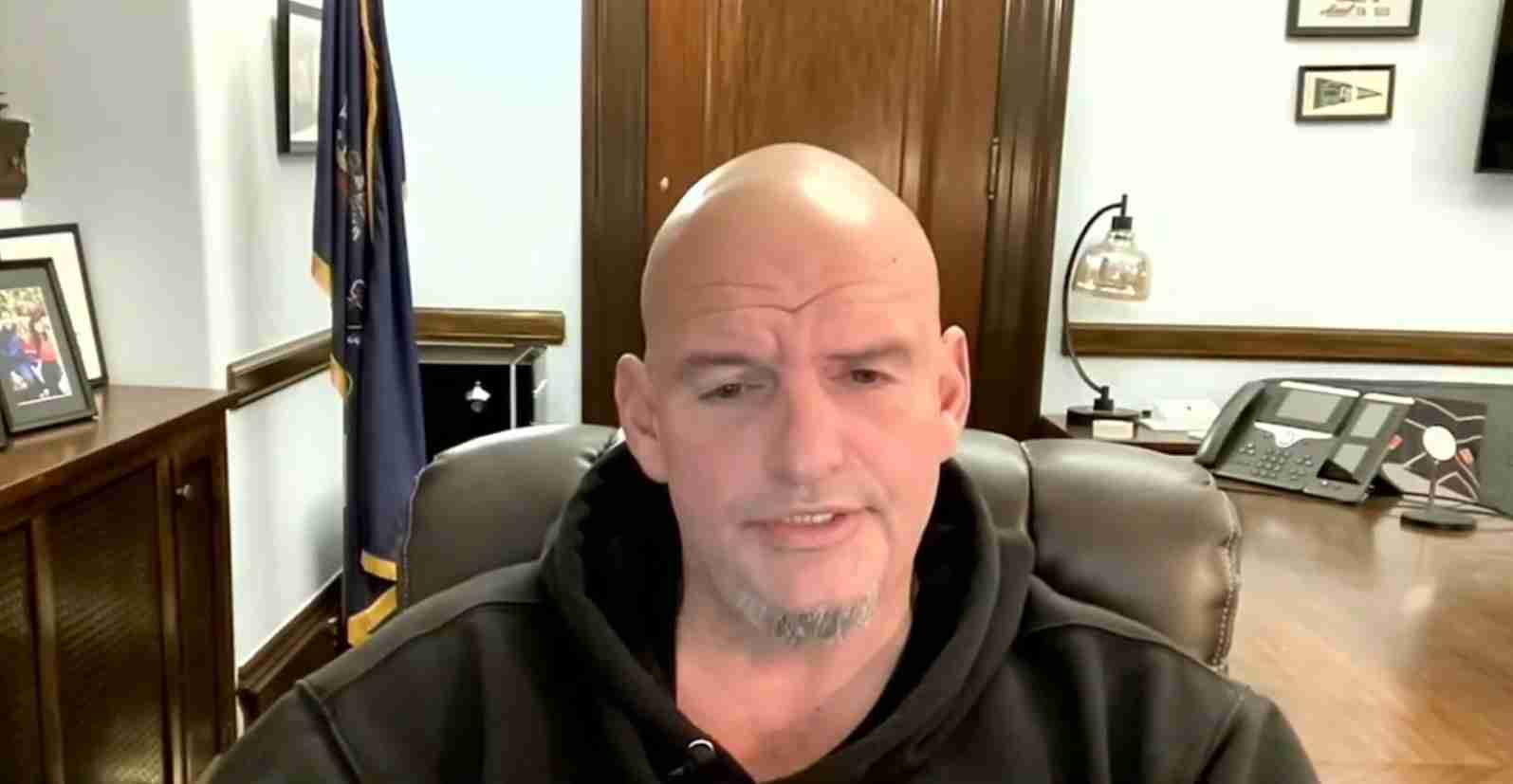
Sen. John Fetterman said he will put the country above party, breaking with Democratic strategy to press for a government reopening. He’s voted across party lines and urged procedural changes to end the shutdown swiftly.
Key takeaways
- Fetterman prioritizes reopening: He says he will put the country above party and is willing to “pay a price” to end the federal government shutdown — reported by AOL.
- Cross-party voting strategy: Since the shutdown began he has voted seven times for the Democratic continuing resolution and nine times for the Republican continuing resolution while seeking a path to reopen government — see the Fetterman press release.
- Procedure over process: He said he would “fully endorse” Republicans bypassing the filibuster to pass a spending plan — a stance covered by the Pittsburgh Post-Gazette.
Why Fetterman’s stance matters
Senators rarely publicly accept political consequences to break with their party on high-profile votes. Fetterman reframes the debate from party strategy to immediate relief — putting government workers, service recipients and the military first. That framing has amplified pressure on both parties to produce results.
Votes, strategy and the 60-vote threshold
Fetterman has taken an unusual roll-call path. According to his office, he has voted seven times for the Democratic continuing resolution and nine times for the Republican continuing resolution in a bid to find a route forward — details available in the Fetterman press release.
None of the competing packages reached the 60 votes needed to overcome a filibuster in the Senate. By voting for both sides’ measures, Fetterman says he is attempting “every available route” to end the shutdown.
Notably, his vote to consider the House Defense Appropriations Bill (H.R.4016) was aimed at ensuring military pay during the lapse. He emphasized preference for the Senate defense package — which contained investments important to Pennsylvania — but argued that paying service members immediately was paramount.
I will continue to vote to end this shutdown and reopen our federal government so all workers can move on from this chaos,
he said in a statement explaining those choices — see the Fetterman press release.
On filibuster reform and bypassing obstruction
Perhaps the most consequential break is procedural. Fetterman said he would “fully endorse” Republicans bypassing the filibuster to pass a spending plan and end the shutdown — a marked departure from many Democrats who defend the filibuster (Pittsburgh Post-Gazette).
The filibuster requires 60 votes to advance most legislation. If senators were willing to alter or bypass it for funding bills, the immediate legislative gridlock could be addressed more directly. Fetterman’s position raises questions about whether other Democrats will follow or whether he will become isolated within his caucus.
Media attention and political fallout
Fetterman’s statements generated national headlines and scrutiny from allies and opponents. Coverage framed his votes and comments as a clear break from Democratic leadership strategy during the shutdown (AOL).
His office emphasizes humanitarian and practical reasons: the impact on federal workers, veterans and the public who rely on government services. His cross-party votes and tactical support for procedural change aim to reopen operations quickly — not to rewrite long-term policy.
What his stance may mean for bipartisanship
Fetterman frames his actions as accountability and problem-solving. In practice, his approach could encourage senators to prioritize short-term fixes over partisan advantage. Alternatively, it could deepen fractures in the Democratic caucus if leaders view his moves as undermining unified bargaining.
Potential outcomes:
- Model for pragmatism: Could inspire cross-party solutions in narrowly divided votes.
- Loss of leverage: May leave the caucus with fewer tools in future negotiations.
- Political risk: A willing breaker of party discipline can be both lauded and targeted.
Implications for Las Vegas, Nevada
Economic impact
A prolonged shutdown affects Las Vegas concretely: federal workers at Nellis Air Force Base, TSA at McCarran International Airport, veterans’ services and Social Security offices may face delayed pay. Guaranteed military pay — which Fetterman supported through consideration of H.R.4016 — would alleviate strain for military families near Las Vegas (Fetterman press release).
Tourism and travel
Las Vegas relies on travel and conventions. Disruptions to TSA staffing, visa processing or travel services can create lines, cancellations and reduced visitor confidence — rippling into hotels, casinos, restaurants and the gig economy.
Political consequences
Nevada leaders will watch how senators like Fetterman influence Capitol Hill tactics. An outcome that reopens government by bipartisan support or procedural change could attract praise from moderates; procedural fights could force local politicians to take clearer stances ahead of elections.
Social effects
Federal agencies deliver services many Las Vegans depend on — veterans’ benefits, public health programs and housing assistance. Delays hit vulnerable populations first. Fetterman’s stated priority of ending the shutdown so workers and service recipients can “move on from this chaos” resonates with community groups serving those populations (AOL).
Cultural relevance
Las Vegas voters are often pragmatic. The city’s mix of private enterprise and public-sector workforces tied to tourism and defense means a senator willing to cross party lines to reopen government may appeal to local sensibilities that favor results over partisan signaling.
Practical applications for residents
- Federal employees: Monitor agency and union updates on pay and furlough status.
- Business owners: Evaluate cash-flow plans and short-term adjustments if federal delays affect customers.
- Local officials: Use Fetterman’s example when pressing Congress for quicker action to protect pay and essential services.