Senate Republicans vote down bill to curb Trump war powers over drug-smuggling boats as two GOP senators break ranks
Senate Republicans rejected a Democratic-led resolution to limit President Trump’s unilateral use of military force against Caribbean drug-smuggling vessels, voting 51-48; two GOP senators joined Democrats while one Democrat opposed the measure, highlighting tensions over executive authority and border security.
- Senate roll call: The measure failed 48-51; Sens. Rand Paul and Lisa Murkowski crossed party lines to support it, while Sen. John Fetterman — a Democrat — voted against it. See ABC News.
- Scope of the bill: It would have required congressional authorization for future uses of force against drug cartels and their vessels; the White House warned it would veto such a restriction. See ABC News.
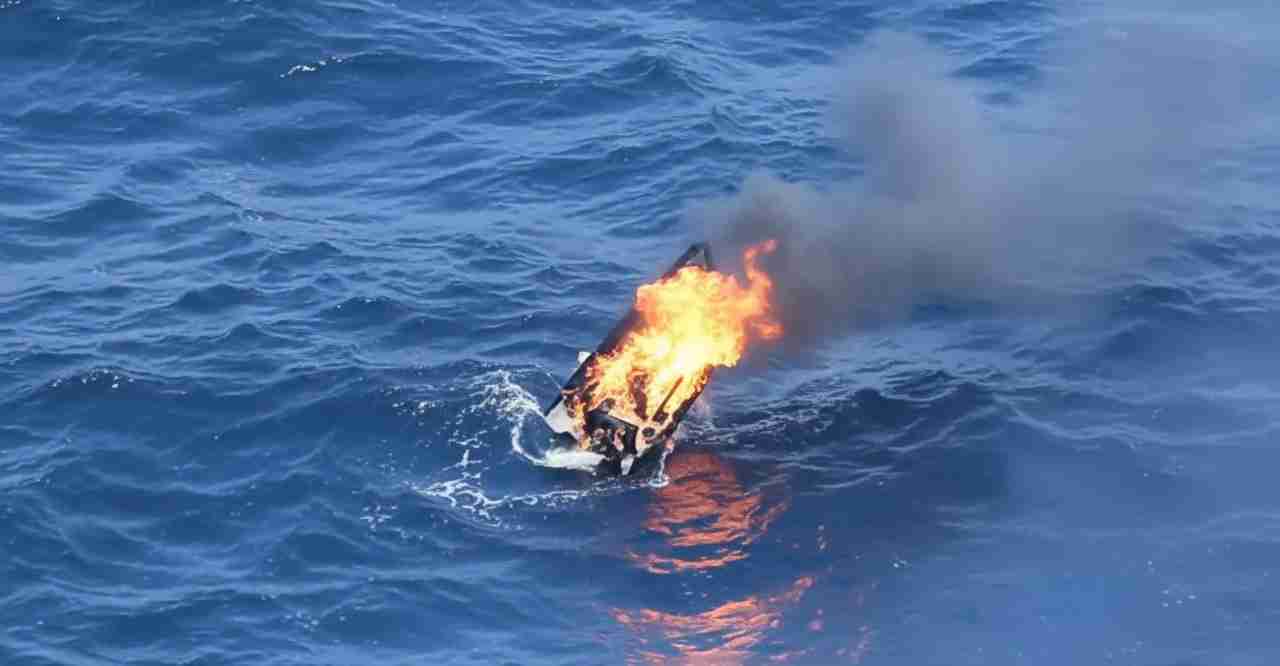
- Administration claims: Officials say strikes destroyed four boats, killed at least 21 people, and disrupted narcotics bound for the U.S. See ABC News.
Background: Trump’s campaign against drug vessels
The administration characterizes the operation as a direct effort to stop powerful drug networks using fast boats to move fentanyl and other narcotics toward U.S. shores. Officials framed traffickers as armed combatants and a national security threat, arguing the commander-in-chief has authority to use military force. The administration says the strikes have removed multiple vessels from service and prevented shipments of drugs bound for the United States. See ABC News.
Why senators pushed the legislation
The draft resolution sought to reassert Congress’s constitutional role in authorizing military force. Sponsors warned the strikes could set a precedent allowing the executive branch to use lethal force against non-state actors without clear legal authorization from lawmakers. Supporters argued unchecked action could expand presidential war powers and lower the bar for future force in situations not formally declared as war.
Sen. Rand Paul urged that Congress must not cede its authority, warning lawmakers should not allow the executive branch to act as “judge, jury and executioner.” See ABC News.
Which senators stood where
- Republican defections: Sen. Rand Paul and Sen. Lisa Murkowski joined Democrats to back the resolution, framing the measure as a bipartisan check on executive action. See ABC News.
- GOP majority: Most Senate Republicans opposed the bill, citing national security concerns and the administration’s argument it was necessary to stem drug flows; some expressed discomfort but sided with the White House. See ABC News.
- Notable Democratic dissent: Sen. John Fetterman — a Democrat — voted against the resolution. See ABC News.
Arguments from the Senate floor
Supporters emphasized the rule of law and international norms, warning that treating cartels as armed forces could blur legal lines and increase risks of unintended conflict. They called for oversight and transparent legal justification for sustained operations.
“These questions deserve public answers and proper authorization from Congress,” supporters said.
Opponents stressed the immediate threat from fentanyl and rising overdose deaths. Sen. Jim Risch, chair of the Senate Foreign Relations Committee, defended the operation, saying the “poisonous substances” being moved had to be stopped and that many drugs were “now at the bottom of the ocean.” See ABC News.
Notable floor interventions
Sen. Marco Rubio urged colleagues to treat cartels with seriousness akin to state actors in some regions, citing cartel territorial control in parts of the Caribbean. Senators including Kevin Cramer and Todd Young raised concerns about legal basis and strategic implications, even as they voted against the restriction; Sen. Young called for additional oversight and hearings by the Senate Foreign Relations Committee. See ABC News.
Legal and strategic questions
Lawmakers asked whether the strikes meet legal standards for use of force, whether targets qualify as lawful military objectives, and which international-law obligations apply when force is used against non-state actors at sea. Supporters of the resolution said these questions demand public answers and congressional authorization; opponents argued the executive needs flexibility to act quickly against homeland threats.
Strategically, senators warned a sustained U.S. military focus in the Caribbean could divert resources from other priorities, including great-power competition in the Pacific. Others feared operations could escalate tensions with nearby nations or unintentionally draw the U.S. into broader regional conflicts, including with Venezuela. See ABC News.
Veto threat and political stakes
The White House warned it would veto any bill restricting the president’s ability to use force against drug-trafficking networks, framing the Senate vote as largely symbolic. Still, senators said the roll call mattered for publicly registering views on executive power and national security. The close margin — 48-51 — and two Republican defections highlighted fissures within the GOP over balancing border and drug-control policy with constitutional oversight. See ABC News.
Implications for Las Vegas, Nevada
Economic and public-health impact
Las Vegas is coping with the local effects of the national drug crisis: fentanyl and other illicit substances have contributed to rising overdose deaths and strained public-health resources in Nevada. If maritime strikes reduce opioid flows to U.S. shores, law enforcement and treatment providers in Las Vegas could see short-term easing in drug volume, but experts warn trafficking adapts quickly and may shift to land or air routes.
Public safety and law enforcement
Local agencies — including Las Vegas police and the Nevada Highway Patrol — handle downstream distribution and street-level trafficking. Greater disruption at sea might buy time for local agencies to bolster prevention, treatment, and enforcement, yet the Senate debate underscores that gains may be temporary without coordinated policy combining interdiction, prosecutions, treatment, and demand reduction.
Political and legal consequences for residents
For urban, politically moderate voters in Las Vegas, the vote underscores a tension between support for strong protective action and concern about unchecked executive power and legal accountability. Nevada’s congressional delegation, community leaders, and voters may press for clearer oversight, transparent legal justifications, and a plan that pairs military action with investments in public health and border security.
Federal resources and strategic priorities
Nevada’s economy and security interests tie into broader federal priorities. Senators worried about diverting military assets from other theaters may resonate with residents focused on long-term national security. At the same time, if maritime interdictions reduce drug harm locally, Las Vegas stakeholders will expect decisive, accountable federal action.
Community-level responses and practical effects
Community organizations and health providers should prepare for shifts in drug availability, including possible short-term fluctuations after maritime strikes. Policymakers in Nevada may use the Senate vote to seek more federal support for treatment, overdose prevention, and data sharing. Any lasting solution will require coordination across federal, state, and local agencies and clear answers from the White House about legal authority, goals, and measures of success. See ABC News.
Key facts preserved: The Senate rejected the resolution 48-51; two Republicans (Sen. Rand Paul and Sen. Lisa Murkowski) joined Democrats in support; Democratic Sen. John Fetterman opposed it; the bill would have required congressional authorization for force against cartels and vessels; the administration reports four boats destroyed and at least 21 fatalities. See ABC News.