Chevron Refinery Fire in El Segundo Heightens Risk to California Fuel Supply, Could Push Gas Prices Higher
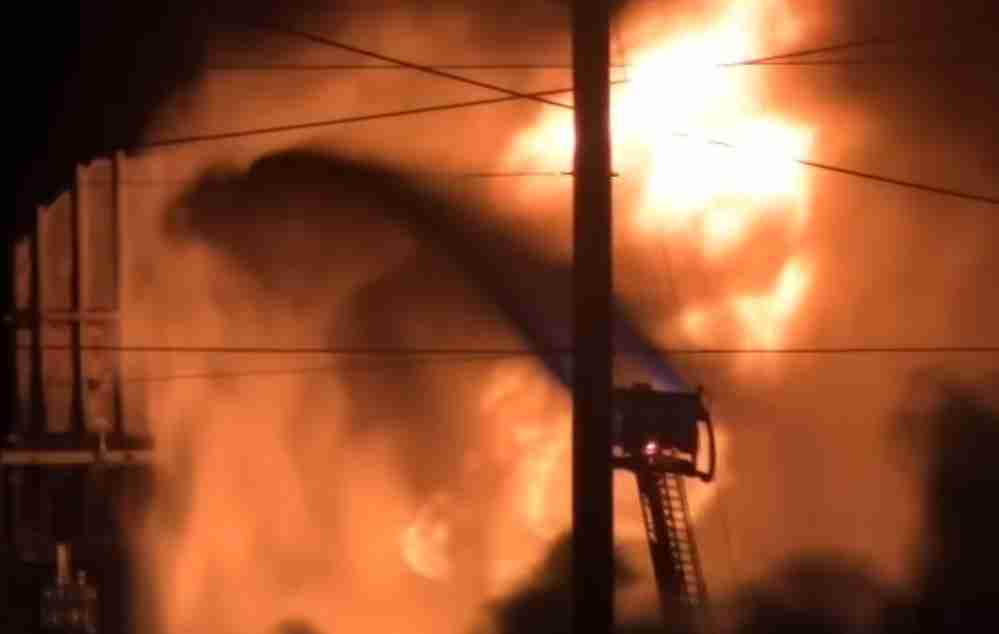
A fire at Chevron’s El Segundo refinery Oct. 3 has raised concerns about California’s fuel supply and could push pump prices higher statewide, as experts monitor potential outages and repair timelines that may affect gasoline and jet fuel.
Key takeaways
- Fire contained: Blaze began Oct. 3 and was extinguished the next morning, with no reported injuries.
- Operational impact: Damage was largely tied to jet fuel operations, but El Segundo produces a large share of statewide fuels.
- Supply risk: The plant handles about 276,000 barrels per day, roughly 20% of California’s gasoline and 40% of its jet fuel.
- Price outlook: Analysts project short-term retail moves of about 5 to 20 cents per gallon, with one estimate of ~13 cents per week for each week the refinery is offline.
What happened and how crews responded
The blaze at the Chevron refinery ignited in the southeast section of the complex on Oct. 3. Firefighters and Chevron emergency teams moved quickly to contain the flames; company and local statements said crews had the fire out by the following morning (ABC7 live updates).
No injuries were reported, and officials said the affected area was largely tied to jet fuel operations. Still, inspections and safety checks could reveal additional needs for repairs or extended downtime.
“Rapid containment reduced immediate public-safety risk, but economic impacts depend on repair timelines and regulatory inspections.”
Why the El Segundo refinery matters
El Segundo is one of the West Coast’s largest refining sites, processing roughly 276,000 barrels per day. Estimates place the plant’s output at about 20% of California’s gasoline and roughly 40% of the state’s jet fuel, making it a critical node for statewide supply.
California runs a tight balance between refinery capacity and demand. Planned closures at other facilities reduce spare capacity, increasing sensitivity to disruptions at El Segundo.
Supply chain effects and possible responses
Industry observers say the magnitude of disruption hinges on how quickly Chevron can restore full operations. If damage is minor and repairs are swift, impacts may be short-lived. If units remain offline for weeks, California may need to reroute fuel from other West Coast refineries or import refined fuel from overseas, adding cost and time to deliveries (CBS Los Angeles analysis).
A prolonged outage would also pressure jet fuel supplies, potentially increasing airline and cargo costs and prompting operational changes at airports that rely heavily on regional jet fuel flows.
What analysts say about California gas prices
Analysts are watching wholesale terminal indicators and retail pump prices. Short-term retail increases of 5 to 20 cents per gallon are widely cited as a likely immediate effect if refinery output drops even slightly (ABC30 coverage).
One projection suggests prices could rise about 13 cents per week for every week the refinery remains offline, a pace that would quickly add up if repairs are lengthy.
Broader economic and security concerns
Beyond pump prices, sustained refining outages raise wider economic risks. Logistics companies, delivery services, construction firms, and any business with heavy fuel use could see higher operating costs. Small businesses and hourly workers are particularly vulnerable to rising fuel bills.
Energy analysts warn: large, sustained outages at major refineries in a densely populated, economically critical state can present national security and resilience concerns, given California’s limited spare in‑state refining capacity (CBS Los Angeles).
Repair timelines and uncertainty
Chevron has not released a full repair timetable. Company statements and local authorities emphasize thorough inspections and safety checks before restarting idled units. The scale of equipment damage, part availability, and regulator-mandated checks create a wide range of possible outcomes — from short disruptions to extended periods of limited output (ABC30).
Implications for Las Vegas, Nevada
Economic impact: Las Vegas is linked to California’s fuel market; higher California pump prices often translate to higher regional wholesale costs that can push Nevada pump prices up. Hospitality and transportation firms — shuttles, taxis, delivery companies for restaurants and casinos — could see tighter margins.
Political and social effects: Nevada officials may increase monitoring and coordination with California and federal partners if supply issues escalate. Rising fuel costs can disproportionately affect lower-income residents and hourly workers in the service-driven Las Vegas economy.
Practical applications for residents and businesses
- Motorists: Expect potential short-term pump increases; shop around, carpool, and use price apps to find the best local deals.
- Businesses: Review fuel-hedging options, optimize routing and scheduling, and prepare contingency plans for higher operating costs.
- Public agencies: Assess fuel reserves, contingency plans for transit and emergency services, and logistics for major events or venues.
Sources and further reading
- CBS Los Angeles: How the Chevron refinery fire in El Segundo could affect California gas prices
- ABC7 Los Angeles: How will El Segundo Chevron refinery explosion/fire impact California gas prices?
- ABC30: Chevron refinery fire in El Segundo raises concerns about gas prices in Central California
- The Desert Sun: Chevron El Segundo refinery fire and California gas price impact
- ABC7 live updates on Oct. 3 fire
Investigations are ongoing. Journalists and analysts will continue to monitor Chevron repair updates, regulator statements, and price movements at wholesale terminals and retail pumps to measure the full effect on California’s fuel supply and pump prices.