Groundbreaking Begins on Oklo’s Aurora Powerhouse — First U.S. Commercial-Scale Advanced Nuclear Reactor in Decades
A historic groundbreaking at Idaho National Laboratory on September 22, 2025, launched construction of Oklo’s Aurora Powerhouse — the first U.S. commercial-scale advanced nuclear reactor in decades — aiming for carbon-free operations by late 2027 and creating hundreds of jobs in Idaho.
Key takeaways
- Project: Aurora Powerhouse developed by Oklo in partnership with the Idaho National Laboratory (INL)
- Technology: Sodium-cooled fast reactor with on-site fuel recycling capabilities
- Timeline & jobs: Groundbreaking Sept. 22, 2025; commercial operations expected by late 2027; about 400 construction jobs and ~80 permanent roles
- Construction lead: Kiewit selected as the lead constructor
What is the Aurora Powerhouse?
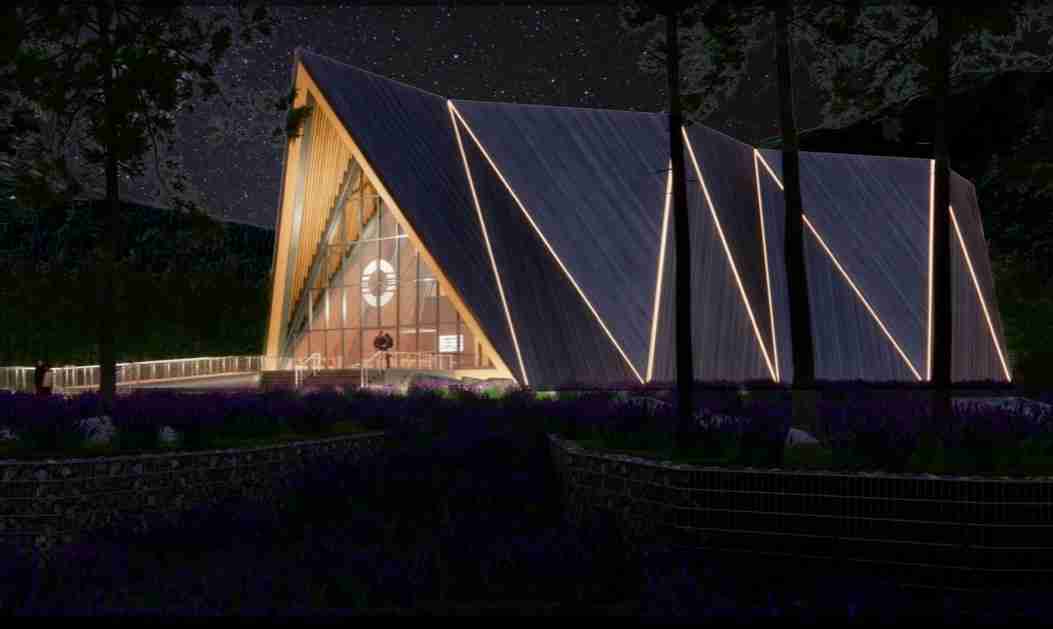
Aurora Powerhouse is Oklo’s first commercial plant-scale project using a sodium-cooled fast reactor design. Instead of water, liquid sodium moves heat within the core, enabling higher-temperature, low-pressure operation and supporting on-site fuel recycling that Oklo says will reduce long-lived waste and improve fuel efficiency. For detailed reporting on the project start, see Oklo breaks ground at Idaho site for first Aurora advanced reactor project.
Why this matters now
Advanced reactors such as Aurora are receiving renewed attention amid two policy drivers: the push to cut greenhouse gas emissions and the rising demand for reliable power for technologies like data centers and artificial intelligence. Supporters argue that advanced nuclear can provide steady, carbon-free electricity where intermittent sources struggle. See the Idaho National Laboratory feature for context on grid needs and research activity.
Groundbreaking and timeline
Officials from Oklo and INL held a ceremonial groundbreaking on federal land at INL on September 22, 2025, marking the transition from decades of research at the site toward a commercial plant. Project partners plan for Aurora to deliver commercial power by late 2027, a notably rapid schedule for a modern nuclear build. Coverage of the ceremony and schedule is available via NucNet’s report and local reporting such as Fox Business.
Jobs and local economy
Oklo projects that Aurora will support roughly 400 construction jobs during the build and about 80 permanent positions once operational. These figures combine direct hires and contractor roles and are expected to bring short-term construction activity and longer-term technical employment to Idaho, supporting workforce development and local supply chains. For the company’s announcement and numbers, see NucNet.
Technical details and safety questions
The sodium-cooled fast reactor design differs markedly from light-water reactors. Liquid sodium enables efficient heat transfer at higher temperatures without high pressure. Oklo describes on-site fuel recycling to reduce waste volume and improve fuel utilization. However, sodium is chemically reactive with water and air, so systems are engineered to prevent exposure and to contain leaks. Regulators will closely review safety and environmental plans during licensing; independent experts call for transparent reviews and clear spent-fuel handling strategies. Relevant technical context is discussed in the INL feature: INL prepares to operate new reactors.
“Advanced reactors show promise, but require rigorous, transparent safety reviews and clear plans for spent fuel,” say independent analysts.
Company and construction partners
Oklo, a private advanced-reactor company, is leading Aurora. The company selected Kiewit as the lead constructor, bringing large-scale construction experience to the site and underscoring the project’s commercial intent. Additional reporting on the Kiewit selection is available from NucNet.
How Aurora fits with other INL work
INL is a longstanding hub for nuclear research, hosting projects such as Project Pele and multiple microreactor tests. Those efforts are primarily research and demonstration; Aurora is positioned as a market-ready, commercial advanced reactor — potentially the first U.S. commercial advanced plant since the 1980s.
Environmental and national energy impacts
Oklo and supporters emphasize Aurora’s potential for carbon-free electricity, aligning with state and federal emissions targets and efforts to stabilize the grid. Proponents argue that commercial advanced reactors can bolster U.S. competitiveness in high-tech manufacturing; critics warn of cost, schedule risk and unresolved long-term waste policy. Official and media coverage includes reporting by NucNet and INL’s feature on new reactors (INL).
Wider reaction and policy context
Federal and state leaders have framed Aurora as part of a broader push for advanced nuclear. Supporters say public-private projects can anchor supply chains and create skilled jobs; environmental groups and some local advocates seek robust safety and waste plans before endorsing expansion. Aurora will be watched as a test case for the speed and cleanliness of commercial advanced-nuclear deployment in the U.S.
Implications for Las Vegas, Nevada
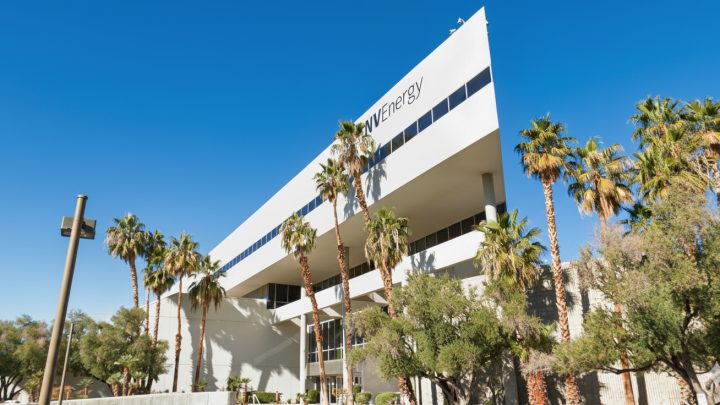
Economic and jobs angle: Las Vegas relies on tourism and a growing tech sector; reliable power from advanced reactors could support data centers, hotels and industrial growth. If Aurora demonstrates stable costs and output, Nevada utilities and developers might pursue similar projects or power-purchase arrangements, potentially creating regional supply-chain and operations jobs.
Energy reliability and growth: Rising electricity demand in Las Vegas — from data centers and expanded tourism — makes steady, carbon-free baseload power attractive. Advanced reactors could complement solar and storage to reduce blackout risk in extreme heat, though Nevada would likely evaluate outcomes in Idaho before acting.
Environmental goals & workforce: Nevada policymakers’ clean-energy targets could be supported by commercial advanced reactors, but local environmental groups will press for transparent waste-handling and cost clarity. Regional technical schools and unions could partner to prepare workers for potential future projects and supply-chain roles.
Reporting resources and sources
- Oklo breaks ground at Idaho site for first Aurora advanced reactor project — NucNet
- Groundbreaking coverage — Fox Business
- Idaho National Laboratory feature — INL
- Oklo selects Kiewit as the lead constructor — Oklo newsroom
- Advanced reactor company Oklo chooses Kiewit as lead constructor — NucNet
- Project Pele is breaking ground in Idaho — American Nuclear Society