Shutdown explained: Who works, who doesn’t and how much it costs as lawmakers clash over ACA premium tax credits and a ‘clean’ funding bill
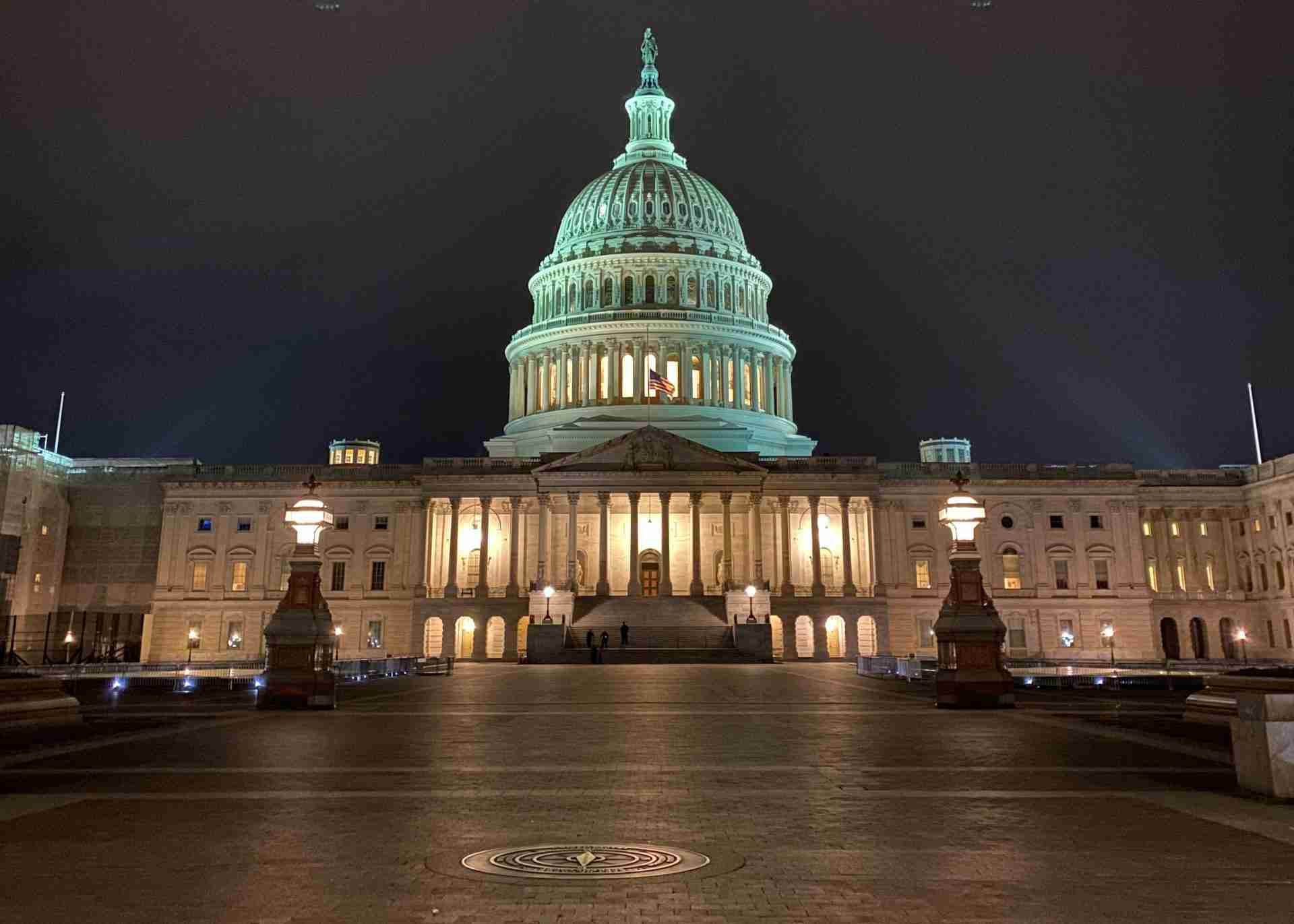
A government shutdown could begin Oct. 1, 2025, if Congress fails to pass appropriations or a CR amid a partisan fight over extending Affordable Care Act premium tax credits versus a ‘clean’ funding bill, risking furloughs and major disruptions.
Key takeaways
- Deadline: Congress must act by Oct. 1, 2025 or most federal agencies lose funding; see USAFacts.
- Main dispute: Democrats want to extend ACA premium tax credits; Republicans want a clean continuing resolution without policy riders (see USAFacts).
- Who works: Essential employees keep working (often without immediate pay); non-essential staff are furloughed — guidance summarized by Holland & Knight.
- Cost: No CBO estimate yet for this shutdown; past shutdowns cost billions in lost productivity — background at USAFacts.
What a shutdown is and how it starts
A government shutdown begins when annual appropriations or a stopgap funding bill expire and Congress has not agreed on new funding. When that happens, agencies suspend non-essential operations until lawmakers pass new spending measures. The Office of Management and Budget (OMB) issues guidance to agencies about furlough plans and which roles are essential; see reporting from USAFacts and legal guidance from Holland & Knight.
Who keeps working — and who does not
Federal employees are broadly split into two groups during a shutdown:
Essential employees
Essential workers must keep reporting to work. This includes military personnel, air traffic controllers, TSA agents, border security staff, many law enforcement officers and emergency medical personnel — roles tied to public safety and national security. Typically, these workers do not receive paychecks during the shutdown but generally receive back pay after funding resumes, per Holland & Knight.
Non-essential employees
Non-essential employees are furloughed — placed on temporary unpaid leave and not reporting for duty. This group often includes regulatory staff, many grant administrators and researchers, park rangers, and clerical employees. Note: the federal workforce has declined by about 3.2% in recent years, so fewer people may be affected directly than in earlier shutdowns (USAFacts; Holland & Knight).
Which services would continue
Services tied to safety, security and essential public health generally continue. Examples include national defense, air traffic control, and hospital care for veterans. Programs funded by mandatory spending, like Social Security and Medicare, are generally not affected the same way as discretionary programs funded by annual appropriations (Holland & Knight).
How much a shutdown costs
The Congressional Budget Office has not yet issued a specific estimate for this potential 2025 shutdown. Past shutdowns produced billions in lost output, delayed services, disrupted administrative operations, and required back pay when they ended. Businesses that contract with the government can lose revenue and employees miss paychecks; security and contingency measures can add to costs. For background, see USAFacts.
The political standoff: ACA premiums vs. a clean bill
At the center of negotiations are two competing demands:
- Democrats: Seek an extension of ACA Premium Tax Credits — subsidies that lower monthly insurance premiums for people who buy coverage on the exchanges. Analysts estimate extending those credits could add about 3.8 million people to the insured rolls but would increase deficits; one projection cited an increase of roughly $350 billion by 2035 if subsidies are extended (USAFacts).
- Republicans: Push for a “clean” continuing resolution that keeps funding at current levels without major new policy changes. The Republican proposal under discussion would run funding through Nov. 21 and include limited extensions for certain health and veterans programs while avoiding a broad subsidy expansion (USAFacts).
Both sides include increased security measures for federal officials in proposals, but the disagreement over healthcare subsidies remains the primary sticking point: Democrats argue subsidies prevent premium spikes and protect low- and middle-income households, while Republicans argue adding subsidies would increase the deficit and set a precedent of attaching major policy changes to stopgap funding.
Timeline and the stakes
Lawmakers face a tight calendar. If Congress does not act by midnight on September 30, agencies will begin implementing OMB-directed furloughs and essential-only operations. Effects would be immediate in some areas — park closures, delayed grant processing, halted nonurgent permits — and appear within weeks in others, like delayed contract work and slower regulatory review (USAFacts; Holland & Knight).
Special stakeholders include federal contractors, state and local governments reliant on federal grants, and people who receive discretionary federal services. About 8% of Americans remain uninsured, which adds urgency to the subsidy debate for those dependent on ACA plans (USAFacts).
Practical examples of impact
- Pay and furloughs: Federal employees may be furloughed and miss paychecks until funding resumes; essential employees work without immediate pay and usually receive back pay once Congress acts (Holland & Knight).
- Permits and approvals: Regulatory approvals and permits can be delayed, slowing construction and other projects (USAFacts).
- Parks and research: National parks and museums may close; research grants and peer reviews can be paused (USAFacts).
- Contractors: Government contractors may not be paid promptly, forcing some small firms to lay off staff or pause work (USAFacts).
Implications for Las Vegas, Nevada
Economic effects: Las Vegas relies on tourism, hospitality and federal services tied to travel and public safety. A shutdown could close federal lands temporarily and reduce regulatory activity that affects construction and infrastructure. Federal contractors and small businesses serving federal facilities could face cash-flow issues if payments are delayed (USAFacts).
Federal employee furloughs: Southern Nevada includes TSA agents at Harry Reid International Airport, Veterans Affairs staff, Social Security employees and Border Patrol personnel. TSA and law enforcement personnel are typically essential and would continue working (potentially without pay); other federal employees supporting grants, research, or administration could be furloughed, increasing local financial pressure (Holland & Knight).
Healthcare and ACA Premium Tax Credits: Nevada expanded Medicaid under the ACA, and many residents buy coverage on the exchange. If subsidies are extended, exchange enrollees could see lower premiums; if action is delayed into open enrollment uncertainty, premium expectations and enrollment could be disrupted (USAFacts).
Public services and safety net: Local services that depend on federal grants — housing assistance, child care subsidies, education grants — could see delays in funds or approvals, affecting vulnerable families and social-service providers in Clark County and surrounding areas (USAFacts; Holland & Knight).
Practical steps for residents and businesses
- Check directly with federal agencies about service changes (for example, the Department of Veterans Affairs or Social Security).
- Workers who may be furloughed should plan for missed pay periods, review emergency savings, and contact local unemployment or community services if needed.
- Businesses contracting with the federal government should review contracts and prepare for delayed payments or paused work.
If you want agency-by-agency details about which Las Vegas-area federal services would be affected, or templates for outreach to congressional offices, I can prepare that information with links to agency shutdown plans and local contacts.
Source notes and guidance
This reporting draws on public briefings and legal and nonprofit summaries about shutdown rules and likely impacts. Key sources include the USAFacts shutdown explainer, a legal advisory from Holland & Knight, and compiled resources from the Society for Research in Child Development (SRCD). The CBO has not yet issued a specific estimate for this potential shutdown.
Preserve original facts and sources: USAFacts; Holland & Knight; SRCD.