Treasury’s Bessent: No NYC Federal Bailout if Mamdani’s Affordability Policies Trigger Crisis — “Drop Dead” Warning
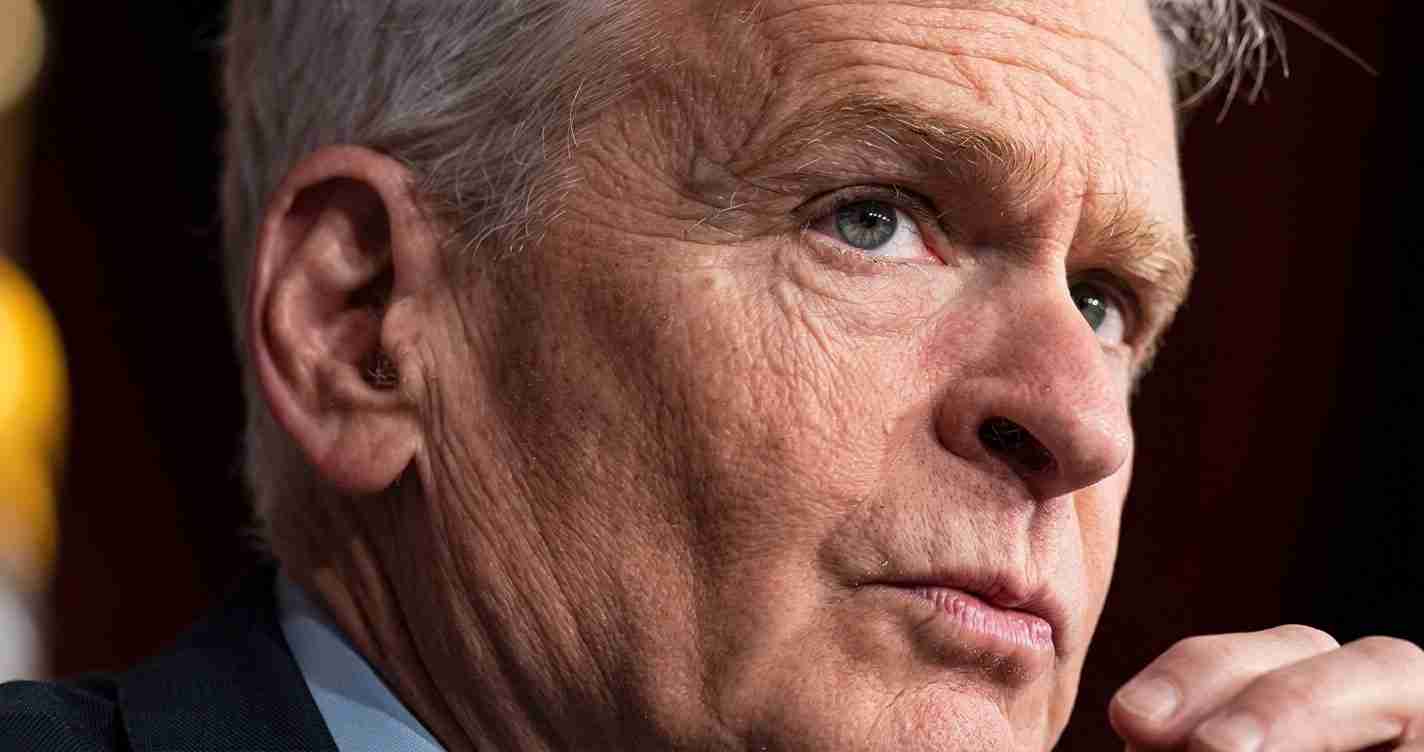
Treasury Secretary Scott Bessent warned the federal government would not bail out New York City if mayoral candidate Zohran Mamdani’s affordability proposals—like rent freezes and free buses—trigger a fiscal crisis, invoking the 1975 “Drop Dead” refusal.
- Federal refusal signaled: Bessent said Washington would not rescue NYC if Mamdani’s plans cause fiscal distress (AOL, Strait Times, video clip).
- Mamdani’s agenda: Rent freezes, free city buses, city-owned grocery stores, free childcare paid by higher corporate taxes and a 2% surcharge on incomes over $1 million.
- Historic parallel: Bessent explicitly referenced the 1975 “Drop Dead” moment to emphasize a hard line against federal intervention.
- Unanswered fiscal questions: Public records lack detailed models showing how proposed revenues would cover program costs.
Bessent’s warning: what he said and why it matters
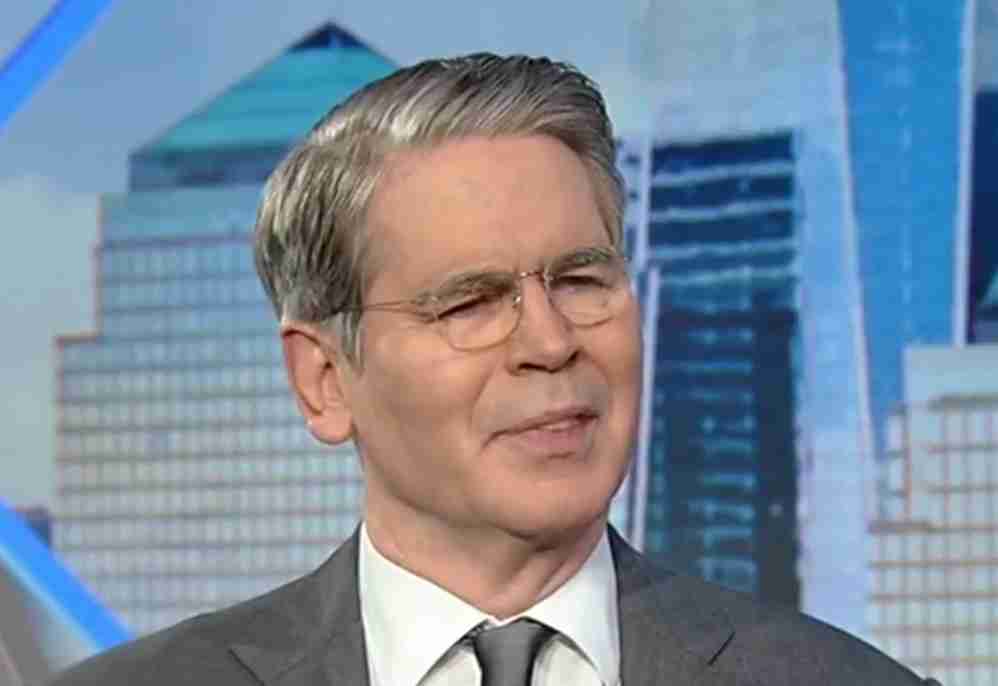
In a televised interview, Treasury Secretary Scott Bessent delivered a stark message: if New York City adopts what he described as unsustainable affordability measures, the federal government will not step in to resolve any resulting fiscal fallout.
“I guarantee you — and there are not a lot of things in life that are sure — that New York City will be coming to the federal government for a bailout if the Mamdani plans are implemented. … It will be the same thing that Gerald Ford said: ‘Drop dead.’”
Bessent did not specify line items within Mamdani’s proposals that would force a cash crunch. Instead, he framed the package as broadly unsustainable and tied his warning to macro concerns — higher interest rates, housing costs, and fiscal stability. He compared refusing a municipal bailout to resisting international rescues the administration opposed, citing past stances involving countries such as Argentina (video clip).
Mamdani’s affordability platform: what he proposes
Zohran Mamdani centers his campaign on affordability. His key proposals include:
- Rent freezes across the city.
- Free city buses to lower commuting costs.
- City-owned grocery stores aimed at reducing food prices.
- Free childcare to ease family expenses.
- Revenue sources: higher corporate taxes and a 2% surcharge on incomes above $1 million.
Mamdani’s campaign frames these policies as direct relief for New Yorkers dealing with rent, transit and child care costs. The campaign maintains revenue plans will cover programs without cuts, but it has not publicly produced detailed fiscal models that show the math.
Historical context: the 1975 “Drop Dead” moment
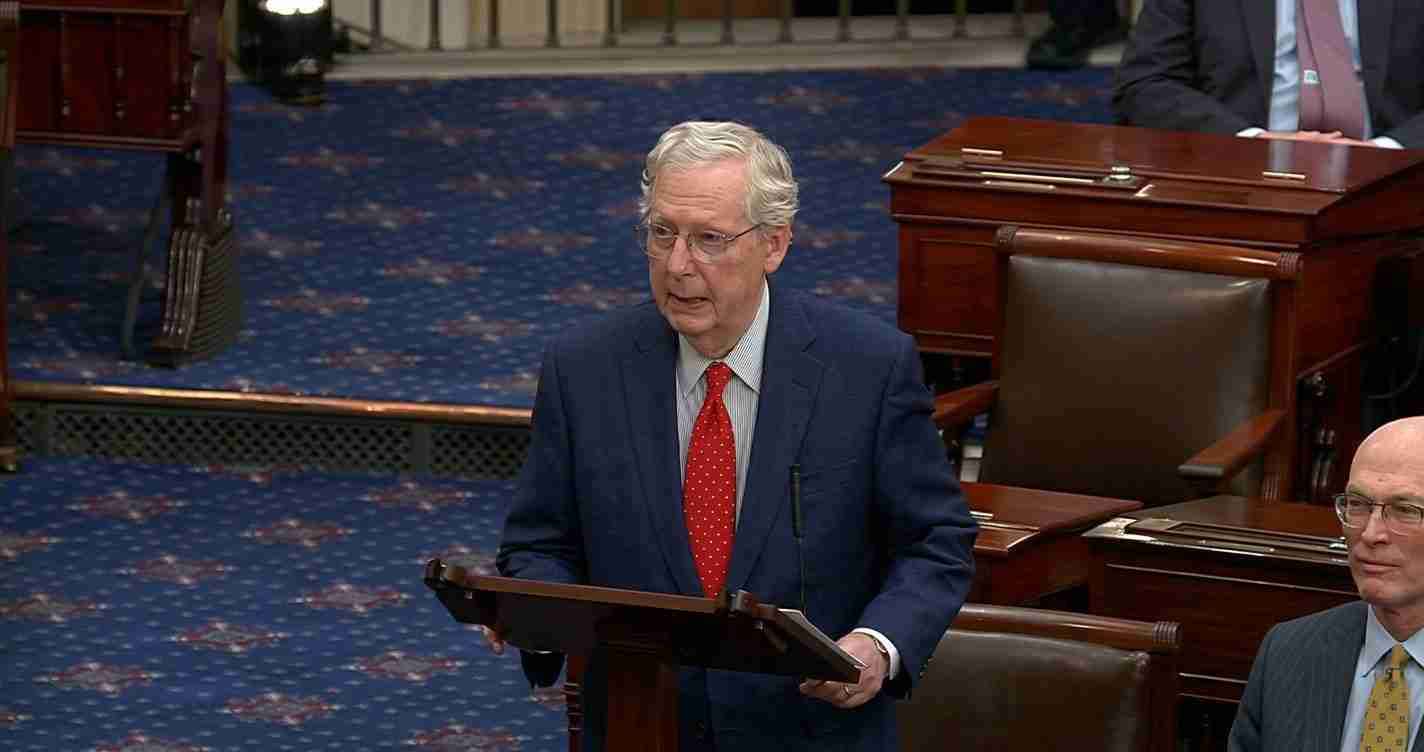
Bessent deliberately invoked one of New York’s most remembered fiscal episodes. In 1975, with the city near bankruptcy, President Gerald Ford resisted a direct federal rescue; newspapers summarized the stance with the headline “Ford to City: Drop Dead.” By referencing that episode, Bessent signals willingness to let local or market remedies play out rather than mandate federal intervention (Strait Times).
Economic arguments and uncertainties
Bessent situated his warning within broader economic concerns: elevated interest rates have increased borrowing costs, strained household budgets and made city-financed projects pricier. He suggested those pressures, combined with ambitious local spending, could create a fiscal squeeze.
What’s missing: The public record does not provide explicit analyses linking specific Mamdani policies to municipal collapse. Analysts and voters are left wanting:
- Projected revenue from proposed taxes and surcharges.
- Cost estimates for rent freezes, free transit, and free childcare.
- Contingency plans and reserve projections for potential cash shortfalls.
Without transparent fiscal modeling, the debate risks emphasizing rhetoric over numbers. Bessent’s public warning raises the stakes and underscores the need for clear, replicable budgets and stress tests.
Political dynamics: ideology, allies and opponents
Bessent cast Mamdani as a progressive aligned with national figures and ideas the administration opposes, using the label to underscore ideological differences. The exchange highlights deep divisions between federal fiscal officials and city-level progressives over solutions to the cost-of-living crisis.
Supporters of Mamdani argue aggressive city action is essential to blunt rising rents and everyday costs. Critics counter that municipal governments must present balanced plans that marry ambition with fiscal reality. Bessent’s remarks nationalize a local debate about risk allocation — whether local governments should shoulder experimental programs or whether taxpayers at higher levels should backstop failures.
What’s missing from the public record
- Detailed fiscal models showing how proposed taxes would cover program costs.
- Specific examples from Bessent identifying which policies would cause a cash shortfall.
- Immediate public comment from Mamdani’s campaign responding directly to the “drop dead” warning at the time reports were filed.
Implications for Las Vegas, Nevada
Economic impact
- Nevada cities will monitor federal and state reactions; a clear Washington refusal to backstop big-city policies may prompt more conservative local budgeting.
- Las Vegas relies on tourism and hospitality taxes; a national debate on bailouts could affect investor confidence in municipal bonds and increase borrowing costs for infrastructure.
Political consequences
- The Bessent–Mamdani clash offers Nevada politicians a template for arguing fiscal responsibility versus local relief, pressing urban moderates to demand clear financial projections.
- State officials who support progressive municipal policies may face pressure to provide guardrails and contingency plans to avoid a “drop dead” scenario.
Social effects
- The debate underscores limits of relying on higher-level bailouts; Las Vegas residents may push for local solutions that don’t assume federal backstops.
- Low- and middle-income Nevadans watching New York will evaluate parallels and impacts on local housing and transit policy debates.
Cultural relevance
- Las Vegas’s policy shifts tied to tourism cycles mean some voters prioritize fiscal prudence and risk management — themes local candidates may amplify.
Practical applications
- City managers may accelerate contingency planning: conservative reserve policies, stress-testing budgets against rate shocks, and clearer tax revenue estimates.
- Nonprofits and service providers should prepare for potential tightening of city budgets if municipalities nationwide respond to federal signals.
Sources and where to find more
- Full coverage of Bessent’s comments and reporting on Mamdani’s platform — AOL.
- International reporting on the “Drop Dead” reference and the federal stance — Strait Times.
- Video clip of the Fox Business interview containing Bessent’s remarks — YouTube.
Byline: New York, New York (Times Media Service) — reporting based on aggregation of public sources.