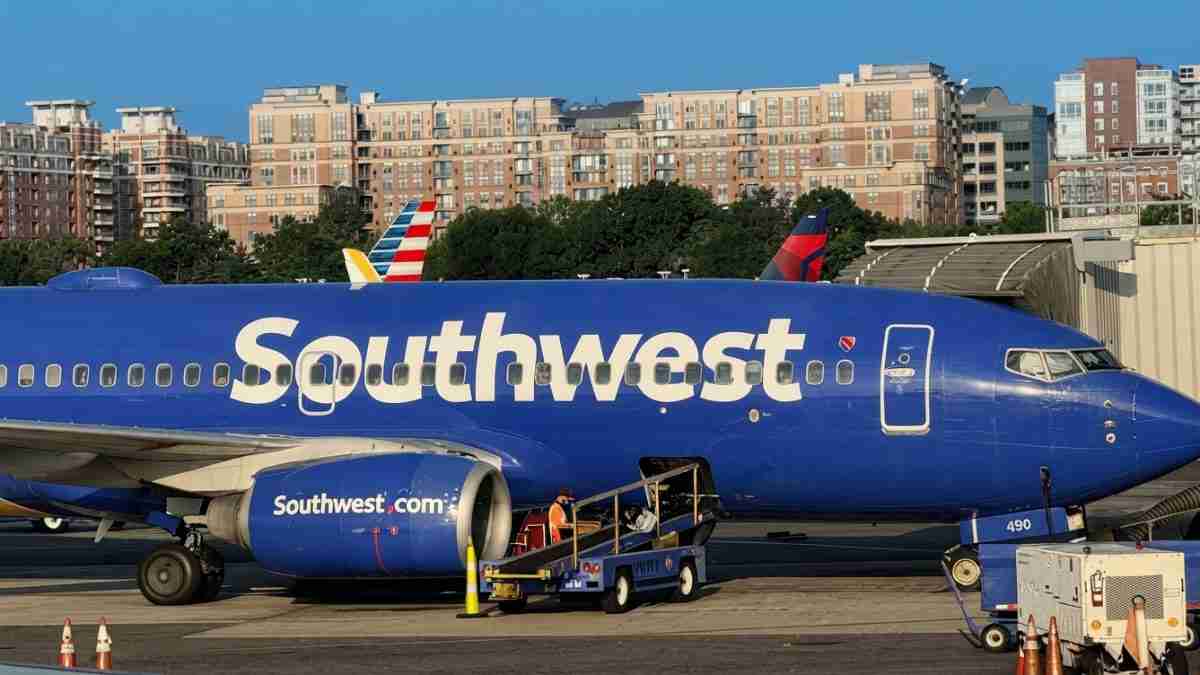
WASHINGTON, July 18 (DC Times Online) — Airlines are warning that changing daylight saving time would do more than move the clock. It could force airlines to reshuffle flights, crews and aircraft across tightly connected networks that stretch across borders.
What airlines are warning about
Airlines for America, the U.S. trade group that represents major carriers, says changing current daylight saving time practices would have “considerable implications for aviation.” In its statement, the group said the effects could include passenger disruption, problems with crew and aircraft positioning, and trouble keeping domestic and international connections on time.
The group also said airlines depend on “stability and predictability” because they run “expansive interconnected domestic and global networks.” Any change, it said, would need an implementation timeline that reflects “global complications.”
Why a clock change affects flights
Airline schedules are built far in advance and depend on matching departures, arrivals, crew duty times and connecting banks of flights. When clocks shift, the timing of those pieces shifts too. That matters most on routes that connect multiple cities and time zones, where even a one-hour change can affect whether a connection works or a crew reaches its next assignment on time.
That is why airlines say a change to daylight saving time is not just a calendar issue. It is an operational one.
What the European industry says
A separate joint position paper from Airlines for Europe, Airlines International Representation in Europe, the European Regions Airline Association and the International Air Transport Association makes the same basic point for Europe.
The paper says ending seasonal clock changes would have a significant effect on aviation and consumers at both European and global levels. It warns that any change would need to be synchronized across all European Union member states to avoid chaos, disruption and missed flights.
The paper also says airlines would need long lead times to plan for a new schedule system, recommending at least 18 months in advance. It says re-timing flights could require major rescheduling worldwide and may take years because of slot constraints.
At busy airports, slots are the assigned takeoff and landing times that keep traffic moving. If many airports changed their clocks or schedule rules at different times, those slots would have to be reworked across multiple countries.
The paper gives one example: the Europe-North America market includes more than 35,000 flights in July and August to and from congested European airports.
What would have to happen in the U.S.
In the United States, daylight saving rules are set by federal law, so changing the system would require action from Congress. That makes any shift a policy decision as well as an airline operations problem.
The basic issue for airlines is timing. Flights are not moved one at a time. They are part of an interlocking system that includes aircraft rotation, crew schedules, airport capacity and international connections. That is why airlines and industry groups say any daylight saving time change would need a careful rollout rather than an immediate switch.
For travelers, the practical result would likely be more than just a new time on the clock. It could mean altered departure times, changed connections and a temporary period of disruption while airlines reset their networks.