Health advisories issued for three Panama City Beach sites after high enterococci levels detected
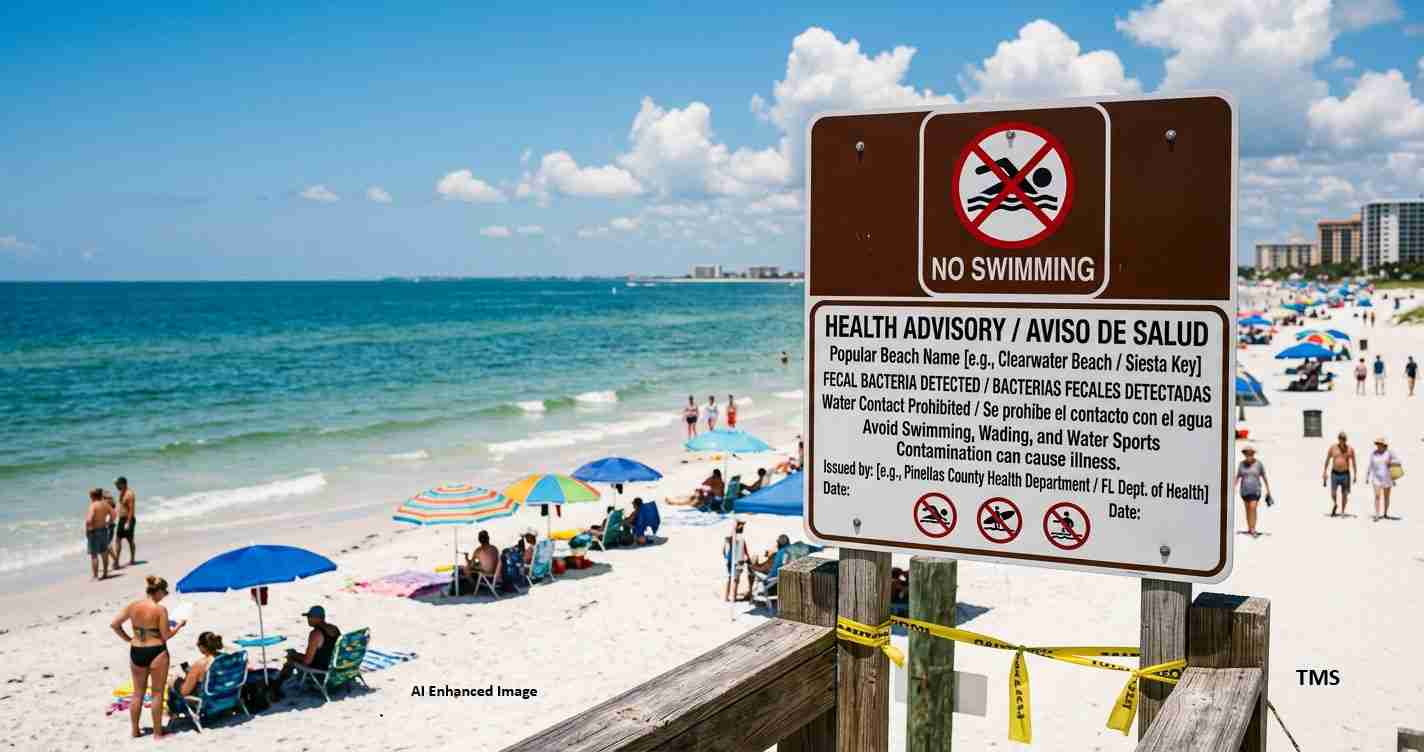
Health advisories were issued for Laguna Beach, Beach Drive and Carl Gray Park in Panama City Beach after routine testing found elevated enterococci levels indicating fecal contamination; officials urge avoiding swimming or water contact until safety is confirmed.
- Three Panama City Beach sites: Laguna Beach, Beach Drive and Carl Gray Park are under health advisories due to elevated enterococci (Fox Weather).
- Enterococci indicate fecal contamination and are linked to higher risks of gastrointestinal and other infections (U.S. Environmental Protection Agency).
- Likely cause: recent heavy rainfall and flash flooding that drove stormwater runoff into coastal waters (Fox Weather; Bay County FDOH).
- Public guidance: avoid swimming or direct water contact at the affected sites until re-testing shows bacteria levels are within state limits (Bay County FDOH).
What happened and where
The Florida Department of Health in Bay County conducted routine water sampling at multiple Panama City Beach locations and detected elevated enterococci bacteria at Laguna Beach, Beach Drive, and Carl Gray Park. Officials issued health advisories on Tuesday warning the public that, in their words,
“excess bacteria found in the water”
could increase the risk of illness from contact with or swallowing the water. The beaches remain open for beachgoers but are strongly advised against for swimming until follow-up lab results confirm the water meets state standards (Fox Weather).
What enterococci are and why they matter
Enterococci are intestinal bacteria found in warm-blooded animals and are used as indicator organisms in marine and freshwater testing. Their presence suggests fecal contamination from sources such as sewage, septic system leaks, pet or wildlife waste, or runoff carrying these materials into recreational waters. Elevated enterococci counts correlate with increased risk of gastrointestinal illness, ear/nose/throat infections, skin rashes and wound infections (U.S. Environmental Protection Agency).
Likely causes: runoff after heavy rains
Investigators and public-health officials point to recent heavy rainfall and flash flooding in parts of Florida as a likely driver of the bacteria spike. Stormwater runoff can mobilize animal waste, failing septic systems and other contaminants and carry them into coastal waters, producing short-term increases in fecal indicator bacteria such as enterococci — a pattern documented in state and federal beach-monitoring guidance (Fox Weather; Bay County FDOH).
Health risks and who is most vulnerable
The Florida Department of Health in Bay County cautions that higher bacteria counts increase the chance of illness after water exposure. Common symptoms include nausea, vomiting, stomach pain, diarrhea, fever, earaches, sore throats, skin rashes and wound infections. People with weakened immune systems, chronic illnesses, or open cuts are at higher risk of more serious complications; officials advise extra caution or avoiding contact with the water (Bay County FDOH).
Official guidance during the advisory
- Avoid swimming, wading or other direct water contact at Laguna Beach, Beach Drive and Carl Gray Park until the advisory is lifted (Fox Weather).
- Do not swim with open cuts; if water enters a wound, wash immediately with soap and clean water (Bay County FDOH).
- People with chronic illnesses or weakened immune systems should stay out of the water (Bay County FDOH).
- Follow Florida’s “swim it or shore it” advice: swim with a buddy, check flags and posted advisories; shore it if you have an open wound, weak immune system, or notice algae blooms (Bay County FDOH).
How long an advisory lasts and how it’s lifted
Advisories remain in effect until follow-up testing shows enterococci levels have dropped below state health thresholds. Bay County health officials conduct periodic re-testing and lift advisories only after lab results demonstrate consistently safe bacteria counts. The advisory duration can range from a few days to longer, depending on weather, runoff conditions and contamination sources (Fox Weather; Bay County FDOH).
Practical steps for residents and visitors
- Check current advisories before entering the water — Bay County posts testing and advisory information online (Bay County FDOH).
- Avoid swallowing seawater and minimize time with water near your face; shower with soap after beach visits and promptly clean any wounds.
- If you swam in affected beaches and develop diarrhea, fever, severe ear pain, persistent skin redness or wound issues, contact a health care provider and mention recent seawater exposure (Bay County FDOH).
How this fits into broader Florida beach monitoring
Florida routinely monitors beaches for indicator bacteria and issues advisories when readings exceed state criteria. The purpose is to inform the public so individuals can decide whether to enter the water. Most illnesses linked to these exposures are mild and resolve without long-term effects, but advisories protect those most at risk and help limit unnecessary infections (Bay County FDOH).
Implications for Las Vegas, Nevada
The Panama City Beach advisory has several practical takeaways for Las Vegas residents, health providers and public-health planners:
Travel and tourism planning
Las Vegas travelers heading to Florida beaches should check local advisories (such as the Panama City Beach bacteria advisory) before swimming. Trips centered on beach activities may need adjusting if enterococci levels remain high; verify water conditions before departure (Fox Weather).
Health messaging and provider readiness
Hospitals, urgent care clinics and travel medicine providers in Las Vegas should be ready to advise returning travelers about Florida beach exposure risks and symptoms to watch for. Providers can expect questions about gastrointestinal or skin symptoms after beach visits (Bay County FDOH).
Local public-health parallels
Las Vegas faces runoff and water-quality challenges during heavy rain events. The Bay County advisory underscores the link between stormwater and recreational water safety; Nevada agencies can apply similar monitoring and public-alert strategies to protect swimmers in Lake Mead, the Colorado River corridor and local reservoirs (EPA).
Consumer safety for families
Family-oriented travelers from Las Vegas should treat advisories seriously. If planning a visit to Panama City Beach or other Gulf Coast destinations, review beach advisories and encourage children and those with health vulnerabilities to avoid water contact at affected sites until officials lift the warnings (Bay County FDOH).
For the latest updates on the Panama City Beach bacteria advisory and testing results for Laguna Beach enterococci and other sites, check the Florida Department of Health in Bay County beach program page and local news outlets.