Silver Whisper diverts through storms to pluck injured sailor nearly 500 miles offshore
On May 26, 2026, Silversea ship Silver Whisper diverted to rescue a 74‑year‑old Canadian mariner from a disabled, de‑masted sailing vessel nearly 500 miles off Oregon, battling gale‑force winds and 30‑foot seas and treating him onboard.
Key takeaways
- Closest-ship rescue: The U.S. Coast Guard used AMVER and directed the Silver Whisper to divert when aircraft could not reach the scene.
- Remote and dangerous: The incident occurred ~489–500 miles offshore in gale‑force winds and reported 30‑foot seas, precluding a helicopter lift.
- Onboard care: Silversea’s medical team treated the 74‑year‑old Canadian mariner for a shoulder injury while the ship made passage to Vancouver.
Main report
Key information
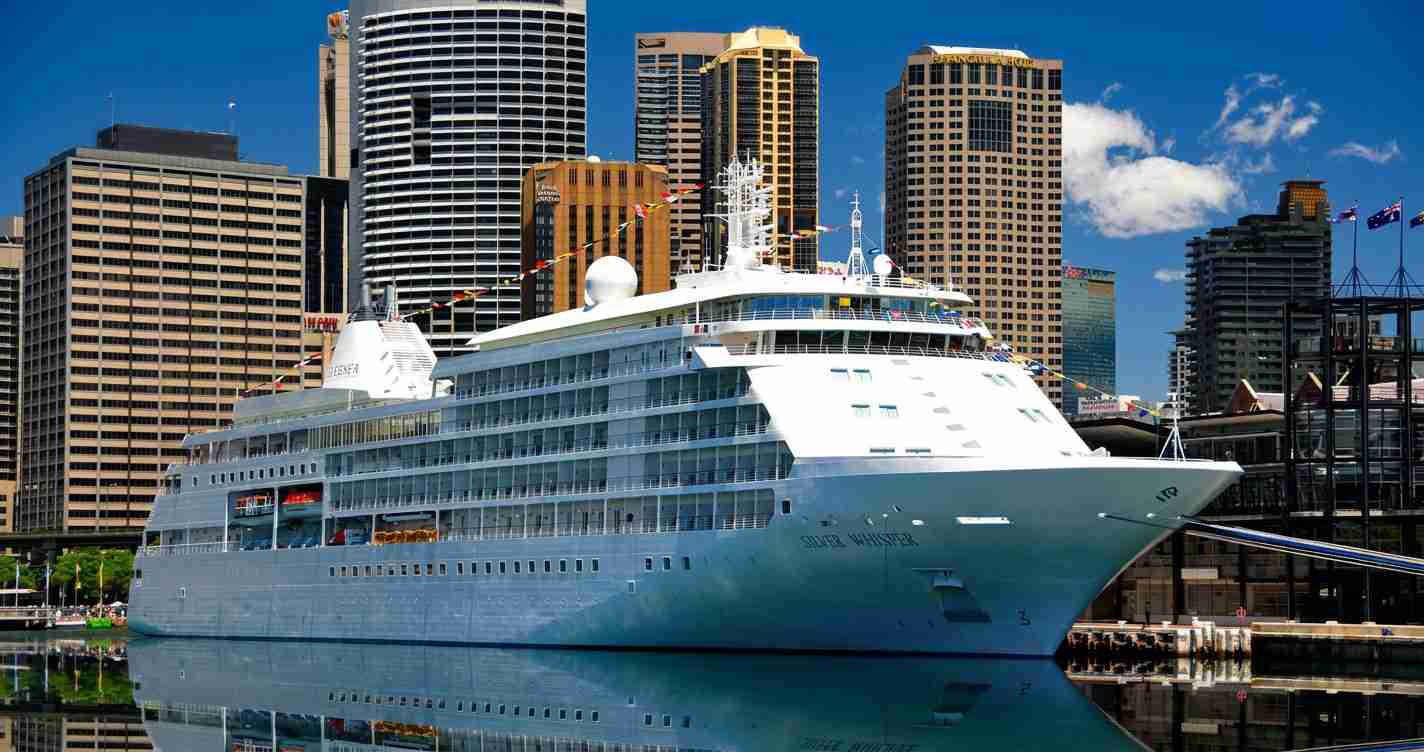
Vessel: Silver Whisper, a 392‑guest, 28,258‑gross‑ton Silversea ship owned by Royal Caribbean Group. Source: ship details.
Date: May 26, 2026. Source: U.S. Coast Guard press release.
Victim: 74‑year‑old Canadian mariner aboard a 29‑foot sailing vessel that lost power and was de‑masted. Source: U.S. Coast Guard.
Conditions: Gale‑force winds and reported 30‑foot seas; location nearly 500 miles offshore, too far for routine helicopter lift. Source: U.S. Coast Guard.
Response: The Coast Guard requested the closest capable vessel via AMVER; Silver Whisper spent about seven hours reaching the disabled boat and brought the sailor aboard for treatment. Sources: U.S. Coast Guard, CruiseHive, Marine Insight.
How the rescue unfolded
The U.S. Coast Guard coordinated the response after a distress relay reported a mariner nearly 489 miles off the Oregon coast. The 29‑foot sailing vessel — reported in agency notes to be de‑masted with an inoperable engine — encountered gale‑force winds and very heavy seas while making passage from Hawaii to British Columbia, according to the U.S. Coast Guard press release.
Because the scene was so remote, aircraft maintained overwatch but a helicopter lift was deemed unsafe. The Coast Guard used AMVER and other communications to identify the closest capable ship. The Silver Whisper, finishing a 24‑night voyage from Papeete, Tahiti, and heading to Vancouver, was directed to divert and assist — a decision documented by the ship overview and in Coast Guard reporting.
“A needle in a haystack,” one passenger wrote on social media, describing hours of searching without exact coordinates as the ship battled rough seas.
Passenger posts reported the ship took about seven hours to reach the disabled boat. Guests recalled being asked to return to cabins as the ship’s stabilizers were collapsed to perform the maneuver safely in heavy seas, as covered by CruiseHive.
What crews found and how the sailor was treated
When Silver Whisper’s crew located the disabled vessel — variously reported as “Alice” or “April Alice” in passenger and industry accounts — they found a dismasted sailing boat and a 74‑year‑old Canadian mariner with a shoulder injury. The Coast Guard confirmed the mariner’s age and nationality in its public statement (U.S. Coast Guard).
Silversea’s onboard medical team treated the injured man for his shoulder while the ship steamed toward Vancouver, where further care was to be arranged. Industry reporting and passenger accounts provide the operational color and timeline for the boarding and transfer (CruiseHive; Marine Insight).
Why commercial vessels are pressed into service
The AMVER system and Coast Guard protocols direct nearby commercial vessels to assist when federal assets cannot safely complete a rescue. Large passenger ships like Silver Whisper often have medical staff and facilities capable of stabilizing patients until they can be transferred ashore, which is why they are identified as suitable responders in remote incidents (U.S. Coast Guard).
Silversea markets Silver Whisper as a luxury vessel with modern medical and safety capabilities — spas, entertainment and dedicated medical staff — factors that made it appropriate for taking a seriously injured person aboard in remote waters (see the ship overview).
Sources and confirmation
The U.S. Coast Guard’s public statement is the primary authoritative source for operational details — distance offshore, the mariner’s age and nationality, and the agency’s coordination role: U.S. Coast Guard press release. Passenger posts and cruise‑industry outlets supply on‑scene color and timelines, including the reported seven‑hour diversion (CruiseHive; Marine Insight; Mad About Cruises).
Investigative notes: open questions and verifiable facts
- Confirmed: Coast Guard coordinated rescue; Silver Whisper brought injured mariner aboard; onboard treatment provided; distance offshore ~489–500 miles; mariner age 74, Canadian citizen (U.S. Coast Guard).
- Reported but varying: the disabled vessel’s name (reported as Alice or April Alice) and precise timeline from first distress to boarding; passenger posts reported seven hours to reach the sailor (CruiseHive).
- Confirmed conditions: gale‑force winds and 30‑foot seas at time of distress (U.S. Coast Guard).
Implications for Las Vegas, Nevada
Economic impact: Las Vegas is a major travel hub; ship diversions can ripple into airlines, hotels and travel agents when passengers miss flights after an at‑sea rescue. Last‑minute demand for flights and rooms could increase following diversions, and travel insurance claims may rise.
Traveler safety and expectations: The incident highlights how cruise ships can act as first responders far from shore. Las Vegas travel advisors and consumer groups may need to better inform clients about onboard medical capabilities and the value of medical‑evacuation insurance for remote itineraries.
Local emergency planning: Although inland, Nevada has many residents who sail from West Coast ports. This event underlines the AMVER system’s reliance on commercial vessels and the importance of mariners carrying safety gear and clear emergency plans.
Political and regulatory considerations: Nevada officials and industry representatives may press for stronger consumer protections for passengers affected by diversions, while the incident itself exemplifies multinational coordination between the Coast Guard, a Canadian mariner and an international cruise company.
Social effects: Stories like this resonate with Las Vegas travel communities and can spur interest in maritime safety, training and preparedness for long solo passages.
Practical applications for residents
- Verify a cruise line’s medical capabilities before booking remote itineraries.
- Consider medical‑evacuation and comprehensive travel insurance for transoceanic trips.
- Allow flexible flight plans and contingency time when booking return travel after long cruises.
- Travel agents should brief clients on how remote rescues and diversions are handled at sea.
Sources and further reading
- U.S. Coast Guard press release: “Coast Guard coordinates rescue of injured mariner 489 miles off the Oregon Coast”
- CruiseHive coverage: “Cruise ship battles rough seas to rescue injured sailor on dismasted boat”
- Marine Insight: “Luxury cruise ship rescues injured sailor from disabled vessel in Pacific Ocean”
- Mad About Cruises: “Silver Whisper sailor rescue”
This report draws on the U.S. Coast Guard’s official account and passenger reporting to reconstruct events and examine how a luxury cruise ship became a lifeline for an injured mariner nearly 500 miles offshore.