Cruise door decorations spark fierce debate after Royal Caribbean tightens rules
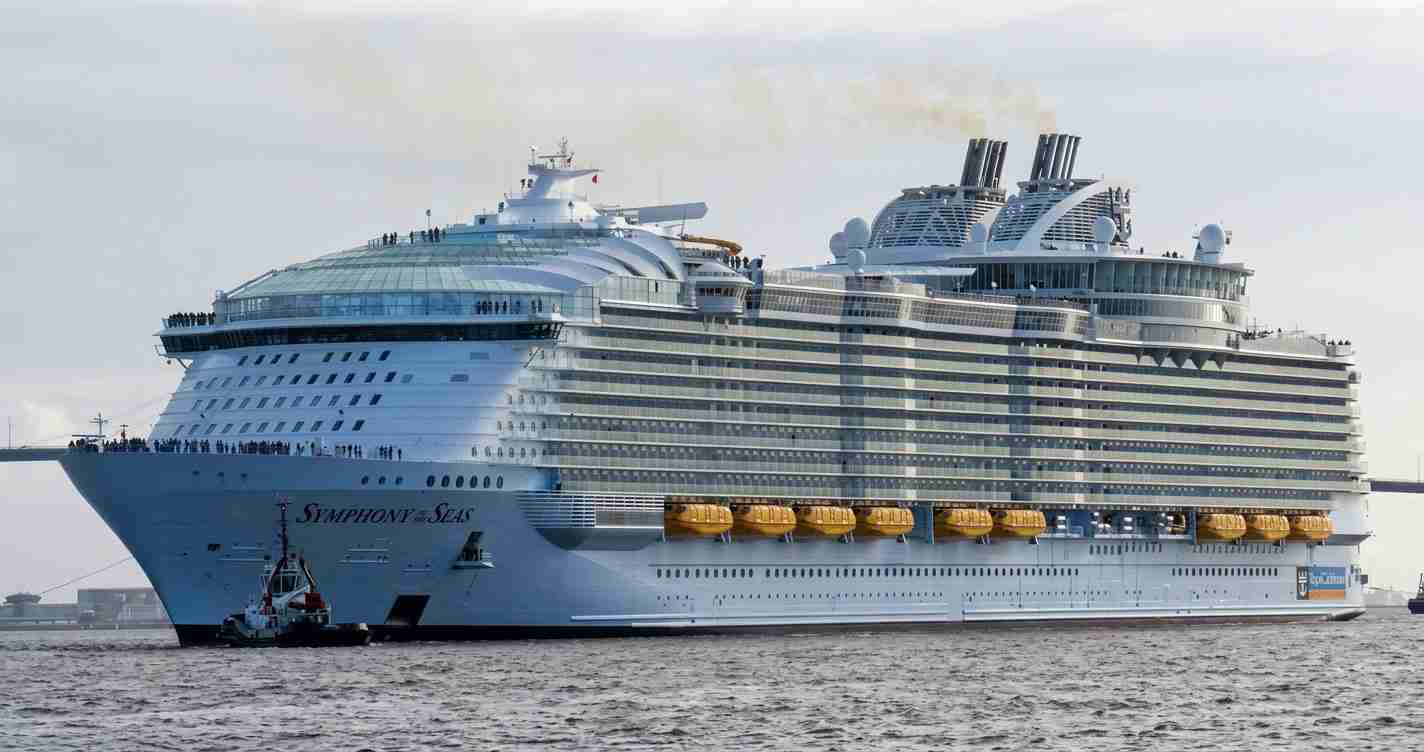
Royal Caribbean’s new ban on decorations aboard Symphony of the Seas has reignited debate as passengers lament losing a festive navigation aid while lines cite safety, fire risk and damage concerns. Here’s what travelers and operators say.
- Royal Caribbean issued a strict notice forbidding materials on interior surfaces — including stateroom doors — sparking heated discussion. (Source: Cruise Hive)
- Passengers value decorations as both festive tradition and a practical way to find cabins in long, similar hallways.
- Cruise lines defend rules on grounds of fire safety, damage prevention and incidents of theft or vandalism. (Source: Cruise Hive)
What passengers love about door decorating
For years, vacationers have brightened stateroom doors with personalized signs, colorful magnets and festive banners. Many travelers describe the practice as part of the social fun of cruising and a simple navigation tool down long, identical hallways.
“Long cruise ship hallways often look identical, making it easy to walk past the correct room,” one Reddit user wrote in a thread captured by Cruise Hive. Another passenger recounted how door decorations helped a group of six friends with drink packages find their door.
The practice also fuels onboard celebrations — birthdays, anniversaries and bachelor/bachelorette parties — and many cruisers keep custom magnets as keepsakes from trips.
Royal Caribbean rules and the notice that started the latest debate
The immediate spark for the controversy was an official notice distributed aboard Royal Caribbean’s Symphony of the Seas. The letter, obtained by Cruise Hive, outlines guidelines stating materials are prohibited anywhere on the ship interior, including stateroom doors and corridors. The strict wording surprised passengers who expected leniency for small magnets and light decorations.
Cruise lines cite safety and damage concerns
Operators point to several operational risks that underpin tighter enforcement:
- Fire risk: Doors and walls must meet strict fire-safety ratings. Decorations not made of fire-retardant materials or those using electrical items (like string lights) can pose hazards; Carnival, Disney and other lines have similar guidance. (Source: Cruise Hive)
- Property damage: Heavy adhesives — superglues, duct tape, even some removable strips — can ruin paint or metal finishes on doors, leading to costly repairs and downtime for cabins.
- Operational simplicity: Uniform rules are easier to enforce on large ships than case-by-case judgments about individual items.
Theft and onboard disputes widen the debate
Enforcement has also been driven by reports of theft and vandalism. Passengers have documented magnets and decorations disappearing mid-voyage, and others report pranks or deliberate removal and defacement of items.
“I knew someone who experienced theft. The individual had personalized sailing magnets stolen,” one Facebook commenter wrote, according to Cruise Hive.
Such incidents across multiple lines — Princess, Carnival, Disney and others — have prompted operators to clarify or tighten rules after repeated problems.
How passengers are responding
Reactions among cruisers are mixed:
- Some will stop decorating to avoid fines or confrontation.
- Others seek workarounds: using less distinctive magnets, photographing door decorations as proof, or relying on interior door-hung signs and phone photos.
- Many feel aggrieved that a few bad actors have prompted blanket policies affecting responsible travelers.
The operational side: why enforcement is gaining steam
Modern megaships carry thousands of passengers whose doors line long corridors. For crew and safety officers, consistent rules reduce ambiguity. Insurers and regulators also push for strict adherence to fire codes and property protection, while uniform enforcement helps limit onboard confrontations that require security intervention.
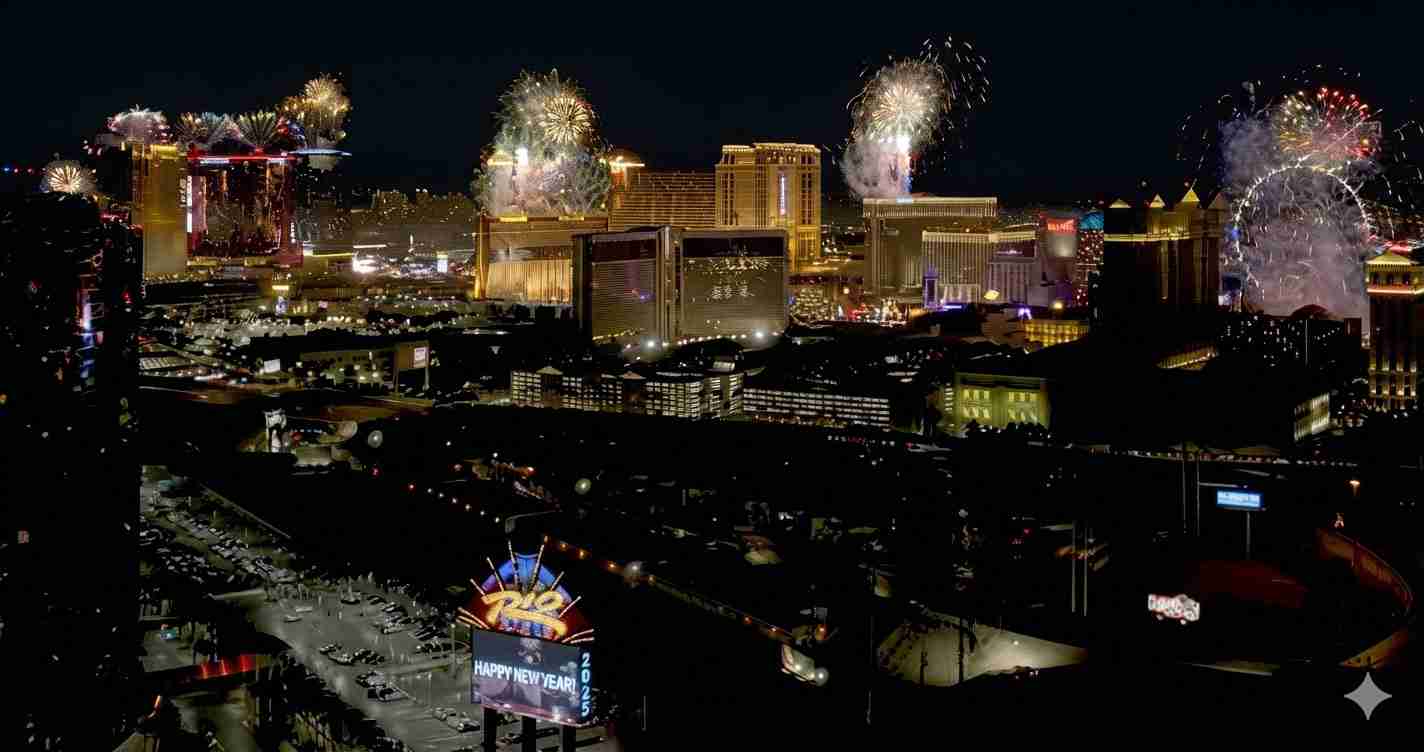
Implications for Las Vegas, Nevada
Las Vegas is a significant market for cruises — many residents and party groups depart from or book trips through local agents. Changes to door-decoration policies have localized economic, political and cultural implications:
Economic impact
Travel agencies and tour operators who once marketed door-decorating as part of the cruise “experience” may shift focus to onboard events, private group meetups or pre-cruise packages sold in Las Vegas.
Political consequences
The issue is unlikely to become a major local policy fight, but consumer advocates could press for clearer communication at booking so travelers know rules before they embark.
Social effects
Groups that rely on visible exterior decorations for bachelor/bachelorette and milestone trips may move celebrations to suites, pre-cruise gatherings in Las Vegas, or adopt alternatives like matching shirts or wristbands.
Cultural relevance
In a city built on pageantry and public celebration, the loss of visible rituals such as stateroom magnets matters to some travelers and planners, potentially shifting how Las Vegas party packages are designed.
Practical applications for local travelers
Las Vegas residents should check cruise policies before booking. Alternatives include sharing cabin numbers, taking photos, requesting connecting cabins, or coordinating meeting points on embarkation day. Travel agents can include decoration policy notes in confirmation packets.
Practical tips for Las Vegas cruisers and group planners
- Read pre-departure rules from the cruise line to avoid surprises.
- Use non-damaging, fire-safe alternatives like interior door hangers tucked behind the door or phone photos.
- Coordinate pre-embarkation meetups in Las Vegas to make group assembly easier.
- Consider durable travel tags or wristbands to identify group members without altering ship surfaces.
- Photograph decorations before boarding as evidence in case of theft. (Source: Cruise Hive)
Conclusion
The debate over stateroom door decorating sits at the intersection of tradition, safety and property protection. As Royal Caribbean and other lines tighten rules, passengers, travel agents and markets such as Las Vegas must adapt and find safe, non-damaging ways to preserve celebration and convenience.
Sources and reporting
This article is based on an official letter obtained and social reporting collated by Cruise Hive. See the original report for further detail.