
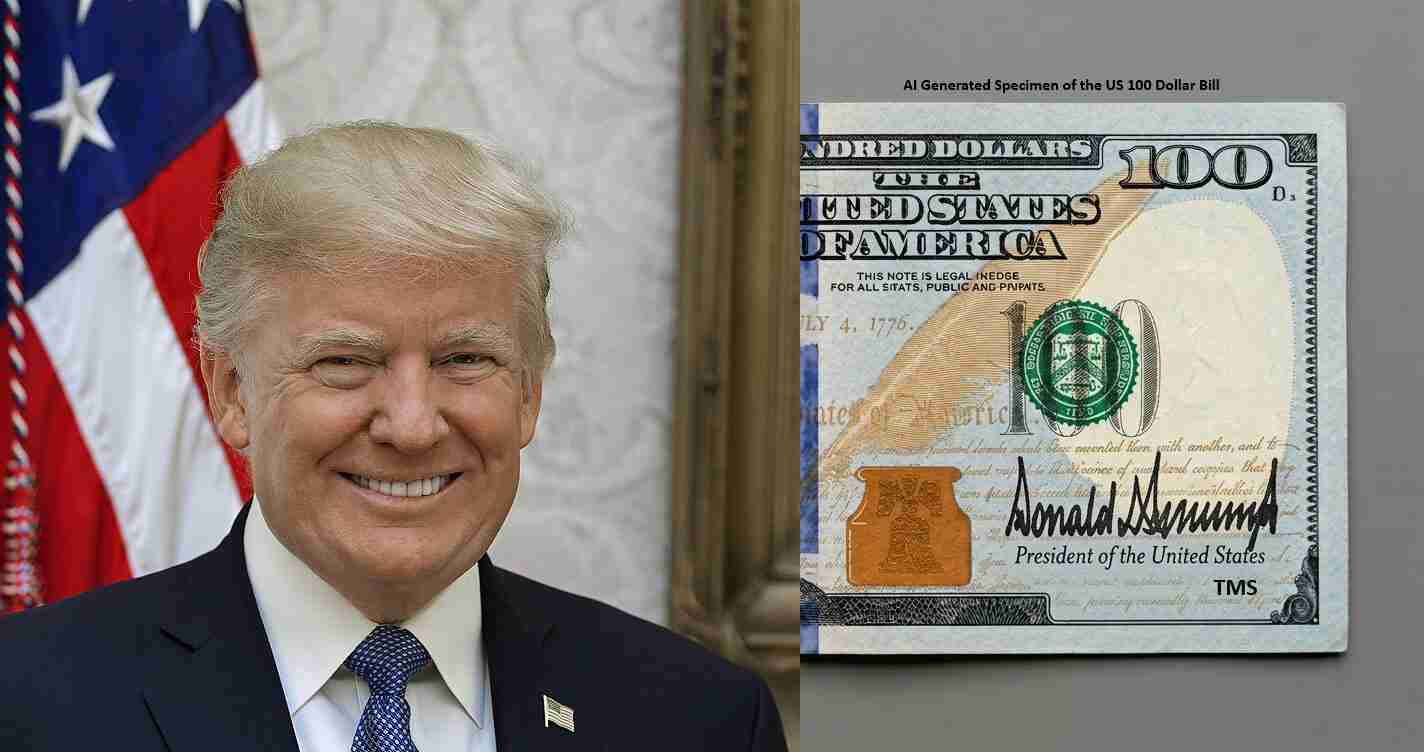
Trump’s signature to appear on U.S. dollar bills for 250th anniversary, Treasury says
The U.S. Treasury announced March 26, 2026 that President Donald J. Trump’s signature will appear on all U.S. paper currency, beginning with $100 bills in June 2026, to mark the 250th anniversary of American independence.
- Signature on currency: President Donald J. Trump’s signature will appear on future U.S. paper currency to mark the Semiquincentennial — sources reported by ABC News.
- Rollout begins with $100: The first $100 bills with Trump’s and Treasury Secretary Scott Bessent’s signatures are scheduled for production in June 2026; other denominations follow in subsequent months (ABC News).
- Historic change: The move replaces the Treasurer’s signature on currency for the first time in 165 years and raises precedent and legal questions (ABC News).
Details and timeline
Announcement date: The Treasury Department made the public announcement on March 26, 2026. The department said that going forward, new notes will carry the signature of President Trump alongside Treasury Secretary Scott Bessent.
According to the rollout plan reported by ABC News, the first production run will be $100 bills produced in June 2026. Production of other denominations will follow over the coming months as the Bureau of Engraving and Printing updates plates and presses.
The Treasury’s statement provided a broad schedule but did not include detailed timelines, the full redesign process, or the total number of notes to be printed. Meanwhile, the Bureau of Engraving and Printing continues to circulate existing notes bearing the signatures of former Treasury Secretary Janet Yellen and Treasurer Lynn Malerba until new runs are produced (ABC News).
Administration statements and rationale
Treasury Secretary Scott Bessent framed the change as recognition of what he described as the administration’s “historic achievements”, citing “unprecedented economic growth, lasting dollar dominance and fiscal strength and stability.” Treasurer Brandon Beach called the move “well-deserved,” referring to Trump as “the architect of America’s Golden Age economic revival,” per reporting by ABC News.
“Only appropriate” — Bessent said the placement of the signature is fitting for the Semiquincentennial, according to the Treasury’s public statement reported by ABC News.
Historical precedent and legal questions
Replacing the Treasurer’s signature breaks a 165-year tradition in which U.S. notes bear signatures from the Treasury Secretary and the Treasurer of the United States. Observers and some legal scholars note this raises questions about precedent, institutional roles, and whether placing a sitting president’s name on circulating money blurs lines between civic symbolism and political branding.
Separate efforts to place President Trump’s image on commemorative coins have already drawn scrutiny. A federal arts panel approved a commemorative gold coin design featuring his image, and the administration argues that restrictions on living presidents appearing on currency do not apply to certain commemorative coins — a stance criticized by some Democrats and legal experts (ABC News).
Production and circulation realities
The Bureau of Engraving and Printing maintains continuous runs to meet cash demand. Even after new notes begin production, existing bills signed by Janet Yellen and Lynn Malerba will remain legal tender and circulate until they are naturally withdrawn. A complete replacement across denominations will take months or years as new notes are printed and older notes are phased out.
Reactions and political response
Responses fell along expected partisan lines: supporters called the change a fitting Semiquincentennial tribute tied to economic policy, while critics warned it could amount to personalization of federal symbols. The announcement prompted requests for comment from the Treasury and sparked debate in Congress and across media outlets (ABC News).
Investigative note: sources and limitations
This report is based on the Treasury announcement and reporting by ABC News. Detailed internal memos, full legal rationales, and the final production schedule were not included in the public release; further details were pending follow-up from the Treasury at the time of reporting.
Implications for Las Vegas, Nevada
Economic impact
Las Vegas relies heavily on cash for casinos, restaurants, tips and tourist transactions. While the change will not affect the dollar’s legal status, a modest short-term collector-driven boost in demand for newly issued notes or souvenir bills and displays is possible. Local coin dealers and souvenir vendors may see increased sales tied to Semiquincentennial memorabilia.
Banking and casino operations
Banks, ATMs and casino cages will continue to accept and issue currency as usual. The Bureau’s gradual rollout means major equipment changes are not expected immediately, though cash-handling staff may be briefed to identify new signatures and any counterfeit concerns. Armored carriers and verification services could see temporary rises in demand.
Political and social effects
Las Vegas’ diverse electorate may view the move through different lenses: some see a symbolic nod to supporters, others a challenge to nonpartisan traditions. Local officials and civic groups may issue statements reflecting these divides as national conversations about tradition and symbolism continue to play out locally.
Tourism, conventions and souvenirs
Tourists often seek unique mementos; the appearance of a president’s signature on currency timed to the 250th anniversary may spur souvenir sales, framed bills, and coin-and-bill sets. Convention planners and event organizers could integrate the new currency into promotional materials and giveaways tied to Semiquincentennial events.
Civic and cultural relevance
Museums, historical societies and entertainment venues may incorporate the change into displays about national symbols. At the same time, community groups focused on institutional norms may protest personalization of federal symbols — mirroring broader national debates about presidential power and civic tradition.
Sources
Primary reporting for this article is based on the Treasury announcement as covered by ABC News. Additional local context for Las Vegas implications reflects regional cash economy and tourism patterns.



