A sea of idle cars: How Volkswagen’s Dieselgate left tens of thousands of vehicles baking in the Mojave Desert near Victorville
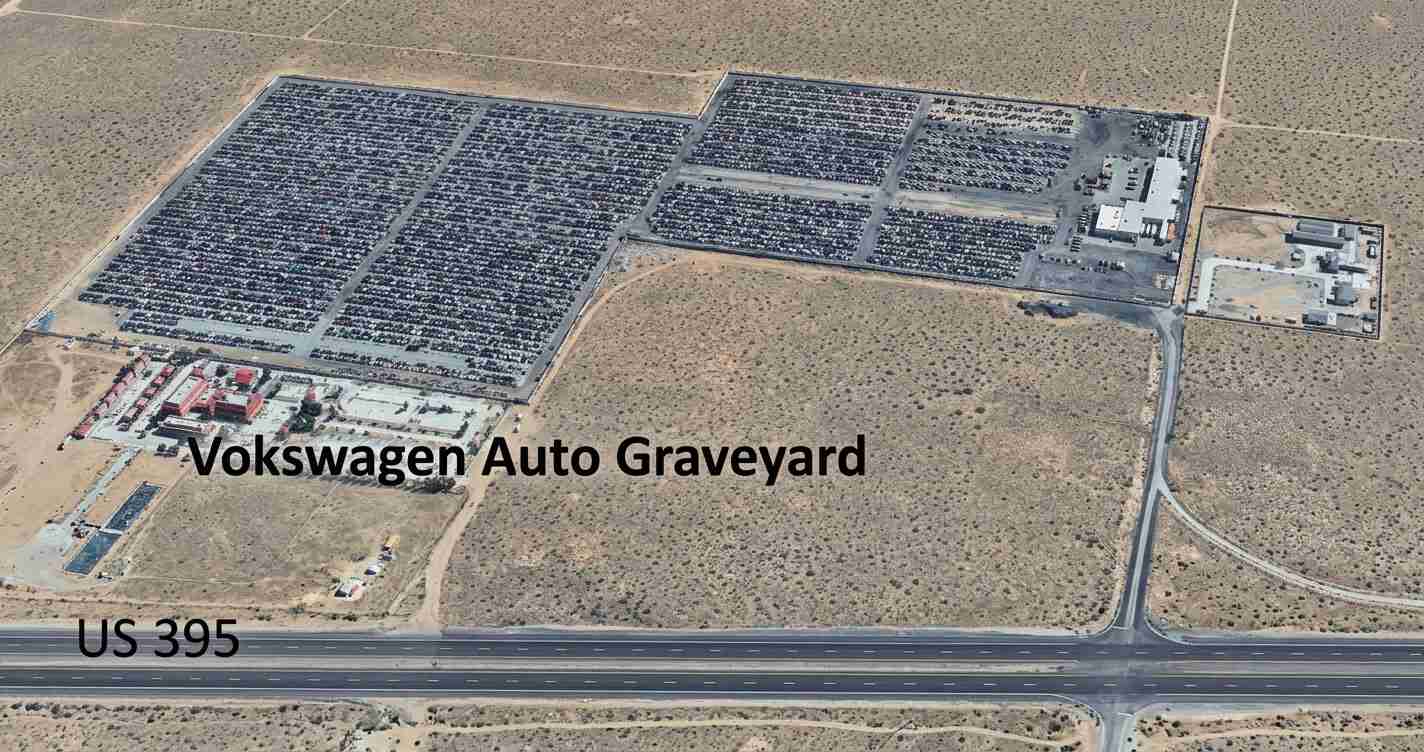
After Dieselgate, Volkswagen repurchased roughly 350,000 diesel cars; many sat in rented lots — notably a sprawling storage site in the Mojave Desert near Victorville — preserved while awaiting emissions fixes, resale or scrapping and regulatory approvals.
Key takeaways
- Massive buybacks: Volkswagen’s U.S. settlement required buybacks or repairs for nearly half a million 2.0‑liter diesel vehicles; owners overwhelmingly chose buybacks, leaving about 350,000 cars in company custody.
- Desert storage strategy: The Mojave Desert lot near Victorville became a prominent storage site because its arid climate reduced rust and corrosion on idled vehicles.
- Active preservation: Crews regularly started engines, moved cars, and checked batteries so vehicles could be repaired, certified, and resold when regulators approved fixes.
- Broader impact: Dieselgate reshaped regulatory scrutiny, consumer trust, and accelerated automakers’ investments in zero‑emission technology.
Key facts at a glance
– The Volkswagen emissions scandal, known as Dieselgate, was revealed in September 2015 when U.S. regulators found software that cheated emissions tests. Sources include a Wikipedia summary of the Volkswagen emissions scandal.
– Volkswagen agreed to a roughly $14.7 billion settlement in the U.S. in 2016, including billions for buybacks and repairs of nearly 500,000 affected 2.0‑liter diesel vehicles; see the U.S. Department of Justice press release.
– Owners in the U.S. overwhelmingly chose buybacks or lease terminations, leaving Volkswagen with about 350,000 vehicles it could not resell until regulators approved fixes (reported in settlement documents and coverage such as the DOJ settlement summary).
– One of the most visible storage sites became a vast lot in the Mojave Desert near Victorville, chosen for its dry air that limits rust and corrosion; reporting on the logistics appears in analyses like the CPA Journal analysis of Dieselgate and storage logistics and the Wikipedia summary.
How Dieselgate unfolded
In 2015, U.S. regulators discovered Volkswagen had installed so‑called “defeat devices” in many 2.0‑liter TDI diesel engines. The software detected when a vehicle was undergoing lab emissions testing and activated full emissions controls for the test. On the road, those controls were dialed back and vehicles emitted far more nitrogen oxides (NOx) than allowed — studies indicated emissions could be up to 40 times legal limits.
Volkswagen publicly admitted the fraud in early September 2015. Michael Horn, then Volkswagen’s U.S. chief, later acknowledged the company had “totally screwed up.”
“Totally screwed up.” — Michael Horn, then Volkswagen U.S. chief
The U.S. Department of Justice led a settlement requiring Volkswagen to spend billions on buybacks, repairs, and mitigation, including funds for zero‑emission vehicle investments and NOx reduction programs; see the DOJ settlement summary.
Why the Mojave Desert near Victorville became a car depot
After owners opted for buybacks, Volkswagen could not resell repurchased cars until emission fixes or regulatory approvals were in place. That immediate, large‑scale storage problem pushed company planners to seek cheap, expansive outdoor land where humidity was low and corrosion risk minimal.
The Mojave Desert lot near Victorville, California, offered dry air and vast flat space; from the air it resembled a geometric sea of hoods and roofs baked by the sun. Volkswagen also used other unusual sites — an abandoned stadium in Detroit and a former paper mill in Minnesota — to hold vehicles while they awaited fixes or resale, as detailed in reporting such as the CPA Journal analysis and related coverage.
Maintaining vehicles that were meant to sit idle
Although rows of Volkswagens and Audis looked abandoned, Volkswagen hired maintenance crews to preserve vehicle condition. Mechanics regularly started engines, moved cars, and checked batteries so vehicles could be road‑ready when required. The aim was temporary preservation — keep metal and mechanical systems sound so fixes (software updates or hardware work) could be applied and cars returned to the used‑vehicle market as certified, compliant vehicles.
This preservation work was labor‑ and cost‑intensive, and parking/maintenance were part of the overall settlement expense, which also covered buybacks, consumer payments, environmental mitigation, and investments in cleaner technology. The settlement again is summarized in the DOJ press release.
What ultimately happened to the cars
Over time, Volkswagen modified and resold many affected vehicles once regulators approved fixes. Others were deemed too old, damaged, or uneconomical to repair and were scrapped. Recall and buyback programs required repair or repurchase and included owner compensation; administrators tracked recall rates and outcomes.
The scale of the work — including tens of thousands of cars at desert sites like Victorville — helped make Dieselgate one of the costliest corporate scandals in modern history. For consumer guidance on recall outcomes and repairs, see the Consumer Reports guide to the Volkswagen Dieselgate recall.
Wider fallout and industry effects
Dieselgate generated regulatory, legal, and reputational consequences. The scandal dented consumer trust in Volkswagen and affected perceptions of other German automakers. It accelerated regulatory scrutiny of vehicle emissions and pushed automakers to invest in electric and zero‑emission technology as part of mitigation and brand‑repair efforts. See analysis including Notre Dame reporting on industry reputational effects and the DOJ summary.
Implications for Las Vegas, Nevada
Economic impact
- Resale supply and prices: Waves of modified Volkswagen and Audi models reentered the used‑car market, influencing national and Las Vegas‑area used‑car supply and occasionally putting downward pressure on diesel values (Consumer Reports guide).
- Local services demand: Inspections, emissions testing, and repair needs boosted business for mechanics and independent shops capable of handling required updates and hardware changes (DOJ settlement summary).
Political consequences
- Regulatory trust and enforcement: Dieselgate reinforced public attention on clean air rules and oversight, influencing Nevada officials and voters to watch enforcement more closely (Wikipedia summary).
- Local policy focus: The scandal strengthened interest in zero‑emission vehicles and incentives, encouraging EV infrastructure and incentive conversations in Las Vegas.
Social effects
- Consumer confidence: Dieselgate shook trust and made Las Vegas drivers more cautious about manufacturer claims and the importance of transparent safety and environmental information (Notre Dame reporting).
- Environmental awareness: The scandal spotlighted NOx pollution risks and mobilized local advocacy for cleaner cars and stronger monitoring.
Practical applications for residents
- Buying used: Las Vegas buyers should check VIN histories and dealer records to confirm Dieselgate‑related fixes were completed (Consumer Reports guide).
- Local testing and repairs: Consult Nevada inspection resources and certified repair shops to ensure software or hardware updates were performed.
Tracking the legacy
The rows of cars in the Mojave Desert near Victorville remain a stark, physical reminder of Dieselgate’s scale. The logistics required to maintain tens of thousands of parked vehicles underscored how deeply the scandal reached into manufacturing, regulation, and everyday driving life. For markets, policy, and trust between drivers and carmakers, the story continues to matter.
Sources and reporting
- U.S. Department of Justice press release (2016 settlement summary)
- Wikipedia summary of the Volkswagen emissions scandal
- CPA Journal analysis of Dieselgate and storage logistics
- Consumer Reports guide to the Volkswagen Dieselgate recall
- Notre Dame reporting on industry reputational effects
Keywords: Volkswagen Dieselgate Mojave Desert, Victorville car storage, Dieselgate settlement vehicles