Emergency repairs complete on Potomac Interceptor after massive Potomac River sewage spill; questions remain about oversight and DC Water infrastructure
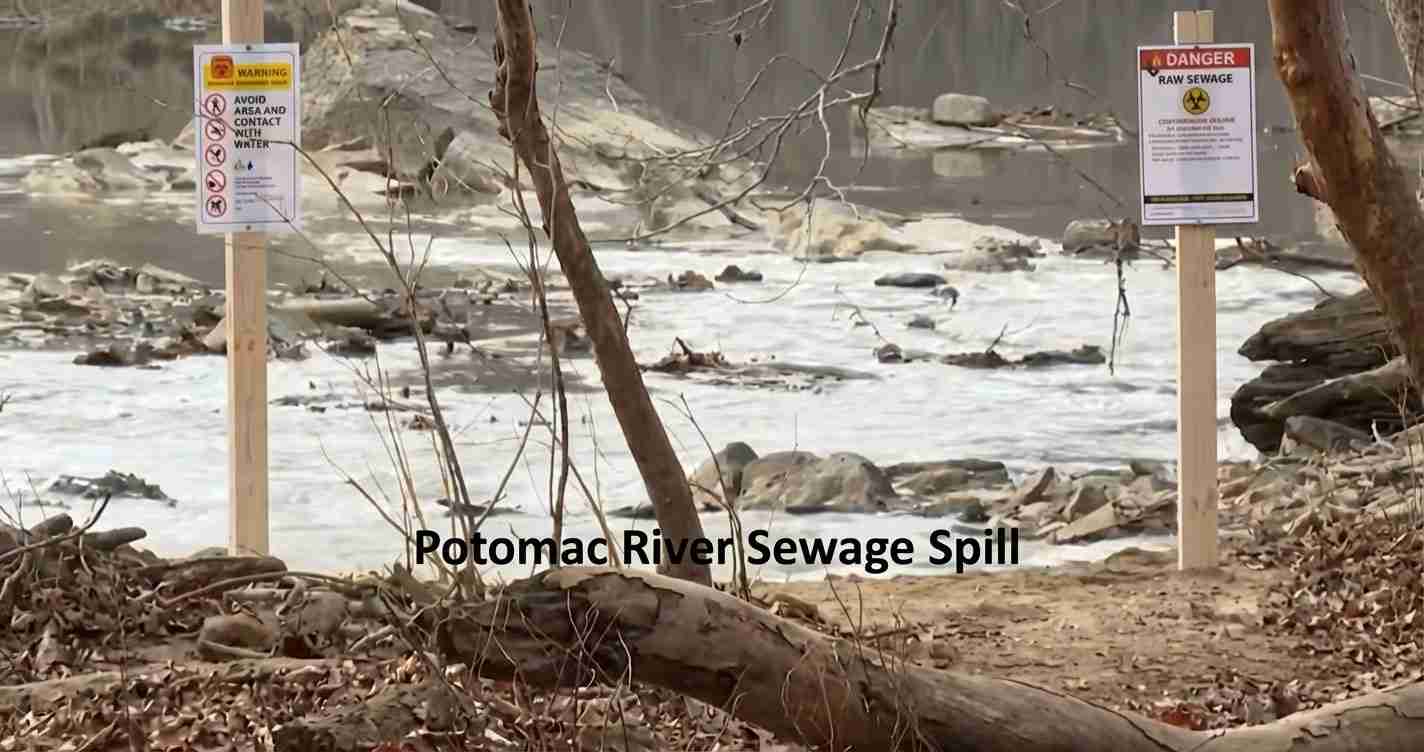
DC Water says emergency repairs to the collapsed Potomac Interceptor near Clara Barton Parkway are complete, restoring full flow after the Jan. 19 rupture that released an estimated 240–300 million gallons of raw sewage into the Potomac River.
Key takeaways
- Emergency repairs finished: Full flow restored and the C&O Canal drained and restored as part of the operation (Source: DC Water; reporting summarized at Wikipedia summary of the 2026 Potomac River sewage spill).
- Scale: The 72-inch interceptor ruptured Jan. 19, spilling an estimated 240–300 million gallons of untreated wastewater; cold weather limited spread in some areas.
- Costs and oversight: Early estimates place repairs and cleanup near $20 million; the mix of local, state and federal jurisdiction has fueled debate over responsibility and oversight.
Emergency repairs and how crews stopped the leak
Rapid response: DC Water, aided by federal partners, built a temporary bypass through the frozen C&O Canal to carry wastewater around the collapsed section. Crews worked around the clock from Jan. 19 through mid-March to stabilize banks, pump out contaminated water and isolate the damaged pipe.
The utility later fortified the site with a steel bulkhead and other enhancements. The C&O Canal was drained and subsequently restored as part of site remediation (sources summarized at Wikipedia summary of the 2026 Potomac River sewage spill and the Washingtonian explainer).
Scale of the spill and environmental tests
The 72-inch Potomac Interceptor, built mainly in 1962, ruptured on Jan. 19 and released an estimated 240–300 million gallons of raw sewage into the Potomac River. Sampling by authorities and independent groups detected dramatic spikes in bacteria: E. coli readings downstream rose by hundreds to more than 12,000 times the EPA safety thresholds at some sites near Cabin John and Fletchers Cove.
Cold weather and ice likely limited spread in stretches of the river; officials reported key drinking-water intakes in Georgetown remained safe. Maryland closed shellfish areas in Charles County and issued recreational advisories while additional testing continued. The Potomac Riverkeeper Network published independent sampling results and criticized the cleanup plan as inadequate (reporting summarized at Washingtonian explainer and related coverage).
Who runs the pipe and where responsibility lies
The Potomac Interceptor is largely managed by DC Water, an independent D.C. utility. Portions of the line in Maryland are handled by the Washington Suburban Sanitary Commission (WSSC), and parts of the line run through the Chesapeake and Ohio Canal National Historical Park (federal land). That mix of jurisdictions—local utility, state agencies and federal parkland—has been central to debates over oversight and response.
Federal declaration and political dispute
D.C. Mayor Muriel Bowser declared a public emergency on Feb. 18 and requested federal aid. President Donald Trump approved a disaster declaration that made FEMA assistance available and opened additional federal support for cleanup and monitoring. The White House said the president raised concerns ahead of America250 summer celebrations.
President Trump said local leaders showed “incompetence,” a remark criticized by Maryland Gov. Wes Moore, who said the pipe sits on federal land and is managed by DC Water and that Maryland had stepped in only to help a neighbor.
Costs, cleanup and long-term monitoring
Officials estimate immediate repair costs of roughly $10 million for pipe repairs, with total cleanup and recovery costs possibly reaching about $20 million when including canal restoration and ongoing water-quality monitoring. Federal agencies, state environmental officials and DC Water continue sampling and remediation work.
Independent watchdogs and environmental groups call for long-term studies of sediments, fish and recreational health before declaring the river fully restored (coverage and context include KOMO/Komonews reporting and related pieces).
Public health, drinking water and recreation
Officials asserted that major public drinking-water intakes were not affected; key intakes at Great Falls (serving D.C. and Arlington) and Montgomery County are upstream of the spill. A supplemental intake at Little Falls was offline. Agencies issued recreational advisories and shellfish closures where tests showed contamination and urged the public to avoid river contact until tests show safe levels.
Legal fallout
A recreational boater, Nicholas Lailas, filed a lawsuit against DC Water seeking compensation for people whose property interests and use of the Potomac were impaired by the spill, alleging damages tied to lost recreational access and environmental harm.
Infrastructure context and national concerns
The Potomac incident has become a high-profile example of aging water and sewer infrastructure across the U.S. Experts note thousands of smaller overflows and failures each year. Coverage has linked the Potomac event to broader incidents—like major sewage overflows in Baltimore—underscoring calls for investment and better maintenance of critical systems (WSB-TV coverage and broader infrastructure context).
Who helped: federal and park partners
The National Park Service worked with DC Water to enable the canal bypass and later to restore parkland. The U.S. Army Corps of Engineers provided assistance beginning Feb. 21. Federal monitoring and resources became available after the presidential disaster declaration.
Implications for Las Vegas, Nevada
Economic impact: The spill and the mobilization to repair the Potomac Interceptor illustrate how a single failure can carry large cleanup and repair costs—an estimated $20 million—and influence national perceptions about environmental stewardship, potentially affecting tourism and event planning.
Political consequences: The jurisdictional dispute highlights how mixed oversight can complicate responses. Nevada officials and voters may press for clearer responsibilities and stronger local oversight of critical systems.
Public health and social effects: High E. coli readings and recreational advisories underscore the need for rapid, clear public messaging and contingency plans for recreation businesses.
Cultural relevance: Communities that value outdoor amenities—like Las Vegas with Lake Mead and riverside parks—may use this episode to advocate for infrastructure investment and transparent emergency planning.
Practical applications for residents and policymakers
- Review and update emergency response and public-notification plans for water contamination events.
- Audit sewer and water assets for age-related vulnerabilities and prioritize funding for high-risk sections.
- Strengthen interagency agreements so county, state and federal partners can act quickly where jurisdiction is mixed.
- Consider public education campaigns explaining drinking-water protections and the meaning of recreational advisories.
Conclusion
Emergency repairs to the Potomac Interceptor are complete and flow has been restored, but the episode leaves lingering questions about oversight, long-term monitoring and investment in DC Water infrastructure and comparable systems nationwide. Local leaders can use this case to push for clearer responsibilities, faster responses and steady investment in the water systems their communities rely on.