Chick-fil-A Drops Pea Starch, Reverts Waffle Fries Recipe After Customer Backlash
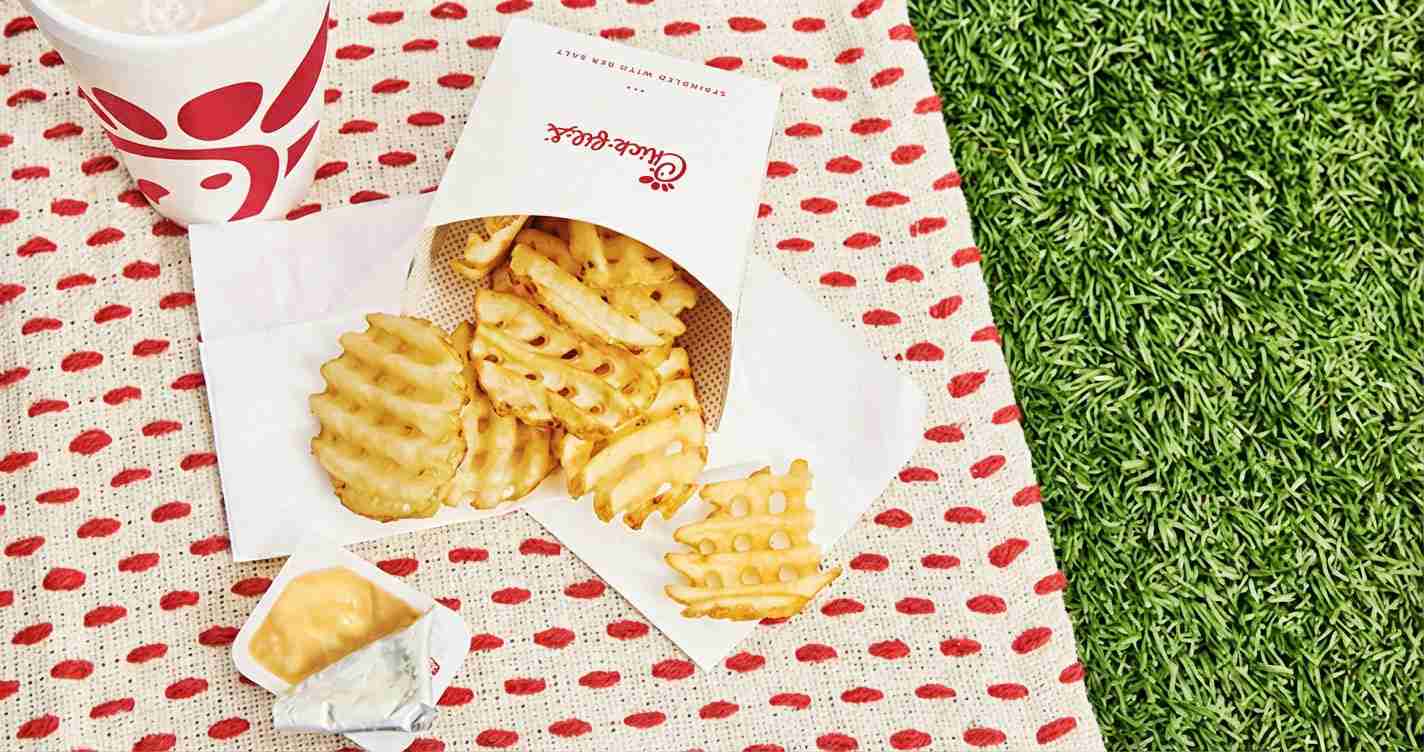
Chick-fil-A has removed pea starch from its waffle fries coating in 2026, reversing a late-2024 change aimed at improving crispiness after widespread customer complaints about altered taste and texture, and restoring a more familiar recipe.
Key takeaways
- Chick-fil-A added pea starch to the waffle fries coating in late 2024 after more than a year of testing to help the fries stay crispier longer.
- In 2026 the chain removed pea starch from the ingredient list, and its public ingredient pages now reflect the rollback.
- The current listed coating includes modified food starches from corn, potato and tapioca, rice flour, salt, leavening agents and seasonings, with no mention of pea flour or pea starch.
- A medium serving costs about $3.85, with roughly 420 calories and 24 grams of fat, per published nutrition information.
Timeline of recipe changes
Origins and experiment: Chick-fil-A introduced its waffle fries in 1985 and for decades they were known for a starchy flavor and a tendency to go soggy as they cooled. Seeking to address sogginess, the company — after more than a year of testing, added pea starch to the coating in late 2024 to boost crispiness and hold.
Customer reaction and social media outcry
The pea starch tweak produced mixed results. While many orders were crisper straight from the fryer, **customers complained** that the fries tasted blander, felt harder or lost appeal as they cooled. Social platforms lit up with feedback — users described the fries as “bland now,” “too hard” or “do not hold up well as they get cold”.
“I love soggy fries. Please, we are begging you.” — Instagram user
After Chick-fil-A removed pea starch, many customers celebrated the return to a more familiar flavor; some posts noted the fries “tasted how they used to.” Still, a small group preferred the crisper pea-starch version, highlighting that taste is subjective. Coverage of the rollback appears in outlets such as The Daily Meal and Forever York.
Ingredients, nutrition and what changed
Chick-fil-A’s current public ingredient list describes the fries as potatoes cooked in canola oil and vegetable oils with a coating of modified food starches (corn, potato and tapioca), rice flour, salt, leavening agents and seasonings. The 2026 listing omits pea starch or pea flour — a change from the late-2024 label that included pea starch as part of the crispiness experiment.
Nutritional data: Nutritional information remains consistent with prior reporting — a medium serving contains roughly 420 calories and about 24 grams of fat, and prices hover around $3.85 depending on location.
Allergen questions and food science
Allergen concerns: Adding pea starch raised questions for some consumers because peas are legumes and pea-derived ingredients can trigger sensitivities. Food science notes that pea starch is mostly starch with relatively low protein, and in many jurisdictions pea starch is not classified as a major allergen. Still, allergen risk depends on processing and labeling; the initial reporting highlighted consumer worries, while Chick-fil-A’s removal of pea starch likely eases ingredient-list concerns for some diners.
Food science note: pea starch’s higher amylose content can increase crispiness and hold, which explains why it was tested — but taste and texture preferences vary across customers and service scenarios.
Company response and corporate context
Official word: Chick-fil-A confirmed the 2026 change on its website and through a company representative, noting the current waffle fry recipe does not contain pea starch. The company frames product updates as efforts to balance quality, consistency and customer preference; in this instance, public feedback appears to have pushed the chain closer to the long-standing formula.
How this plays out locally: Implications for Las Vegas, Nevada
Economic impact
Las Vegas relies heavily on quick-service dining for workers, tourists and late-night patrons. Local Chick-fil-A restaurants benefit from consistent repeat traffic; restoring a popular menu item may modestly boost same-store sales as loyal customers return to previous ordering habits.
Political consequences
Recipe changes at national chains rarely reshape policy, but they can become examples in civic conversations about business responsiveness. In a pragmatic city like Las Vegas, the reversal may be framed as a company listening to customers, though it is unlikely to drive major policy changes.
Social effects
Waffle fries are a comfort-food staple in Las Vegas’ late-night and service-worker culture. Returning to a familiar recipe could improve satisfaction in group orders, deliveries and catered events, and may reduce complaints to local stores and delivery services.
Cultural relevance
Vegas’ dining scene values both novelty and dependability. For many visitors and residents alike, the waffles fries are part of a predictable meal experience — restoring the older recipe helps maintain brand trust in a city that prizes consistent service amid constant change.
Practical applications for residents
- Ordering decisions: Customers who switched away or complained about the 2024 change may try the fries again; those who prefer extra crispness can request order timing or modifications.
- Allergies and labeling: Diners with legume sensitivities should check Chick-fil-A’s updated ingredient information online and ask staff about location-specific questions.
- Catering and events: Event planners using Chick-fil-A for group meals may see fewer texture-related complaints, improving guest satisfaction.
Reporting sources
This article draws on public pages and reporting, including:
- Chick-fil-A’s ingredient information
- Coverage by The Daily Meal
- Forever York’s report on the reversal
Reporting from Times Media Service