Putin Names Nuclear Triad an “Absolute Priority” as Russia Pledges Broader Military Push
On Feb. 23, 2026, Vladimir Putin said developing Russia’s nuclear triad is an “absolute priority,” pledging broader military upgrades and faster weapons development, citing combat experience from the Ukraine war amid rising international tensions today.
Key takeaways
- Triad prioritized: Putin declared land-based ICBMs, SLBMs and strategic bombers an “absolute priority” for deterrence and second-strike capability.
- Wider military upgrades: He pledged accelerated upgrades across army and navy based on combat lessons from Ukraine.
- Treaty context: Russia suspended participation in the New START framework in 2023, removing key nuclear transparency constraints.
- Local implications: U.S. defense spending and regional preparedness — including in Nevada — could shift in response to Moscow’s modernization drive.
Putin’s remarks and the nuclear triad
Speaking at a Defender of the Fatherland Day ceremony, President Vladimir Putin framed development of the nuclear triad — land-based ICBMs, submarine-launched ballistic missiles (SLBMs) and strategic bombers — as an “absolute priority” for Russia’s security and strategic deterrence. He vowed to speed work on advanced weapons and to strengthen forces “taking into account developments in the international situation, based on combat experience gained.” (Sources: Yeni Safak, Anadolu Agency).
“The development of the triad remains an absolute priority,” Putin said, linking strategic systems development to deterrence and guaranteed second-strike capability.
The nuclear triad explained
The nuclear triad is the three-pronged structure used by nuclear states to reduce vulnerability to a disabling first strike: long-range ground missiles, ballistic missiles launched from submarines, and strategic bombers. Together they are designed to ensure a credible second-strike response even after suffering major strategic losses (Sources: Fox News; Congressional Research Service; Defense Intelligence Agency).
Context: treaties, arsenals and recent investments
Moscow suspended its participation in the New START Treaty on Feb. 5, 2023, eliminating the last major U.S.-Russia nuclear transparency and limitation mechanism. That suspension removes a key constraint as Russia continues a broad nuclear modernization program, even as officials publicly assert responsible stewardship of the arsenal (Source: Fox News).
U.S. and allied intelligence estimates put Russia’s deployed strategic warheads on ICBMs and SLBMs at roughly 1,500–1,600, with sustained modernization across missile classes and naval platforms such as the Borey-A and Yasen-M submarines (Sources: Congressional Research Service; DIA; Kremlin).
Military enhancements beyond nuclear systems
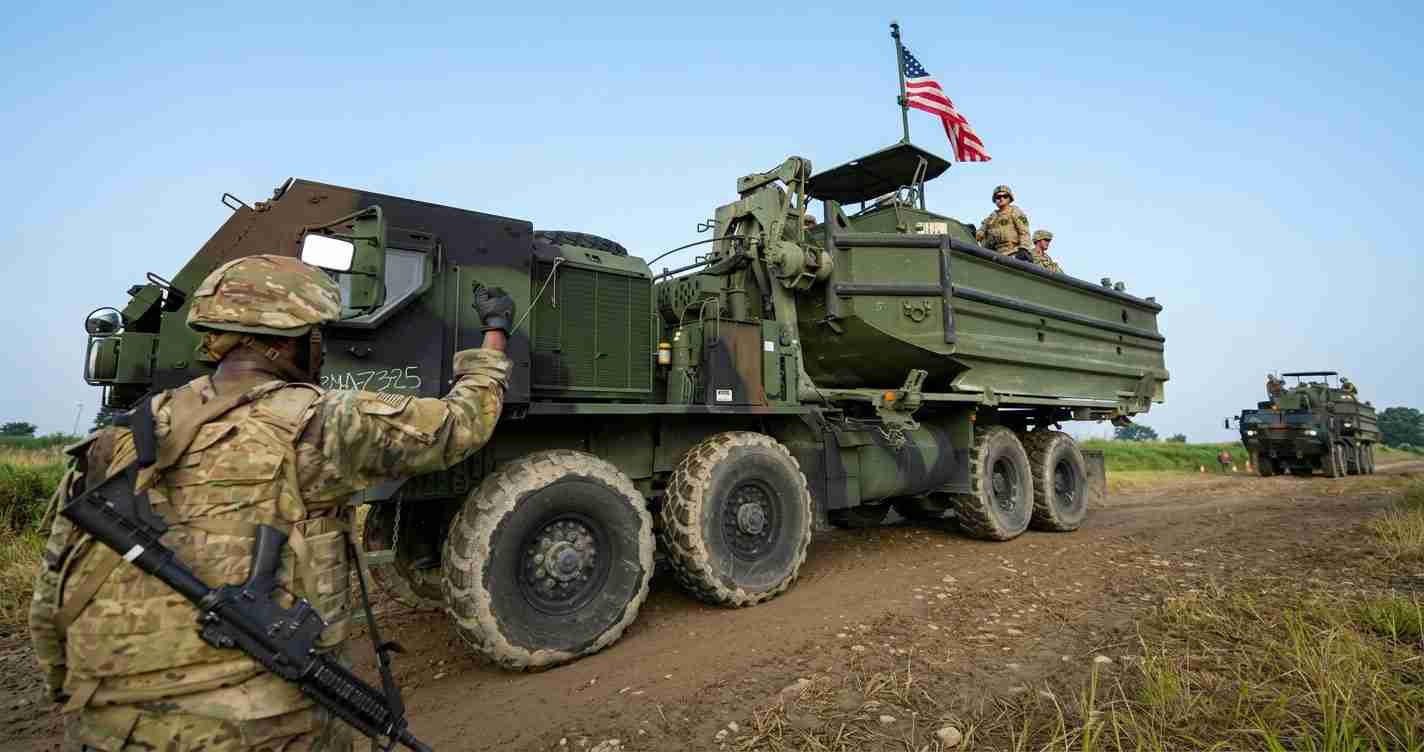
Putin said the regular armed forces will receive significant upgrades: improvements in combat readiness, mobility and the ability to operate in harsh conditions — lessons cited from Russia’s campaign in Ukraine. The Kremlin emphasized accelerated development of advanced systems for the army, navy and other branches (Sources: Yeni Safak; Anadolu Agency; Fox News).
Presentation of awards and messaging
During the holiday ceremony, Putin presented state awards to officers involved in the Ukraine invasion — a public show of support and recognition for participants in the campaign (Sources: Fox News; Anadolu Agency).
Zelenskyy’s warning and regional fears
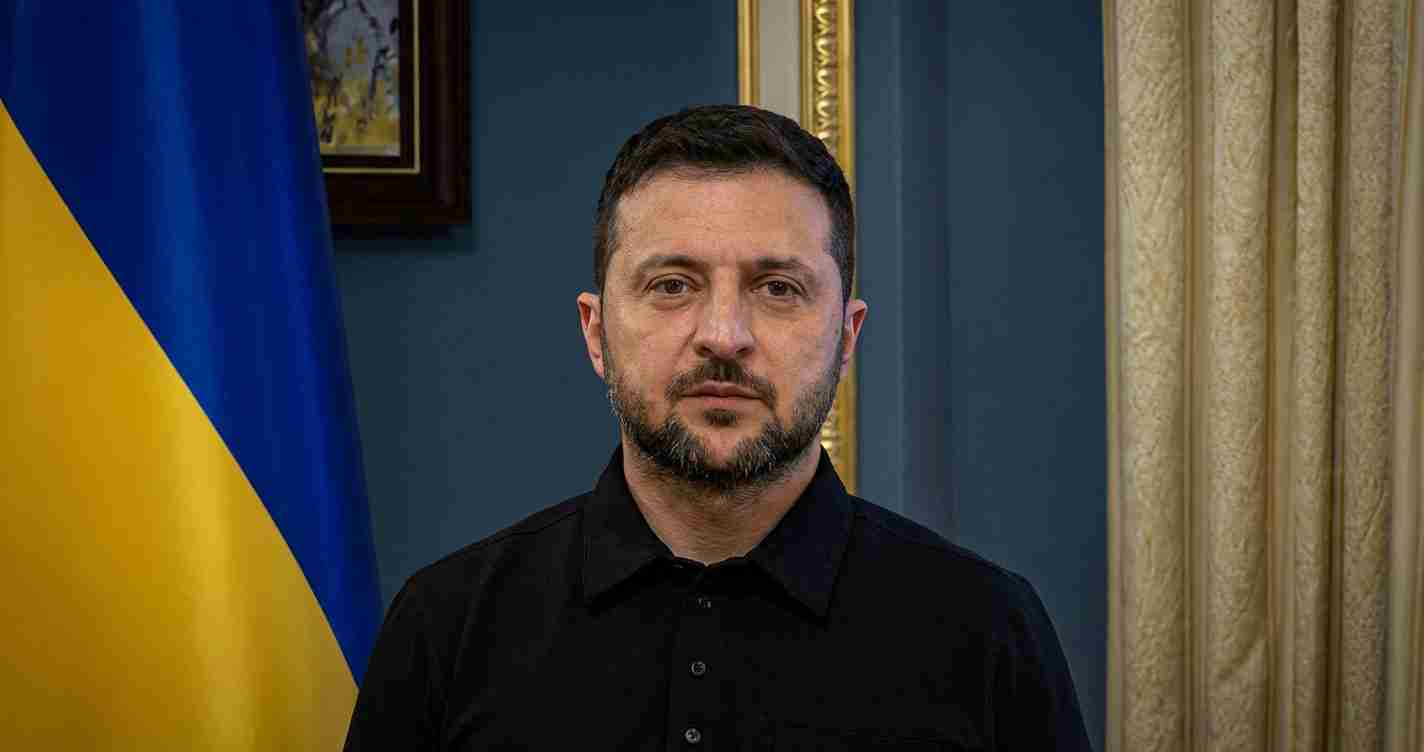
Ukrainian President Volodymyr Zelenskyy warned in a Feb. 23 interview that Russia’s invasion risks setting the world on a path akin to “World War III,” urging the international community to act to prevent wider aggression (Source: Fox News quoting a BBC interview).
Analysts’ view: nuclear reliance as strategy
Security analysts interpret Putin’s emphasis as consistent with long-standing Russian doctrine: relying on nuclear strength to offset conventional weaknesses. Continued investment in multiple delivery systems and new missile types signals Moscow’s intent to preserve strategic options if conventional operations falter (Sources: Yeni Safak; DIA; CRS).
Questions about intermediate-range missile deployments have resurfaced since the end of the INF Treaty. The Kremlin has publicly said it will not deploy such missiles until comparable systems appear elsewhere, but officials appear to keep options open (Source: Kremlin).
Implications for Las Vegas, Nevada
While the announcement centers on global strategy, it has local implications for regions such as Las Vegas:
Economic impact
- Defense budgets: Increased U.S. investment in missile defense and nuclear modernization could shift federal spending priorities, affecting Nevada through defense contracts and base funding (Sources: CRS; DIA).
- Market and tourism: Heightened geopolitical risk can affect travel and events, potentially impacting Las Vegas’s tourism-dependent economy.
Political consequences
- Local leaders may face pressure to respond to national security debates, from statements to engagement with federal officials on base funding and veteran services.
- Nevada may increase lobbying for military infrastructure and workforce programs tied to defense technology.
Social effects
- Rising talk of nuclear threats can increase public anxiety and demand for emergency-preparedness information from city agencies and nonprofits.
- Schools and community centers may seek briefings about civil defense and response plans.
Cultural relevance
Las Vegas’s diverse population includes many with ties to global conflict zones; coverage of heightened tensions resonates with community groups and local media, which may need to provide calm, clear information.
Practical applications
- Emergency management: Clark County and the City of Las Vegas may revisit public information campaigns on alerts, evacuation and shelter-in-place guidance.
- Business continuity: Casinos, resorts and event planners should review contingency plans for employee safety and supply-chain disruptions.
- Civic engagement: Expect town halls, expert panels and university forums explaining implications of nuclear modernization and the Ukraine war for Nevada residents.
Sources and further reading
Primary reporting and background documents:
- Yeni Safak: Putin declares nuclear triad development absolute priority for Russia’s security
- Fox News: Putin declares nuclear weapons development Russia’s ‘absolute priority’ during military ceremony
- Anadolu Agency: Putin calls development of nuclear triad an absolute priority
- Congressional Research Service: Russian Nuclear Forces and U.S. Policy (PDF)
- Defense Intelligence Agency: Nuclear Challenges 2024 (PDF)
- Kremlin press release on missile discussions and related policy
- Video reference 1 · Video reference 2
Reporting by Times Media Service.