Trump gives Maduro ultimatum to flee Venezuela as land operations loom, talks collapse
Former U.S. President Donald Trump delivered an ultimatum demanding Nicolás Maduro immediately leave Venezuela, offering safe passage to top allies if he resigned, as stalled talks prompted airspace closures, U.S. military moves and warnings of possible land operations.
- Direct ultimatum: Reported phone call where Miami Herald says Trump told Maduro to leave immediately, offering safe passage for Maduro and close allies.
- Talks collapsed: Maduro sought global amnesty and retention of armed forces control — demands U.S. sources described as unacceptable (Reuters, AP).
- Military and aviation effects: U.S. declared Venezuelan airspace effectively closed; airlines rerouted or suspended service and U.S. military assets moved into the Caribbean (FAA, Reuters).
- Counter-narcotics and legal measures: Washington increased maritime strikes and moved against networks tied to the Maduro government, including actions framed as targeting drug trafficking and the so-called Cartel de los Soles (The Washington Post, Reuters).
The ultimatum and stalled negotiations
Reporting from December 2025 describes a direct exchange that began with a phone call in which, according to the Miami Herald, President Trump said, “You can save yourself and those closest to you, but you must leave the country now.” U.S. officials reportedly offered safe passage for Maduro, his wife Cilia Flores, their son and several close associates — contingent on immediate resignation.
Maduro’s team countered with demands described as non-starters for Washington: a broad global amnesty for alleged regime crimes and the right for Maduro to retain control of the armed forces even if free elections proceeded. Those demands were reported as unacceptable to U.S. negotiators, and follow-up outreach from Venezuelan officials reportedly went unanswered by the White House (Reuters).
Military posture, flight disruptions and airspace limits
After talks broke down, U.S. posture around Venezuela changed rapidly. Officials announced Venezuelan airspace would be considered “closed in its entirety,” leading major airlines to reroute or suspend flights and prompting the Federal Aviation Administration to issue heightened guidance (FAA; Reuters).
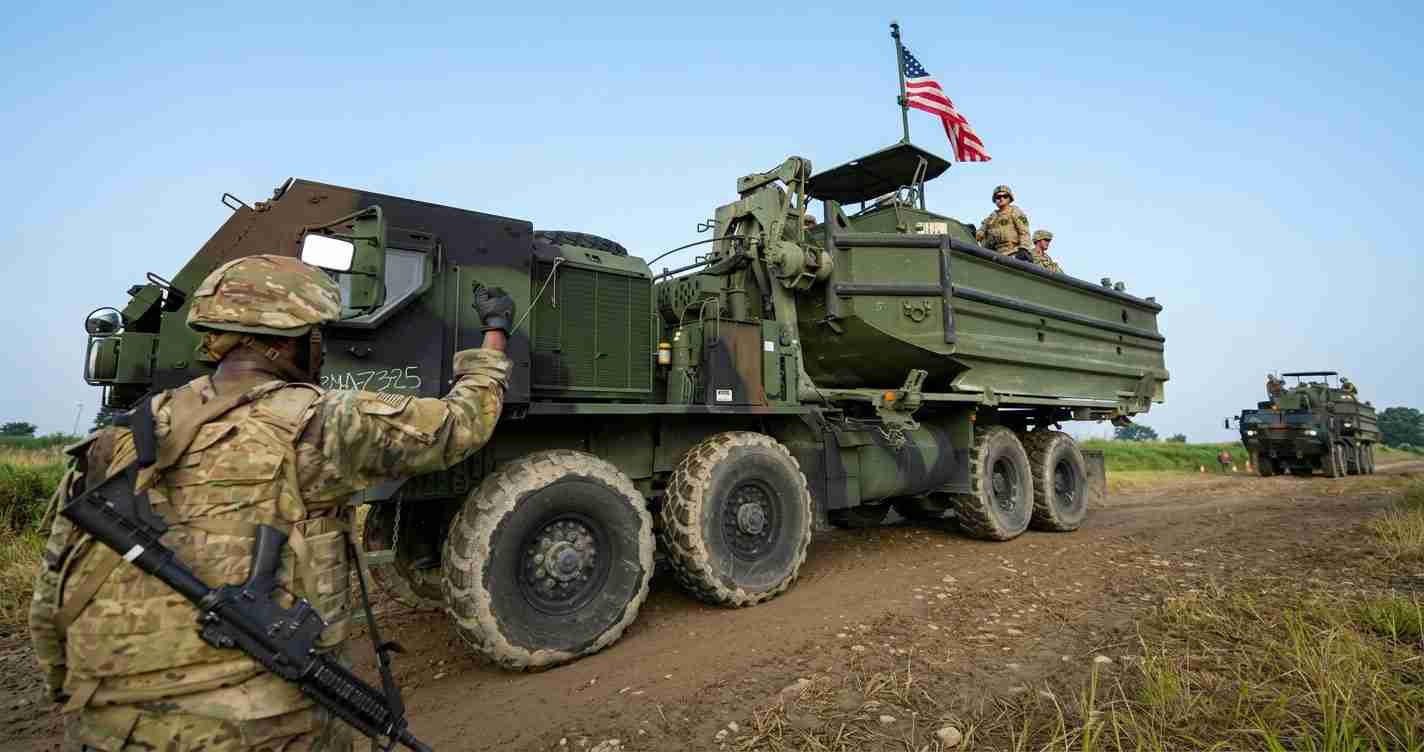
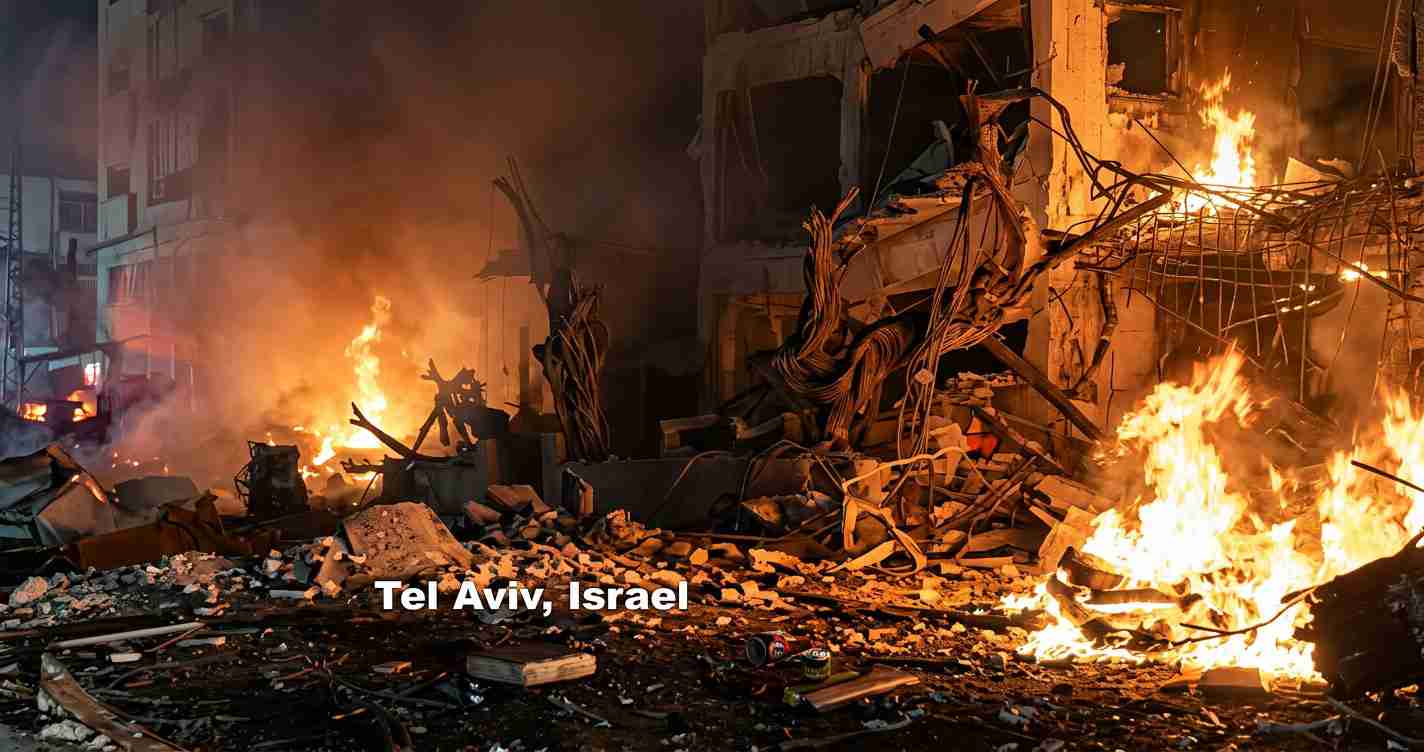
The U.S. repositioned military assets to the Caribbean and publicly warned land operations were a live option. Defense analysts quoted in reports described a move toward a “capture-or-kill” posture targeting select regime figures; analysts cautioned about logistical difficulty and civilian risks in any kinetic operation (Reuters, The New York Times).
Maduro’s public reaction and regime posture
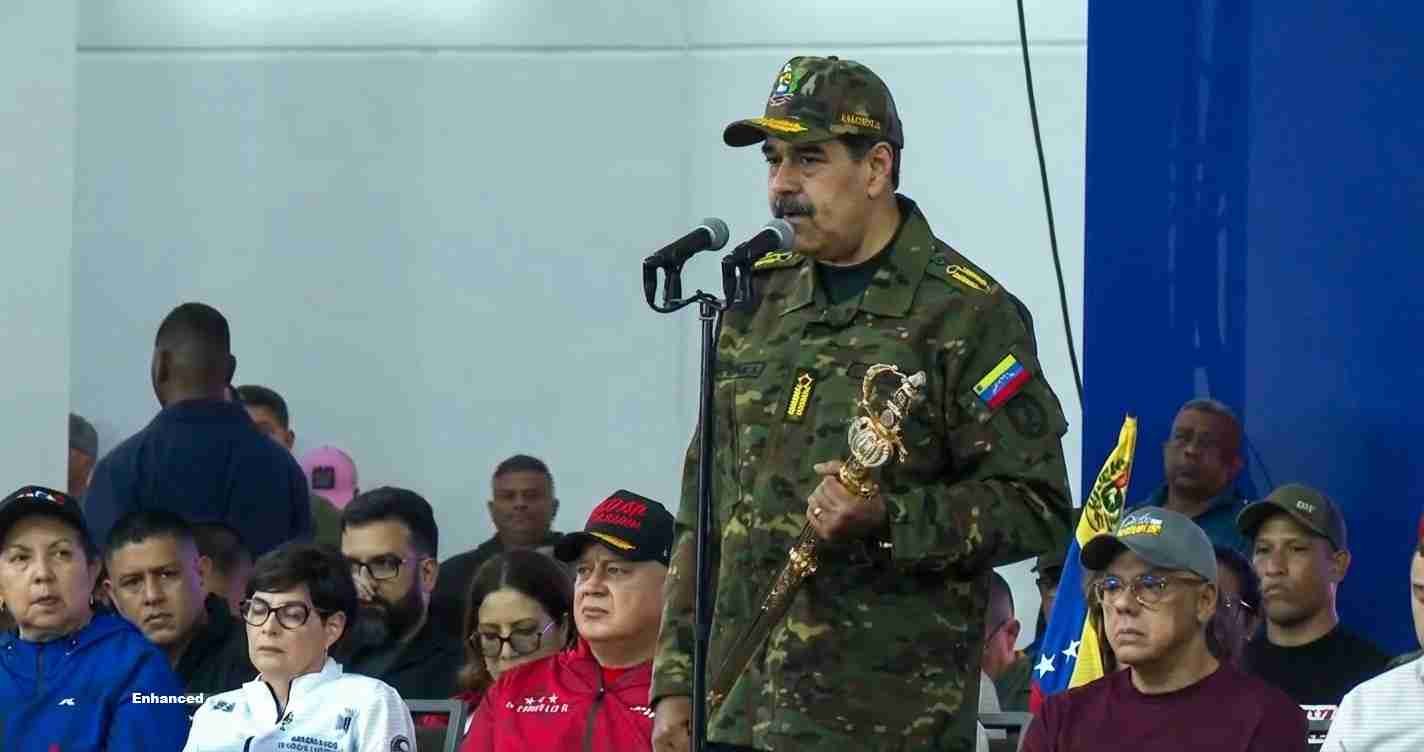
Maduro responded with defiance: public rallies, military displays and rhetoric accusing the U.S. of imperialist aggression. At a rally he brandished a sword and announced punitive measures against foreign carriers, while state media framed the reported ultimatum as evidence of U.S. intent for forcible regime change.
Analysts emphasize Venezuela’s military has been weakened by years of corruption, neglect and defections — a factor reportedly considered by U.S. defense planners when assessing options (Reuters).
U.S. actions framed by counter-narcotics and legal steps
U.S. officials defended measures by pointing to Venezuela’s role in regional drug trafficking. Reported actions included increased maritime strikes on suspected narcotics shipments and legal moves against networks tied to the Maduro government. Journalistic accounts said Washington moved toward designating the so-called Cartel de los Soles as a foreign terrorist organization, a label that carries significant legal consequences (The Washington Post, Reuters, AP).
Supporters argue these steps protect U.S. communities from illicit drugs and pressure Maduro to relinquish power; critics warn of escalation and the potential for civilian harm if military actions expand.
International posture and the role of outside powers
Maduro has historically relied on support from countries such as Russia, Iran and China. December reporting suggested those partners faced constraints and were unlikely to provide decisive assistance if U.S. pressure intensified, while Chinese policymakers were described as cautious to protect economic ties and regional stability (Reuters, The New York Times).
Regional governments called for restraint and diplomatic solutions even as the U.S. signaled a harder line, reflecting concern across neighboring states and international blocs.
Expert assessments: strategy, risks and limits
Defense and regional experts described the situation as high-risk. The reported “capture-or-kill” framing highlights that top regime figures are viewed as central to the status quo, but experts warned of logistical, political and humanitarian challenges — especially in urban areas where civilians could be endangered.
Possible outcomes include Maduro accepting asylum and leaving, entrenched resistance supported by loyal security elements, or fragmentation into asymmetric conflict with armed groups and criminal networks exploiting instability. Each scenario carries deep implications for regional stability and humanitarian conditions (Reuters, The New York Times).
Implications for Las Vegas, Nevada
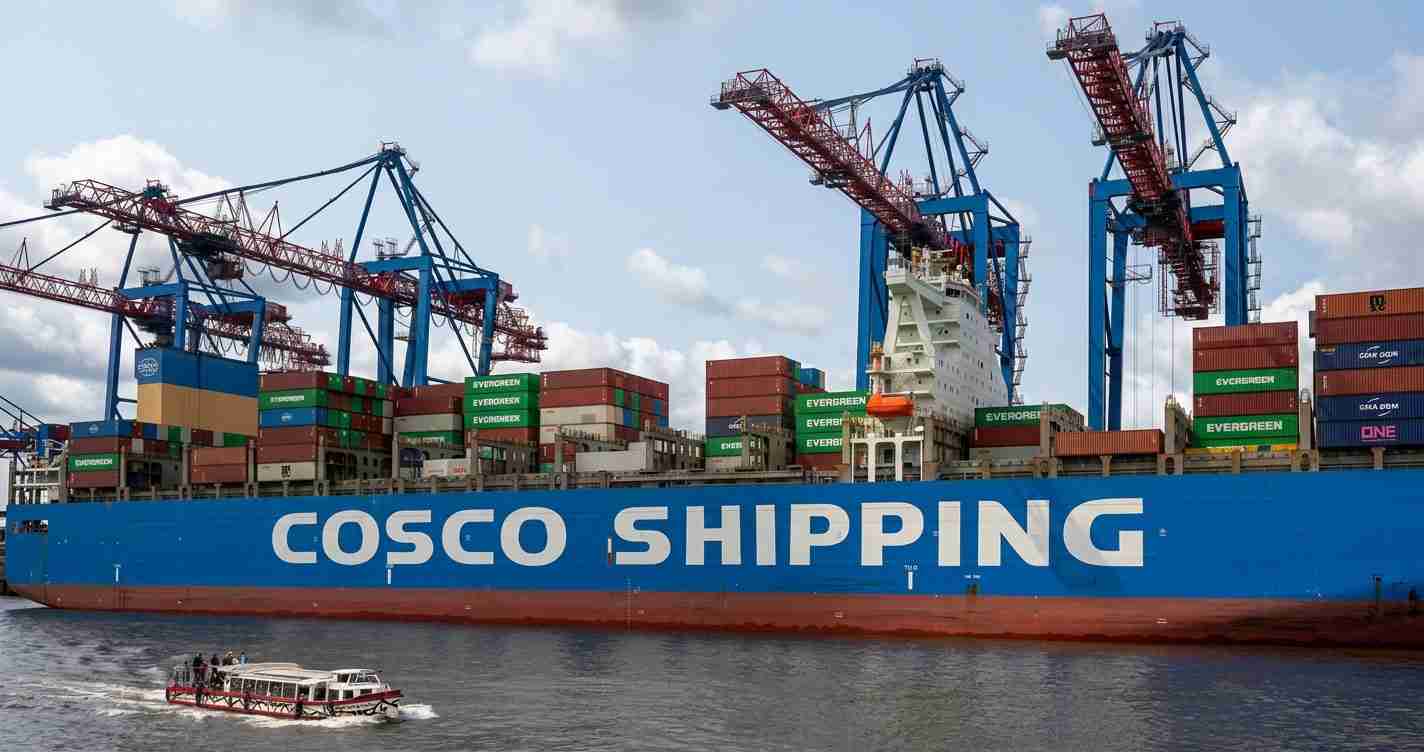
Economic impact: Las Vegas’ travel and tourism economy may feel ripple effects from rerouted flights, higher insurance and operational costs as carriers adjust routes through the Caribbean and northern South America.
Political consequences: Local voters and leaders may scrutinize federal decisions on national security, migration and spending; Nevada’s congressional delegation could face constituent pressure for explanations and oversight.
Social and community effects: Las Vegas’ sizable Latino and Venezuelan-American communities may experience heightened anxiety and increased demand for immigrant services, legal aid and mental health support.
Practical actions: Local emergency and public health agencies may review shelter capacity, legal assistance and contingency plans for potential asylum flows and humanitarian needs.
Source notes and reporting
This article synthesizes December 2025 reporting by major outlets and official guidance. Primary reporting and analysis referenced includes the Miami Herald, Reuters, the Associated Press, The Washington Post and The New York Times.
Official and aviation sources include the Federal Aviation Administration. Further government notices and policy updates may appear on Defense.gov and State.gov. Additional coverage and developments are expected as diplomatic and military postures evolve.
“The impasse left both sides with few diplomatic options; U.S. officials framed their position around immediate leadership change, while Maduro’s side sought legal protections and institutional control.”