Supreme Court strikes down Trump tariffs; president calls liberal justices “automatic no,” praises Kavanaugh dissent and promises tariff alternatives
President Trump denounced the Supreme Court’s 6-3 ruling that struck down broad tariffs under the IEEPA, praised conservative dissenters and publicly announced immediate alternative trade measures during a Feb. 20, 2026 White House press conference.
Key takeaways
- Supreme Court limits emergency tariff power: A 6-3 majority found the president exceeded IEEPA authority for sweeping tariffs.
- Sharp White House response: Mr. Trump attacked liberal justices, lauded conservative dissenters and vowed new trade steps.
- Kavanaugh dissent noted practical risks: The dissent warned of refunds and administrative consequences for collected tariffs.
- Alternatives announced: The president said he’d pursue a 10% executive-order tariff, Section 301 probes and other statutory routes.
Main story
What the court ruled
The Supreme Court’s 6-3 decision concluded that the president exceeded emergency powers under the International Emergency Economic Powers Act (IEEPA) when imposing broad tariffs. Live coverage and White House video of the president’s remarks highlighted that the ruling narrows the use of emergency authority for sweeping trade measures while leaving open other federal statutes for narrower action (Video: White House; NBC).
Court split and interpretive lines
The ruling split the court along interpretive philosophies: three liberal justices formed the majority blocking the emergency-based tariffs, while conservative Justices Clarence Thomas, Samuel Alito and Brett Kavanaugh dissented, arguing longstanding executive authority over trade. Coverage from PBS, NBC and the White House provided immediate reaction and analysis (PBS; NBC; White House).
Trump’s response at the White House
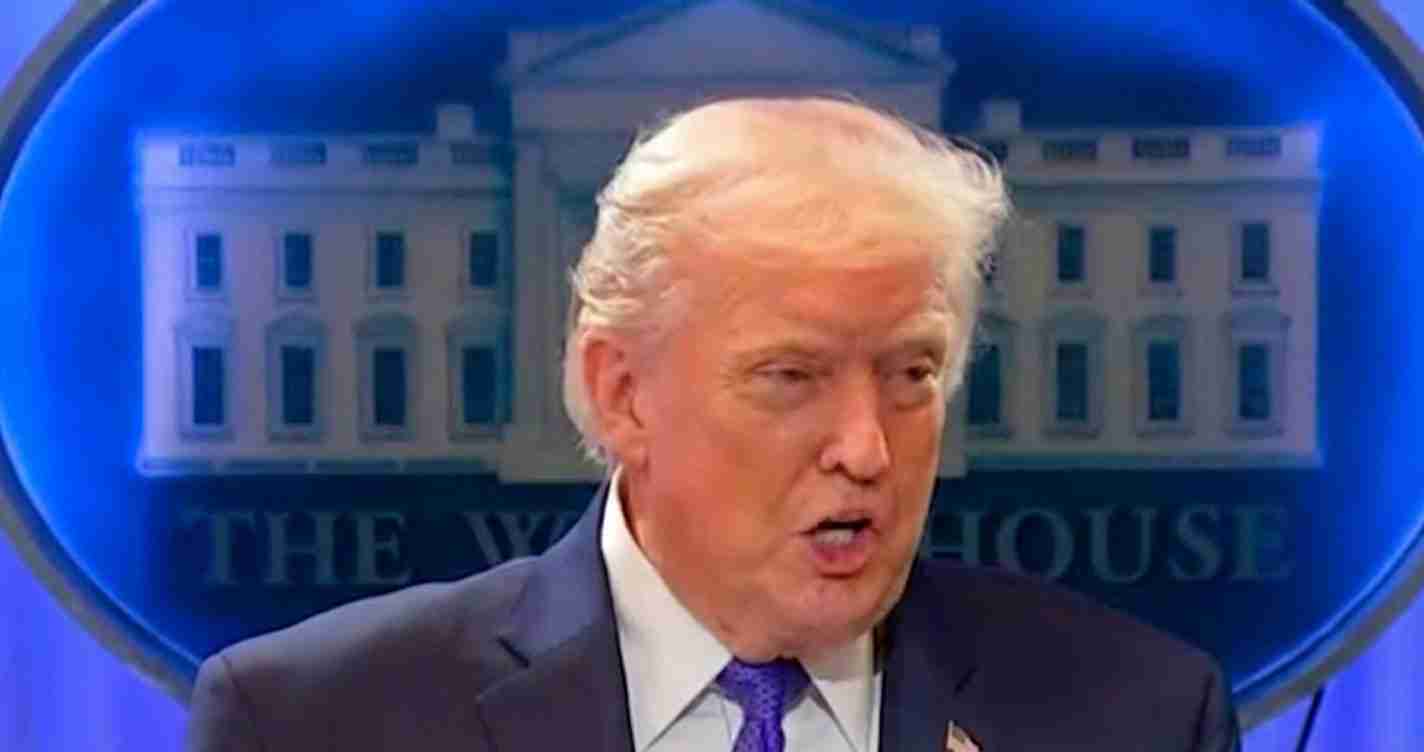
Within hours of the decision, President Trump took reporters’ questions at the White House and sharply criticized the Court’s liberal bloc. He said,
“They’re an automatic no,”
referring to Justices Sonia Sotomayor, Elena Kagan and Ketanji Brown Jackson, and called them “a disgrace to our nation.” He also publicly thanked and praised the conservative dissenters, calling their views “persuasive” and “unarguable” (Full remarks: White House/NBC clip; White House video).
The Kavanaugh dissent and practical consequences
Justice Brett Kavanaugh wrote the principal dissent, arguing presidents have historically used tariff authorities such as the Trade Expansion Act of 1962 (Section 232) and warning about “serious practical consequences.” One highlighted risk was potential refunds for tariffs already collected, which could carry notable budgetary and administrative implications if litigated in follow-on cases. The White House and supporters seized on the dissent to stress potential costs and legal uncertainty (see White House livestream: White House livestream).
Trump tariff alternatives announced
At the press conference Mr. Trump outlined immediate alternatives intended to preserve his trade goals. He said he would:
- Sign an executive order for a 10% tariff — announced as an immediate tool.
- Pursue Section 301 investigations into trading partners he described as unfair.
- Use other statutory authorities (e.g., Section 232) to maintain leverage without relying on emergency powers.
His statement:
“We have alternatives. Great alternatives. Could be more money. We’ll take in more money, and we’ll be a lot stronger for it,”
and he predicted the measures could continue to bring in “hundreds of billions of dollars” (remarks and clips: White House/NBC; White House clip).
Next legal and political steps
Legal analysts say the key question is whether the alternative authorities the administration cites will withstand legal challenge. The Court’s narrowing of IEEPA-based measures leaves open potential statutory paths but invites further litigation and congressional scrutiny. Watch for follow-up proceedings and legislative responses in the coming months (White House livestream and coverage: White House livestream; White House clip).
Implications for Las Vegas, Nevada
Economic impact
- Consumer prices: Expanded tariffs could raise costs for electronics, appliances, clothing and some food items, increasing household expenses in Las Vegas.
- Tourism and hospitality costs: Hotels and restaurants face higher input costs for imported food, furniture and electronics, which could compress margins or push higher prices for visitors.
- Construction and development: Tariffs on materials and specialized equipment may raise construction costs on the Strip and local infrastructure projects.
Political consequences
Local officials and Nevada’s congressional delegation are likely to respond publicly, balancing business concerns with the administration’s revenue and economic arguments. Urban moderate voters in Las Vegas often weigh pocketbook issues against institutional rule-of-law concerns, giving this story local political salience.
Social effects
If tariffs translate into broader inflation or price increases, lower- and middle-income households in the Las Vegas area could face heightened cost-of-living pressures. Short-term supply-chain disruptions could affect jobs in construction, hospitality and retail.
Cultural relevance
Las Vegas consumers are value-sensitive; perceived higher prices could shift shopping and entertainment behavior. The president’s public criticism of the Supreme Court may also influence civic trust across different neighborhoods and voter groups.
Practical applications for residents
- Watch prices and budgets: Households and businesses should monitor goods prices and adjust budgets accordingly.
- Review supply chains: Hotels, restaurants and retailers may diversify suppliers or adjust inventories.
- Seek local guidance: City economic development offices, chambers of commerce and small-business resources may provide briefings on potential impacts.
Media coverage and available sources
News organizations and the White House streamed and posted the president’s remarks. Full footage and clips are available from the White House and broadcasters. Key sources for this report include:
- White House video: President Trump on the Supreme Court’s tariff decision
- White House video: President Trump delivers remarks Feb. 20, 2026
- White House livestream
- NBC News YouTube livestream of press conference
- White House YouTube clip of press conference
- PBS NewsHour live coverage
Reporting notes
This report was compiled from White House videos and news coverage of the Feb. 20, 2026 press conference and the Supreme Court ruling. Coverage emphasized the president’s response and the dissenting opinions; at the time of the remarks full majority opinion texts were not widely distributed in the clips referenced above (see sources).