Nebraska independent Dan Osborn draws scrutiny for funneling more than $350,000 in campaign payments to family
Independent U.S. Senate candidate Dan Osborn is under scrutiny for channeling more than $350,000 in campaign payments to family members across his 2024 and 2026 bids, largely to his wife Megan and a consulting firm she co-owns, according to FEC filings.
- FEC filings and reporting: Campaign committees and an allied PAC paid family members over $370,000 across 2024 and 2026, per Fox News Digital.
- Major recipients: Nearly $250,000 went to Megan Osborn and a consulting firm she co-owns, with six payments totalling roughly $19,000 to Megan between April and June 2025.
- Campaign defense: The Osborn campaign says the payments were lawful and that Megan has been instrumental in recruiting and preparing working-class candidates (Osborn campaign materials).
- Transparency debate: Legal but controversial — disclosure advocates warn large payments to relatives can undermine voter confidence; FEC records are available at the FEC candidate page.
Payments to family, FEC records and criticism
FEC filings reviewed and reported by Fox News Digital show Dan Osborn’s campaign committees and his allied political action committee, the Working Class Heroes Fund, paid family members more than $370,000 across his two most recent runs for U.S. Senate.
The filings list payments to Osborn himself, his wife Megan, their daughter and a sister-in-law. Records show six payments to Megan between April and June 2025 totaling about $19,000, and more than $100,000 paid the prior year to a political consulting firm co-owned by Megan. Across the 2024 and 2026 cycles, family members received north of $350,000 from Osborn’s political operations.
“If you’re James Carville, and you’re running, and you hire your wife Mary Matalin, that’s one thing,” said Perre Neilan, a longtime Nebraska political strategist. “But this one, I think — this one stinks.”
Osborn campaign response
The campaign pushed back, asserting payments were lawful and for legitimate work. The Osborn operation says Megan “has been instrumental in recruiting, preparing and supporting multiple working-class candidates across Nebraska and the country.” Legal experts point out the Federal Election Commission permits hiring relatives when payments reflect bona fide services; critics counter that large payments to close relatives can erode public trust without clearer descriptions of services.
Osborn’s profile and political ties
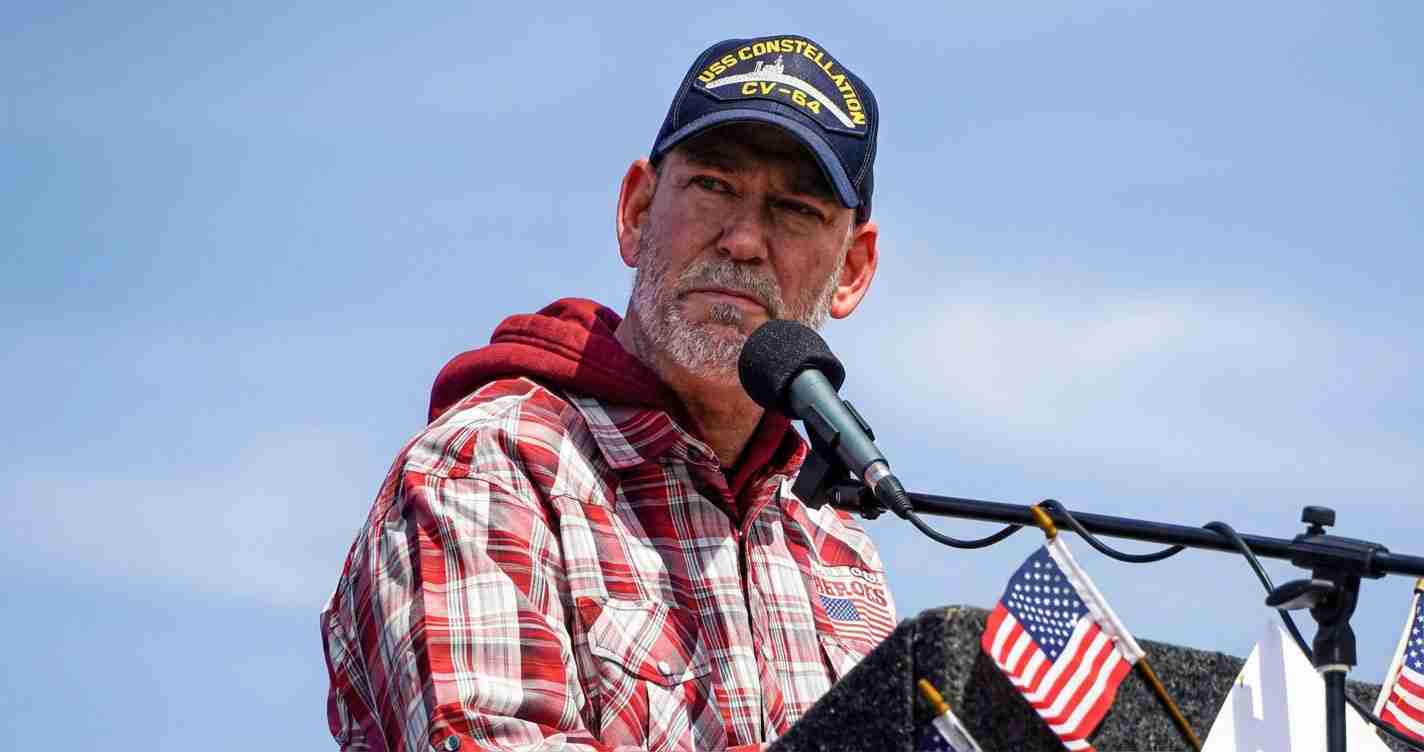
Background: Dan Osborn is a Navy veteran, industrial mechanic and former labor union leader who rose to national attention during his 2024 independent run for Senate and narrowly lost by seven points. He announced his 2026 Senate campaign on July 8, 2025, again challenging Sen. Pete Ricketts.
Osborn’s populist message targets working-class Nebraskans with emphasis on small businesses, middle-class jobs, Social Security and limits on corporate influence. He has advocated term limits and ranked-choice voting as reforms to break establishment control. More background is available on Dan Osborn’s Wikipedia page and the campaign platform at the Osborn campaign materials.
At the same time, reporting notes ties to Democratic circles, including contributions and endorsements from Democratic figures and organizations — a fact critics use to question his independence.
Political context for Nebraska Senate Race 2026
Osborn positions himself as a populist challenger to incumbent Sen. Pete Ricketts, warning that Ricketts could spend heavily to hold the seat. Polling has shown some close internal numbers — one April 2025 internal survey put Ricketts at 46% and Osborn at 45% — yet national rating services still generally view the seat as leaning Republican. Local coverage and race context are discussed by Nebraska Public Media.
Osborn’s 2024 fundraising haul, reported at roughly $15 million primarily from small donors, plus labor endorsements such as from the American Federation of Government Employees, have sustained his insurgent profile.
Campaign finance transparency questions
Disclosure advocates argue that payments to family-run firms or relatives can make it harder for voters to verify services rendered. They urge campaigns to provide clearer descriptions of services when reporting payments and for watchdogs to press for more granular disclosure rules. The FEC candidate page provides official filings and data standards.
Supporters respond that hiring trusted aides and relatives is common in politics and that experience can come from nontraditional political backgrounds; the campaign contends all payments were lawful and for real services.
Implications for Las Vegas, Nevada
Political ripple effects: High-profile contests nationwide shape local debates. The Osborn case could prompt Nevada campaigns to tighten disclosure and public explanations when family-run firms are paid.
Transparency pressure: Local watchdogs and newsrooms in Las Vegas may push for clearer reporting and more granular descriptions of vendor services when large payments are disclosed.
Voter trust: Urban moderates who value government accountability may scrutinize similar payment patterns more intensely, pressuring candidates to document consultant work.
Fundraising models: Osborn’s small-donor fundraising and populist pitch may interest Nevada activists; the controversy could encourage campaigns to show donors how money is spent to avoid headlines about family payments.
Practical lessons: Even lawful payments to relatives can become a media issue — Nevada campaign managers may adopt formal contracts, clearer public explanations and detailed records to limit distractions.
Reporting and sources
- Reporting by Fox News Digital on campaign payments to family.
- Federal Election Commission filings and candidate records at the FEC candidate page.
- Osborn campaign materials and platform at Osborn campaign materials.
- Nebraska Public Media coverage of the 2026 race at Nebraska Public Media.
- AFGE endorsement details at the AFGE endorsement.
- Background on Osborn at Dan Osborn’s Wikipedia page.