House passes SAVE America Act, sparking fight over voter ID and proof of citizenship
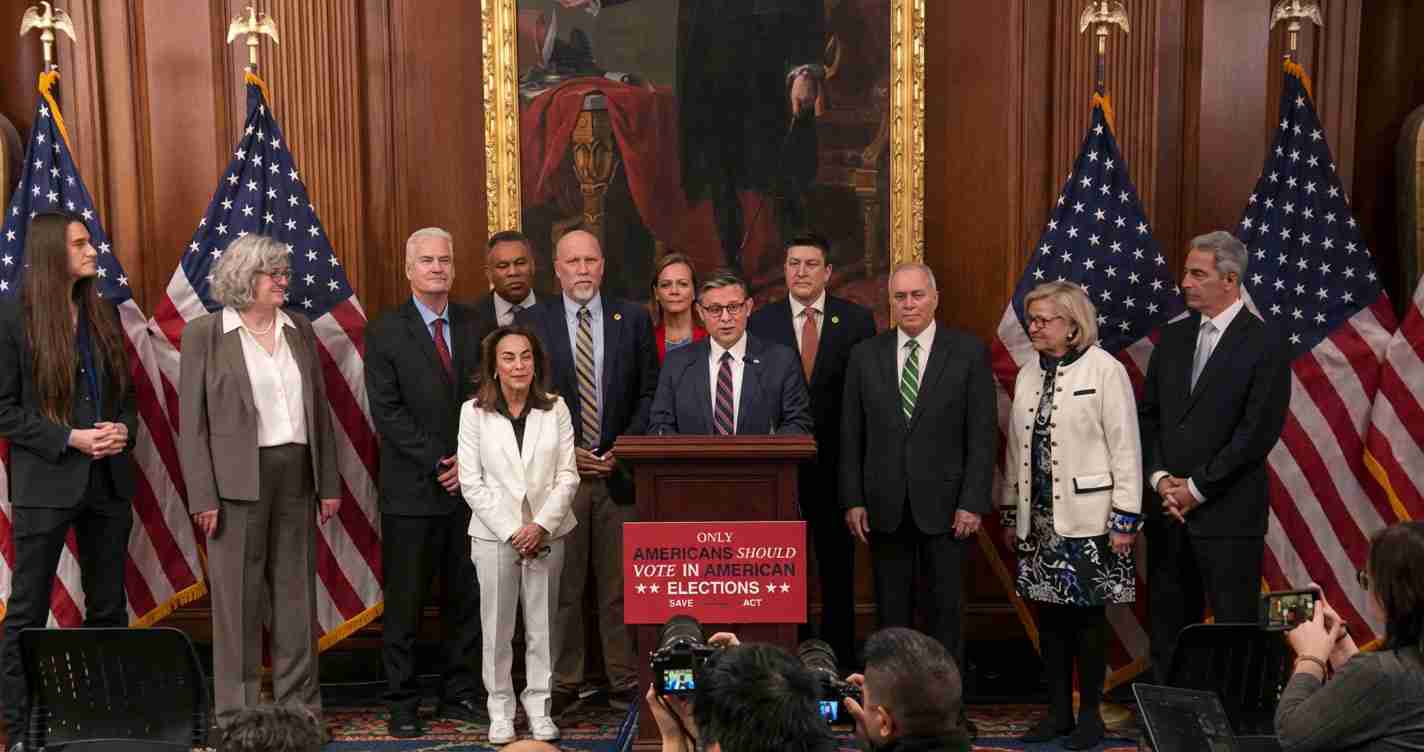
WASHINGTON — On Wednesday, Feb. 11, 2026, the U.S. House approved the SAVE America Act (S. 1383), a Republican-led election bill that would require proof of U.S. citizenship to register and a photo ID to vote, drawing sharp partisan debate.
- Vote: House approval was 218–213; all House Republicans voted yes and all Democrats voted no except Rep. Henry Cuellar (D-Texas). Politico’s live coverage
- Key changes: The bill would add a federal proof-of-citizenship requirement at registration and mandate photo ID for federal elections; it also expands federal–state data sharing. Rep. Roy’s press release
- Outlook: The measure faces steep obstacles in the Senate and likely lacks the 60 votes needed to overcome a filibuster. Senate outlook (Politico)
What the SAVE America Act would change
The SAVE America Act updates an earlier House-passed version from April 2025, keeping many original elements and adding a nationwide photo ID mandate for federal contests. The bill relies on an existing Senate shell (S. 1383) to move quickly through the House. Key legislative text and background are available via legislative records and the sponsor’s press release.
Major provisions
- Proof of citizenship: Adds a federal requirement that in-person registrants for federal elections provide documents showing U.S. citizenship (for example, REAL ID-compliant identification). Sponsor details
- Photo ID mandate: Requires voters to present a photo ID to vote in any federal election. Supporters cite public polling; critics dispute the interpretation of those polls. Related reporting • Majority Leader summary
- Data verification: Mandates more frequent use of federal data sources to identify and remove possible non-citizen registrants. Sponsor details
- Federal–state information sharing: Expands sharing between state election officials and federal agencies, including DHS, with language that could permit immigration follow-up when non-citizens are discovered on rolls. Sponsor details
How supporters describe the bill
House Republicans argue the SAVE America Act is a necessary measure to protect election integrity and prevent non-citizen registration and voting amid high immigration numbers. GOP leaders say the bill will restore public confidence and point to polling they interpret as broad support for voter ID. See the Majority Leader’s summary for party messaging.
“The bill protects citizens’ voting rights and strengthens trust in elections,” said Rep. Chip Roy, the House sponsor.
How critics respond
Democrats and voting-rights groups call the bill a form of voter suppression, noting that verified instances of non-citizen voting are rare and warning that proof-of-citizenship and photo ID mandates would create new barriers for voters — especially in urban and minority communities. Analysts say less disruptive verification tools and more funding for state election systems could address concerns without sweeping federal mandates. See reporting and analysis from Politico and the Bipartisan Policy Center.
Votes and political dynamics in the House
The final tally split almost entirely along party lines: 218 Republicans in favor and 213 Democrats opposed, with Rep. Henry Cuellar (D-Texas) the lone Democratic yes. The push reflected pressure from conservative leaders and public figures; some hard-line conservatives considered attaching the measure to must-pass funding bills but ultimately stepped back. See Politico’s live coverage for vote-by-vote details.
Legal and practical questions
The bill would amend portions of the National Voter Registration Act of 1993 and raises complex federalism questions about the scope of federal authority over elections. Several Senate Republicans have warned against sweeping federal mandates on election administration, and at least one GOP senator warned parts of the bill amount to federal overreach. Read further context in Politico’s reporting.
Senate outlook and next steps
Unlikely to advance in current form: The Senate does not have the 60 votes needed to break a filibuster for this measure, and several senators have publicly expressed concerns about imposing national mandates on state-run elections. House backers framed passage both as policy and as a political signal ahead of the 2026 midterms. See media coverage.
Responses from officials and stakeholders
Sponsor Rep. Chip Roy defended the bill as protecting citizens’ voting rights, while Democrats called it partisan and discriminatory toward urban and minority voters. Voting-rights organizations signaled they would challenge the law in court if enacted. Independent analysts urged careful study of implementation costs and effects. See the sponsor’s release, news coverage, and analysis from the Bipartisan Policy Center.
Potential consequences if enacted
If implemented as written, states would face new administrative burdens: changing registration systems, investing in data-matching tools, expanding ID-access programs, and responding to increased federal information requests. The law could prompt constitutional and federalism legal challenges and shift more verification duties to states — with a potential new enforcement role for federal agencies. See the bill text and the sponsor’s summary.
Implications for Las Vegas, Nevada
Economic impact
- Implementation costs: Nevada election officials may need funding to update registration databases, add verification tools and run ID-access outreach. Bipartisan Policy Center analysis
- Business and tourism: Voter-law changes are unlikely to directly affect Las Vegas tourism, though political controversy could shape perceptions in an election year.
Political consequences
As a swing state, Nevada — and Clark County in particular — could see turnout patterns shift if registration and ID requirements change. Campaigns and community groups will likely adjust field operations to help voters meet any new requirements, and local election officials may become political targets over how they implement rules.
Social effects
Las Vegas’ sizable Hispanic and immigrant populations could face greater hurdles obtaining government identification or navigating registration paperwork, raising concerns about inadvertent disenfranchisement. Outreach, expanded ID access and targeted assistance would be critical to reduce the risk of lost votes. See related reporting.
Cultural relevance
The debate over the SAVE America Act taps into broader cultural conversations about immigration, identity and civic participation. While voter ID polls well with many voters nationally, opinions vary across demographic groups and local contexts.
Practical applications for voters and local officials
- ID access: County clerks and the DMV may need to expand hours, reduce fees or run mobile ID clinics to help residents obtain REAL ID-compliant identification.
- Registration drives: Community groups and campaigns will likely increase outreach to help voters meet new requirements and avoid disenfranchisement.
- Legal readiness: Local election offices should prepare for possible court orders, federal inquiries and increased data-sharing requests. See the sponsor’s release and the Bipartisan Policy Center for implementation context.
Reporting and sources
This report draws on legislative materials, official statements and newsroom coverage. Key sources include Politico’s live coverage of the vote, the bill sponsor’s press release, legislative records, the Majority Leader’s summary, analysis from the Bipartisan Policy Center, and additional reporting in national outlets such as Fox News.