
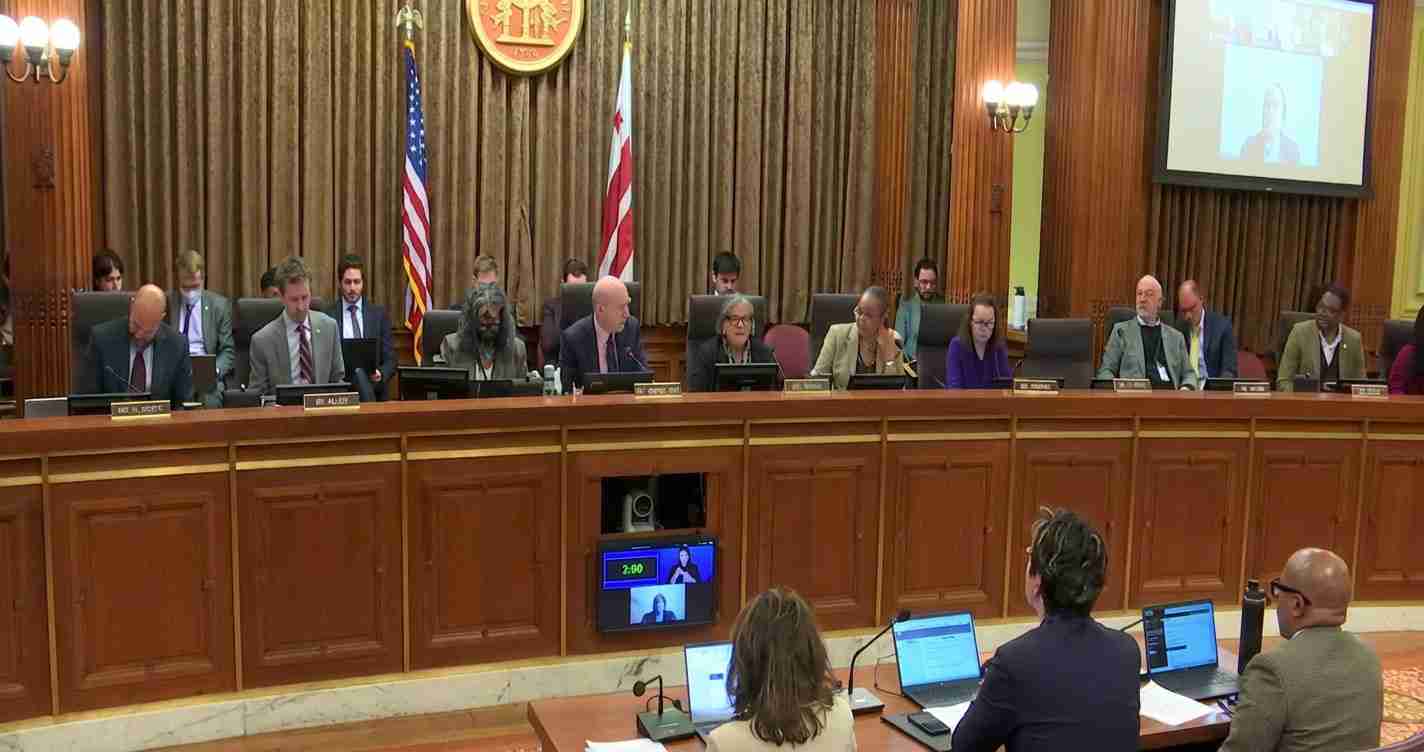
House votes to block D.C. tax decoupling, setting up clash over city autonomy and a possible $600–700 million shortfall
On Feb. 4, 2026, the House approved a disapproval resolution, 215–210, to nullify Washington, D.C.’s emergency law decoupling local taxes from parts of the One Big Beautiful Bill Act — a move officials warn could cost the city an estimated $600–700 million over five years.
- House vote: The House passed the disapproval resolution 215–210 on Feb. 4, 2026, largely along party lines.
- Financial risk: D.C. leaders warn the action could create a $600–700 million shortfall across five years and disrupt tax filings.
- Constitutional clash: The measure revives debate over Congress’s oversight of the District versus local autonomy.
- Uncertain path: The resolution’s future depends on Senate action and committee review; its immediate effect is political pressure and administrative disruption.
What the House voted on and why it matters
On Feb. 4, 2026, the House approved a congressional disapproval resolution, voting 215–210 to nullify a D.C. emergency ordinance that would have decoupled parts of the District’s tax code from provisions of the federal One Big Beautiful Bill Act (H.R. 1). Republicans framed the action as protecting federal tax relief intended for working families; Democrats called it federal overreach into local governance.
“This is Congress exercising its constitutional authority over the District,” said supporters on the floor; D.C. leaders answered that the move would harm services and residents.
Video reports and floor coverage are available: Video report (House floor) and Video report (press coverage).
D.C.’s decoupling move: what the local law did
In December 2025, the D.C. Council passed emergency legislation to decouple local taxes from several federal changes in the One Big Beautiful Bill Act. The local measures aimed to preserve or restore city-level benefits — including restoring the child tax credit and expanding the Earned Income Tax Credit (EITC) — to protect low- and moderate-income residents and maintain city services.
Local advocates argued the ordinance would limit revenue loss and administrative disruption if the city were required to adopt federal changes directly. City officials and groups such as DC Vote and Free DC warned that congressional nullification would create a large budget gap and complicate tax filing season.
For policy background, see the policy background on federal proposals and the IRS summary of One Big Beautiful Bill provisions.
Lawmakers’ reactions and political stakes
Republicans — led on the floor by Rep. Brandon Gill (R-Texas) — said blocking D.C.’s decoupling would prevent local officials from denying federal tax relief to residents. GOP messaging stressed protecting household tax relief ahead of midterm elections.
Democrats and D.C. leaders — including non-voting Del. Eleanor Holmes Norton (D-D.C.) and Sen. Chris Van Hollen (D-Md.) — called the vote federal overreach that would harm public services and worsen a looming budget crisis. They pointed to projected multi-year revenue shortfalls if the federal changes were enforced in full.
Unverified claims and the record
Several claims in the debate require scrutiny; key points include:
- Taxes on tipped and overtime wages: Public summaries and IRS guidance do not show a blanket elimination of taxes on tipped or overtime wages. GOP messaging referenced narrow payroll-related changes, but no definitive public source confirms a general elimination.
- Rep. Gill’s quoted Fox News Digital line: Floor remarks show Gill leading the effort and expecting a partisan vote, but a direct Fox News Digital citation for the quoted line could not be located in reviewed materials.
- Exact fiscal figures: D.C. officials cited estimates in the $600–700 million range over five years; some briefings referenced $658–700 million. Those numbers derive from District analyses and advocates; independent verification requires the District’s fiscal models.
Readers should note much immediate reporting comes from video coverage of the House floor and press events; full legislative texts, committee reports and official D.C. scorekeeping will clarify long-term projections. See the House bill context for related federal action.
DC tax decoupling resolution and federal oversight: precedent and process
The dispute highlights the constitutional tension over Congress’s unique authority over the District and D.C.’s push for local self-determination. The disapproval resolution mechanism is a recurring tool Congress has used to nullify or alter District policy, producing high-profile clashes over basic services and local priorities.
The resolution now faces an uncertain path in the Senate; without Senate action the House vote remains a political statement with immediate administrative and budgeting implications for the District.
Implications for Las Vegas, Nevada
Although the vote directly affects Washington, D.C., lessons for Las Vegas and Clark County are notable:
- Economic and budgetary parallels: Federal intervention in local tax choices could set a precedent affecting how municipalities tailor tax credits and relief for tipped and service-sector workers important to Las Vegas’s tourism and gaming economy.
- Political consequences: The episode may shape Nevada political messaging about local control versus uniform national tax policy ahead of elections.
- Worker and household effects: Conflicting federal and local rules create payroll and filing confusion for tipped workers and could strain local support programs.
- Policy preparation: Nevada policymakers should monitor Senate action and legal analyses and prepare contingency plans, payroll guidance and communication strategies for affected employers and workers.
Sources and reporting
This article draws on immediate video coverage and reporting: Video report (primary), Video report (secondary), the policy explainer, the IRS summary, and related federal statements including the House bill context.
Reporting note: Video sources capture immediate remarks and press events; readers seeking full legislative texts, fiscal scorekeeping and D.C. fiscal models should consult official House and D.C. budget documents for definitive figures and statutory language.



