
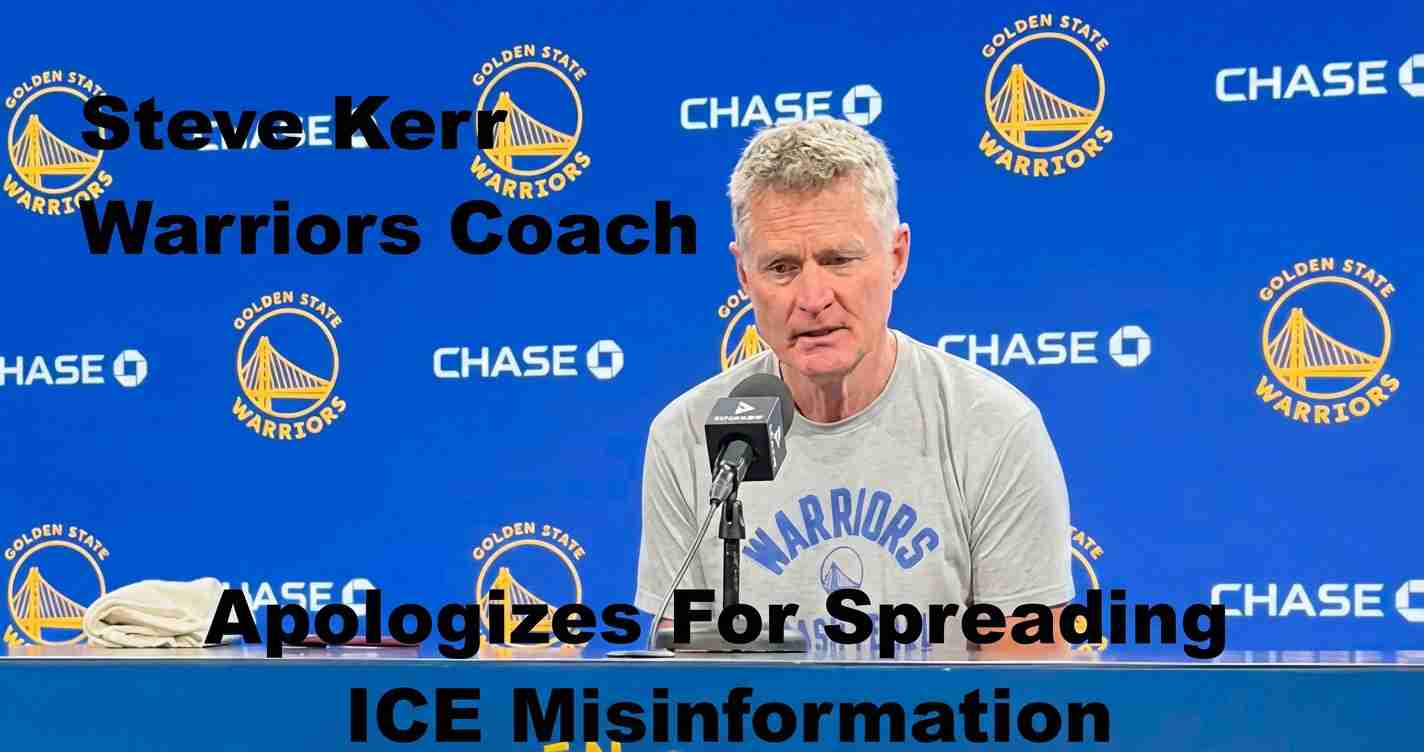
Steve Kerr apologizes after misstating ICE detained “5‑year‑old kindergartners”; DHS, records and video raise questions
Golden State Warriors coach Steve Kerr apologized after admitting he misspoke about ICE detaining “5‑year‑old kindergartners” and U.S. citizens, retracting that claim while reiterating calls for legislative immigration reform and criticizing enforcement tactics, and urging measured public discourse.
- Key takeaways:
- Kerr acknowledged he “definitely misspoke” and apologized during a pregame interview with OutKick.
- DHS and ICE disputed Kerr’s depiction; records from Operation Metro Surge show arrests of serious violent offenders.
- The remarks came amid protests and fatal federal shootings in Minneapolis that heightened attention and amplified clips online, including a widely circulated YouTube short.
What Kerr said, and his later apology
After a loss in Minneapolis, Kerr described “a really bizarre few days” and criticized federal tactics, saying, “It’s not like they’re rooting out violent criminals, they’re taking 5‑year‑old kindergartners and U.S. citizens and detaining people,” and urging that immigration be handled “legislatively, not by military force in the streets.” This quoted phrasing circulated widely on social platforms.
“You’re right, I definitely misspoke, and I knew that ICE was arresting some criminals… I immediately regretted it because I knew that to be the case.” — Steve Kerr, pregame interview
During a Friday pregame session at Chase Center, Kerr told OutKick he had erred on the specific factual claim but maintained his broader criticism of enforcement tactics and called for Congressional action.
DHS account and the case of the 5‑year‑old
DHS and ICE issued a different account. In the incident Kerr referenced — the brief custody of 5‑year‑old Liam Conejo Ramos — officials said agents were seeking the child’s father, who fled and left the child alone in a running vehicle in freezing temperatures. Agents attempted to place the child with his mother, who reportedly declined custody; the child was taken briefly for safety reasons, per the DHS summary cited in reporting by OutKick.
Public records tied to ICE’s Operation Metro Surge list arrests of convicted murderers, sex offenders and other violent offenders in the region, countering a blanket claim that agents were not “rooting out violent criminals.” (Source reporting: OutKick.)
Minneapolis context: protests, shootings and heightened attention
Kerr’s remarks arrived during a tense period in Minneapolis after the fatal Border Patrol shooting of 37‑year‑old Alex Pretti and the earlier killing of Renee Good. A Warriors game was postponed and anti‑ICE protests occurred outside the scheduled Sunday game. The NBA Players Association condemned the shootings and expressed support for protesters while offering condolences to families.
Local demonstrations and video clips — including a widely shared YouTube short — amplified Kerr’s “taking kindergarteners” phrase and fueled debate about accuracy and intent.
Misinformation, media and the “for‑profit” news cycle
Kerr himself had warned about misinformation. He has criticized a “for‑profit” news cycle that can divide the country; his misstatement illustrated that dynamic, showing how a high‑profile figure can criticize enforcement while inadvertently spreading an inaccurate detail.
Short clips and selective postings on social platforms can quickly shape public perception, pressuring public figures to respond rapidly and sometimes without full verification — a pattern noted in reporting by Sports Illustrated and Awful Announcing.
How officials and the NBA reacted
The Department of Homeland Security disputed Kerr’s claim that agents were not targeting violent criminals and pointed to arrests under Operation Metro Surge. The NBA Players Association condemned the shootings and backed protesters’ calls for accountability. Kerr’s apology acknowledged a factual error but did not withdraw his broader policy critique.
Sources and reporting
This story draws from multiple outlets and posted video documenting Kerr’s comments and local events in Minneapolis. Primary sources and reporting include:
Implications for Las Vegas, Nevada
The episode has potential local effects in Las Vegas across economic, political, social and cultural dimensions. Below are key areas urban moderate readers and local leaders should consider.
Economic impact
Las Vegas hosts national sports events and depends on tourism and hospitality workers, including many immigrants. Public disputes about federal immigration enforcement can affect tourism messaging and employer confidence. Local nonprofits helping immigrants may see increased demand if enforcement actions attract attention or spark protests.
Political consequences
Nevada leaders may face pressure to clarify positions on public safety, cooperation with federal enforcement, and municipal responses. The incident places urban moderates at the crossroads of supporting law enforcement while protecting due process and family safety.
Social effects
Coverage of a high‑profile figure’s inaccurate claim can inspire local demonstrations or online campaigns. Community groups, schools and faith organizations frequently step in to assist families and may need to expand outreach and legal‑aid services when anxiety rises.
Cultural relevance
Sports figures carry influence in Las Vegas, where professional and major college sports have grown. Kerr’s apology may remind residents and leaders that public speech has consequences and that fact‑checking matters when athletes and coaches weigh in on civic issues.
Practical applications for residents
- Verify claims from public figures before sharing; prefer official statements from DHS or ICE and trusted local outlets such as OutKick or Fox News when cited.
- Families concerned about enforcement should contact local legal aid clinics, immigrant advocacy groups and hotlines for guidance.
- Employers and schools should prepare communication plans to address employee and family concerns quickly and accurately when incidents gain national attention.
The episode — Kerr’s initial words, rapid spread of a clip, DHS pushback and the coach’s apology — illustrates how quickly national debates over immigration can move from stadiums to city streets and how careful reporting and measured public comment matter locally.



