Fifty‑Seven House Republicans Join Democrats to Defeat Massie Amendment on Vehicle “Kill Switch” Mandate
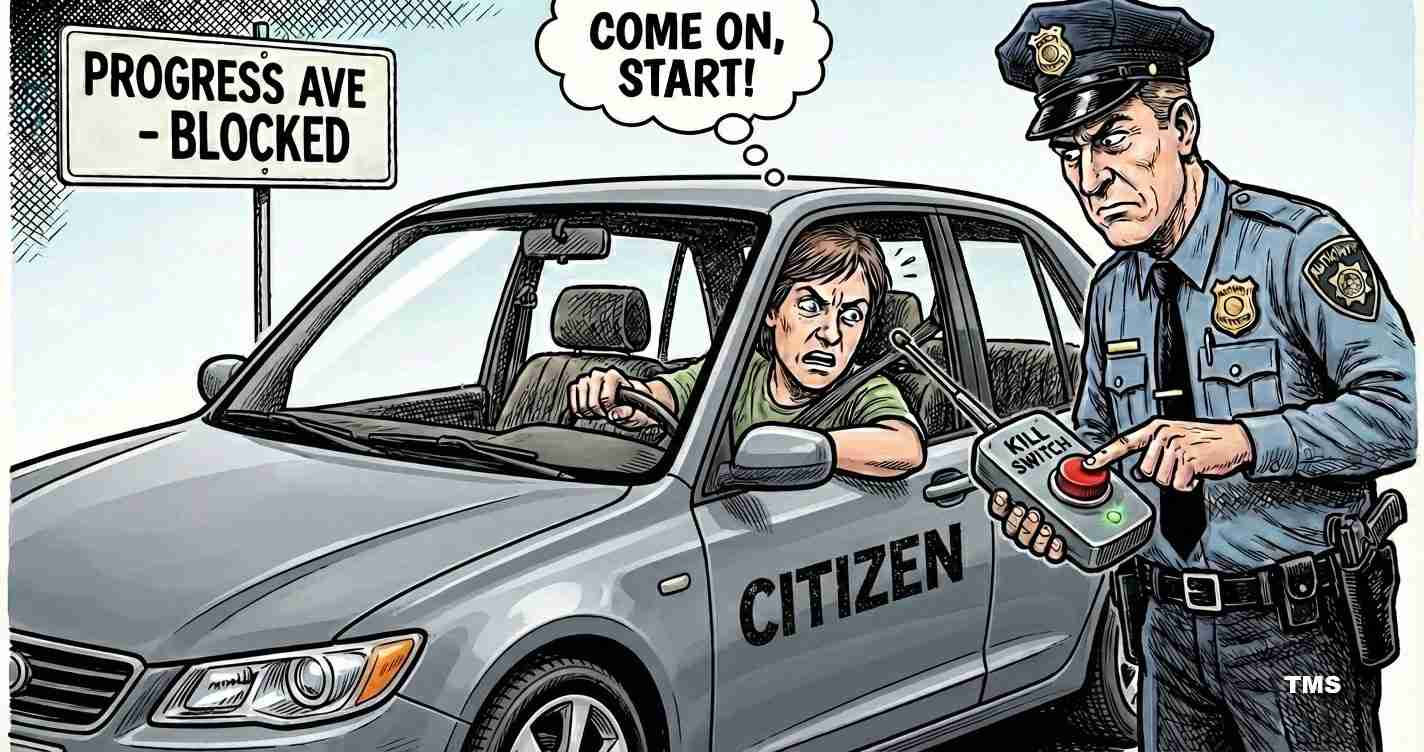
On January 22, 2026, the House voted 268‑164 to defeat Rep. Thomas Massie’s amendment that would have repealed a Biden‑era Vehicle Kill Switch mandate requiring systems to detect and prevent impaired driving, prompting debate over safety and civil liberties.
- House vote: The Massie amendment was defeated 268‑164 on Jan. 22, with 57 Republicans joining most Democrats in opposition — coverage by Fox News and the amendment record on Congress.gov.
- Scope: The amendment sought to bar federal spending to develop or enforce the Vehicle Kill Switch Mandate contained in Section 24220 of the 2021 Infrastructure Investment and Jobs Act — see analysis from Competitive Enterprise Institute and official actions on Congress.gov.
- Context: The amendment was offered during consideration of H.R. 7148, a $1.2 trillion funding minibus that ultimately passed the House 341‑88 — reporting by Politico and Fox News.
What the amendment would have done
Rep. Thomas Massie’s amendment sought to stop federal funds from being used to set rules or enforce the so‑called Vehicle Kill Switch Mandate. The original mandate — Section 24220 of the 2021 Infrastructure Investment and Jobs Act — directed the NHTSA to develop standards for systems that would passively monitor drivers and prevent or limit a vehicle’s operation if impairment were detected. See the amendment text and related entries on Congress.gov and reporting by Fox News.
Supporters of the amendment
- Privacy and government overreach: Backers argued federal money should not go toward technology that could turn a car into an enforcement tool. The text, offered by Massie and co‑sponsors including Reps. Scott Perry (R‑PA) and Chip Roy (R‑TX), would have barred spending on development or application of systems described as countering “advanced drunk and impaired driving.” See commentary from RoyFMC and the amendment record on Congress.gov.
- Practical concerns: Supporters warned of false positives, enforcement errors and lack of clear appeals processes if a vehicle disables a driver inadvertently.
Why the vote drew backlash from conservatives
Conservative lawmakers and commentators criticized the 57 House Republicans who opposed the amendment, framing the mandate as a step toward government surveillance and loss of individual control over everyday devices. Florida Gov. Ron DeSantis posted on X calling the idea “something you’d expect in Orwell’s 1984,” and Rep. Keith Self wrote on X: “57 House Republicans just joined almost all the Democrats to ensure the government can shut off your car whenever it wants.” Coverage by Fox News.
Arguments on the House floor
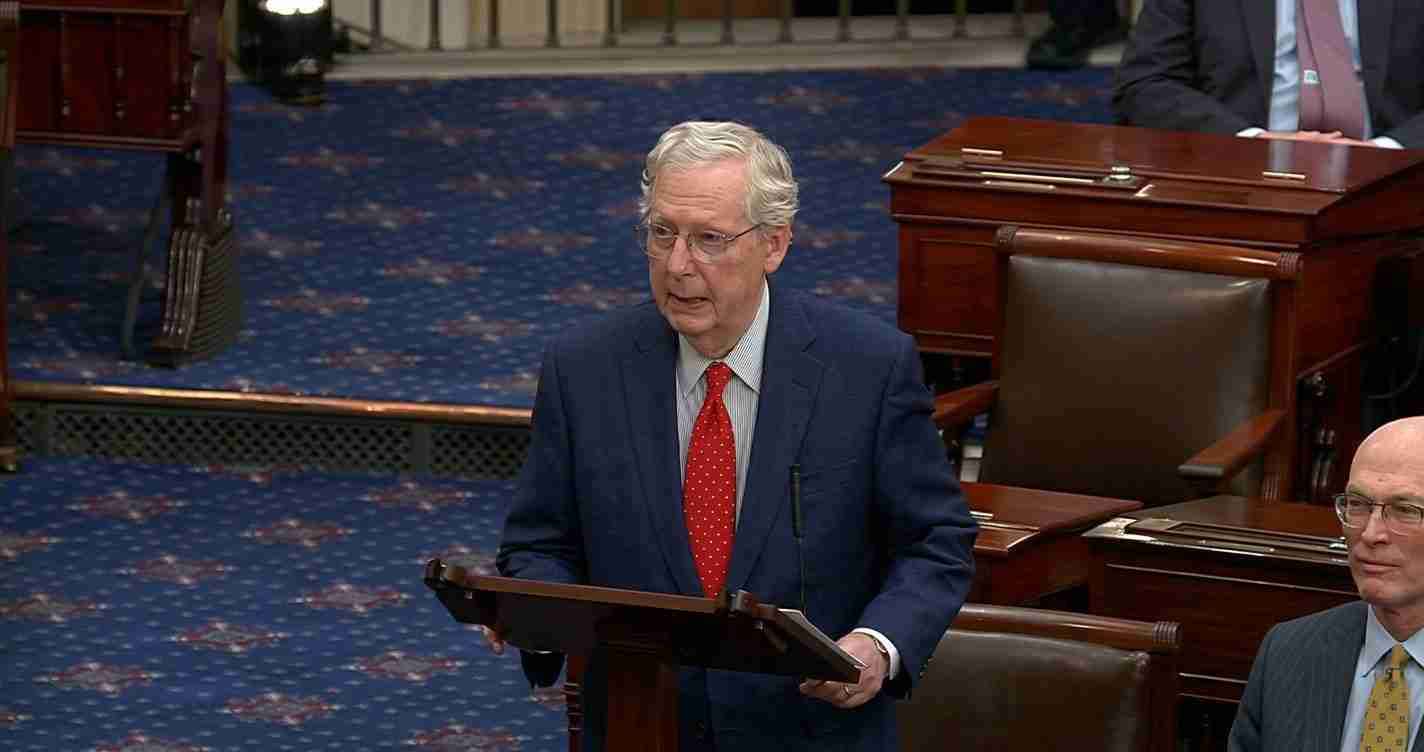
Rep. Thomas Massie delivered a blunt floor speech against the mandate, calling the technology “Orwellian” and warning of false positives and practical problems:
“Every vehicle manufactured is going to have to have a kill switch… There’s going to be so many false positives,” Massie said, asking how drivers could appeal when a car decides they cannot drive.
Rep. Scott Perry, yielding time for the amendment, warned similarly:
“The car is going to be the judge, jury, and sentencer… They’re going to be shutting your car off when they decide, whatever they decide.”
Read floor coverage and commentary on RoyFMC and Fox News.
Supporters of keeping the mandate point to public safety
Lawmakers opposing the amendment argued that technological tools could save lives by stopping impaired drivers before crashes occur. They said the mandate was designed to spur automakers and regulators to find workable systems to detect impairment and prevent tragedies. The funding minibus that included the vote covered wider priorities for defense, housing, transportation and health; the full minibus later passed 341‑88. See full congressional action on Congress.gov and reporting by Politico.
Where the rulemaking stands
NHTSA was instructed by the 2021 law to issue proposed rules by November 2024 for systems that could be phased in beginning in 2026. The agency has reported it is “working diligently” with vehicle manufacturers but faces technical challenges — notably distinguishing alcohol impairment from drowsiness or distraction. As of this report, NHTSA has not issued a final rule. Coverage at Fox News and the congressional record on Congress.gov.
Limitations and transparency
Public reporting shows the roll call — 164 in favor of the amendment, 268 against — but a full list of the 57 Republicans who opposed Massie alongside Democrats was not readily available in reviewed sources. The official amendment text and House actions are documented on Congress.gov.
Reaction from the White House and federal agencies
As of this reporting there was no formal response from the White House to the House vote or to calls for repeal. NHTSA has acknowledged both technical and policy difficulties and says it continues to work with industry and stakeholders. See coverage on Fox News.
Broader policy and legal questions
The debate highlights two central tensions that will shape policy: the balance between public safety gains and personal privacy/civil‑liberty risks, and the technical reliability of systems asked to make split‑second safety decisions. Opponents stress false positives and government control; supporters emphasize the human cost of impaired driving and existing tools such as ignition interlocks used in 31 states for convicted offenders. Sources: Fox News, RoyFMC.
Implications for Las Vegas, Nevada
Economic impact: Las Vegas’ tourism and large taxi, rideshare and rental fleets could face new costs if automakers pass compliance or retrofit expenses to buyers, affecting fares, rental rates and small business margins. See congressional action on Congress.gov.
Public safety: Clark County and Las Vegas may benefit from reliable systems that reduce impaired-driving crashes, especially during peak tourist events — but policymakers must weigh technology limits against established enforcement tools such as sobriety checkpoints and ignition interlocks. Reporting and commentary at Fox News and RoyFMC.
Privacy and civil liberties: Residents and visitors may object to in‑vehicle cameras or sensors that passively monitor behavior. Local privacy advocates and state officials could press for strict rules on data collection, retention and government access, and Nevada lawmakers may consider consumer protections or limits on remote vehicle control. See CEI and Fox News.
Industry and jobs: Nevada’s auto repair and tech workforce could need retraining or investment to support new systems if rules are finalized; local trade groups will likely monitor NHTSA closely and lobby for clear timelines and support. Reference: Congress.gov.
Political consequences: The House vote exposed GOP splits and conservative backlash; for moderate urban voters in Nevada, the episode may intensify scrutiny of candidates’ stances on regulation, privacy and public safety. Reporting: Fox News, Politico.
Next steps for local stakeholders: City and county leaders in Las Vegas should monitor NHTSA rulemaking and congressional action, consider hearings, collect input from rideshare firms, rental car companies, privacy groups and law enforcement, and ask federal lawmakers to clarify funding effects and consumer protections. Official records and actions: Congress.gov.
Reporting notes and sources
This story draws on the House roll call and amendment text recorded on Congress.gov and the full actions record on Congress.gov; coverage and reporting by Fox News and Politico; analysis and commentary from policy groups including the Competitive Enterprise Institute; and local summaries and commentary at RoyFMC.