Iran army chief warns of Iran preemptive military action after Trump’s ‘locked and loaded’ comment
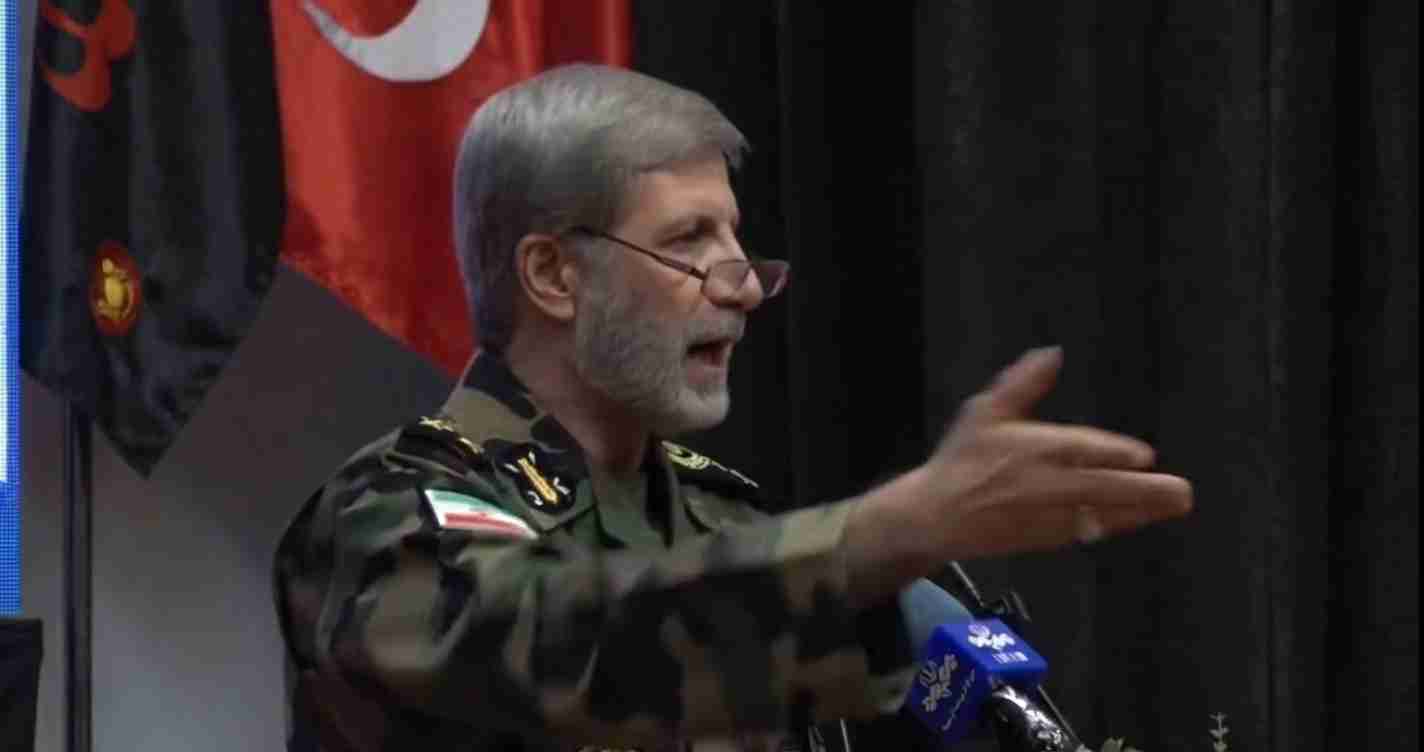
Maj. Gen. Amir Hatami, Iran’s army chief, warned of potential “pre‑emptive military action” after President Trump said the U.S. was “locked and loaded” to act if Iran harms protesters, heightening tensions amid nationwide unrest and economic strain.
- Maj. Gen. Amir Hatami, commander of Iran’s regular army (Artesh), warned Iran may act first if it judges threats from the U.S. or Israel are moving toward attack.
- Hatami said Iran’s forces are “far more prepared than before the war,” and vowed a “decisive response” to any aggression.
- The warning followed President Trump’s “locked and loaded” remark, which Tehran viewed as unacceptable interference amid protests and economic turmoil.
Hatami’s warning and how it was framed
Speaking at the Army Command and Staff University in Tehran, Maj. Gen. Amir Hatami framed recent U.S. and Israeli statements as a direct threat to Iran’s sovereignty. He said the Islamic Republic would not leave such rhetoric “without a response” and reserved the right to act first if it judged that enemy rhetoric was turning into imminent danger.
State‑linked outlets in Tehran carried Hatami’s remarks and international media picked them up. His language was intentionally stark:
“If the enemy commits an error, it will face a more decisive response, and we will cut off the hand of any aggressor.”
Analysts say the line is meant to raise the perceived cost of intervention and to rally domestic audiences.
Context: Trump’s ‘locked and loaded’ remark and escalation in rhetoric
Hatami’s warning came after President Donald Trump said the U.S. was “locked and loaded” to respond if Iran used lethal force against protesters, a comment Tehran called unacceptable meddling. That exchange added to what Iranian officials describe as dangerous tensions between Iran, the U.S. and Israel.
Hatami referenced the recent “12‑day war” in June, when Israeli strikes reportedly killed senior Iranian commanders and U.S. actions targeted nuclear sites. He argued Iran’s military is stronger now and that Tehran compelled a halt to aggression with missile and drone reprisals, underscoring claims of increased deterrence.
Hatami’s role and why his words matter
Hatami is commander in chief of Iran’s regular army (Artesh), a post that has become more prominent after senior commanders were killed in summer fighting. Observers note he is the first regular army officer in decades to hold a role long dominated by the IRGC, signaling a shift in Tehran’s deterrence messaging and possible internal changes to military roles.
Domestic unrest, economic strain and the backdrop to the threats
Iran has experienced weeks of nationwide protests tied to a sharp fall in the rial and rising food prices. Reports indicate tens have died and more than a thousand arrested during demonstrations driven by economic hardship. Tehran blames Western sanctions and alleged outside meddling while rolling out modest cash subsidies aimed at easing pressure.
Government messaging has two themes: acknowledgment of economic grievances and insistence that escalated unrest results from foreign interference. Officials, including Hatami, accuse the U.S. and Israel of trying to stoke protests — a narrative that can be used to portray foreign comments as justification for a military response.
Media coverage and differing emphases
International outlets emphasized the preemptive‑attack language and the link to Trump’s warning, while state‑linked Iranian media stressed national defense, enemy meddling, and Iran’s increased military readiness. These competing frames reflect either a focus on escalation risk or on sovereignty and resistance to interference.
Implications for Las Vegas, Nevada
Economic impact
A new escalation in Iran‑U.S.‑Israel tensions could push global oil prices higher. Las Vegas depends on tourism, conventions and travel; higher fuel costs would likely raise airline fares and ground transportation expenses. Hotels, casinos, shows and restaurants could feel strain if costs rise or consumers cut discretionary spending.
Political consequences
Nevada’s political leaders may be pressed to respond to any U.S. escalation or new sanctions. Local lawmakers and the governor could face constituent calls for measured diplomacy, humanitarian aid, or restraint. Officials with national security or veterans’ portfolios may see increased engagement on foreign‑policy questions.
Social effects
Las Vegas’s diverse population includes Iranian‑Americans and families with Middle East ties. Heightened tensions often spur solidarity rallies, vigils or protests. Community groups, cultural centers and faith leaders may organize events to support peaceful dialogue and to protect residents facing discrimination; local authorities usually monitor such gatherings to ensure safety and free expression.
Cultural relevance and practical guidance
Nevada universities, cultural institutions and hospitality groups might host forums explaining the geopolitics behind Hatami’s remarks. Practical advice for residents:
- Travelers: Watch for travel advisories and possible airfare fluctuations; book with flexibility.
- Businesses: Model scenarios for small drops in attendance or higher operating costs.
- Community groups: Prepare safe spaces and coordinate with city officials if demonstrations occur.
- Investors: Expect short‑term volatility in energy and defense‑related stocks tied to Middle East developments.
Sources for this article
Reporting compiled from the above sources. Preserved original facts, information, and URLs.