Maduro captured in Caracas by U.S. Delta Force; arraignment in New York expected as lawyers plan immunity challenge
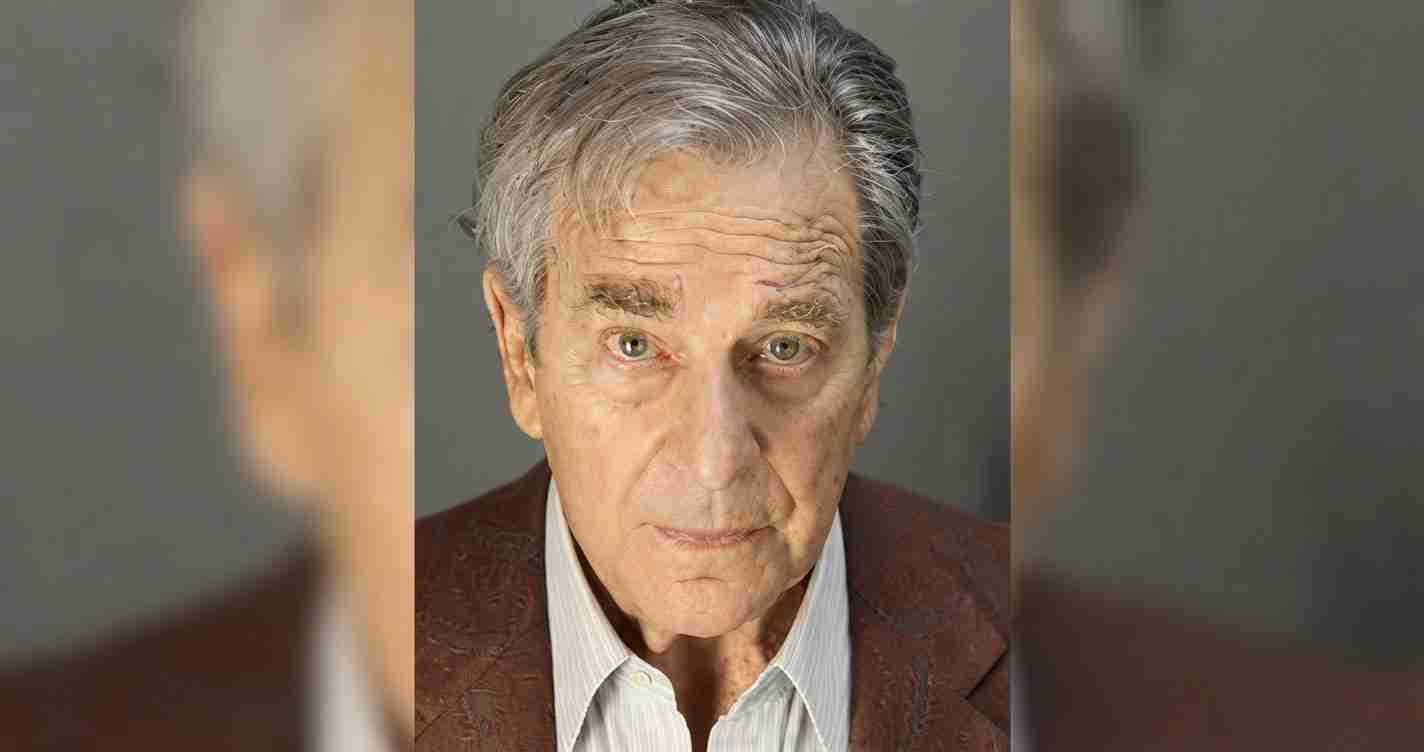
Former Venezuelan President Nicolás Maduro and his wife Cilia Flores were reportedly seized in Caracas by U.S. Delta Force and transferred to New York, where they await arraignment in the Southern District on federal narco-terrorism and drug-trafficking charges.
- Arrest: Maduro and Cilia Flores were reportedly taken into U.S. custody during a Delta Force operation in Caracas.
- Charges: They face federal narco-terrorism and drug-trafficking indictments in the Southern District of New York.
- Legal fight: Defense lawyers plan immediate immunity challenges, asserting head-of-state protections.
- Unconfirmed details: Transport method, exact holding facility and court logistics remain unverified in primary reporting.
The Delta Force operation and criminal allegations
U.S. Army Delta Force reportedly conducted a large-scale military operation in Caracas early Saturday that led to the arrests of Nicolás Maduro and Cilia Flores. Reporting is drawn from a Times Media Service summary of a video report, which attributes the operation to U.S. officials who cite prior federal indictments as the legal basis for the action.
The Justice Department has previously indicted Maduro on counts including conspiracy to import large quantities of cocaine into the United States and operating a narco-terrorism enterprise through violence and corruption. Prosecutors say those earlier indictments formed the legal foundation cited by officials for the operation and subsequent custody in U.S. jurisdiction, per the Times Media Service report.
Transport and arraignment details — confirmed and unconfirmed
Media accounts indicate Maduro and Flores are now in New York and expected to appear for a brief arraignment in the Southern District of New York on Monday. Some reports claim the couple were flown by helicopter from Caracas directly to New York and transferred from a Brooklyn jail to a Manhattan courthouse. Those operational specifics were not independently confirmed by the primary televised summary cited here (Times Media Service summary).
Because detainee movements often remain confidential for security reasons, outlets have reported cautiously. The central, corroborated claim across available reporting is that a U.S. military operation led to custody of Maduro and Flores and they are subject to U.S. federal charges (Times Media Service report).
Legal strategy and immunity claims
Maduro’s defense team is expected to immediately challenge the legality of the arrest, arguing that as a sovereign head of state he is entitled to immunity from U.S. criminal jurisdiction under international law and customary diplomatic protections. Legal experts note this raises complex questions about head-of-state immunity, exceptions for serious crimes and how U.S. courts treat such defenses.
U.S. courts have at times recognized limited immunity doctrines, but exceptions—especially for narcotics trafficking or terrorism—have been carved out in precedent. The initial arraignment is likely to be procedural; substantive motions over immunity, evidence and jurisdiction would follow.
U.S. government justification and policy notes
The report states the operation was authorized by the Trump administration, which cited prior indictments as legal justification for action against Maduro and his alleged criminal network. Officials described it as a targeted mission to remove actors the U.S. alleges are linked to international drug trafficking and narco-terrorism (televised summary).
“The United States would temporarily run Venezuela’s affairs,” the report quotes President Trump as saying, and it notes the Venezuelan Supreme Court directed Vice President Delcy Rodríguez to serve as acting president in the interim (Times Media Service report).
Congressional and international reaction
Lawmakers were reportedly notified after the operation began; members of the House and Senate intelligence committees said briefings occurred following the early Saturday strikes. The move prompted debate over executive authority, oversight and the legal basis for military action on foreign soil. Critics voiced concern about insufficient consultation, while supporters argued secrecy was necessary to preserve operational security (source report).
Internationally, responses remain fluid. Venezuelan officials loyal to Maduro are expected to condemn the operation as a violation of sovereignty. U.S. allies and regional partners will weigh diplomatic and security responses, and long-term geopolitical consequences will depend on actions taken in coming days and weeks.
Statements and denials
Maduro has denied involvement in drug trafficking or ties to terrorist organizations. His capture and the upcoming legal process will be the forum for formal jurisdictional and evidentiary challenges by the defense; U.S. prosecutors will push the indictments and argue the court’s authority to proceed (Times Media Service summary).
Questions of law, precedent and transparency
Scholars and practitioners will scrutinize the case for its implications on the extraterritorial reach of U.S. criminal law, protections afforded to foreign officials, and the role of U.S. special operations in arrests of foreign leaders. Transparency about evidence collection and chain-of-custody will be central to any trial and appeals; many operational and evidentiary details remain classified or unverified in initial accounts (reporting summary).
Implications for Las Vegas, Nevada
Economic impact: Las Vegas’s tourism and hospitality sectors could feel ripple effects from regional instability or oil-price changes that influence airfare and operating costs. Casinos and entertainment operators may face altered fuel and travel expenses.
Political consequences: Nevada leaders and constituents—including large Latinx communities—are likely to seek clarity on oversight and legal bases for the operation. Local elected officials may be asked to weigh in on human-rights and due-process concerns.
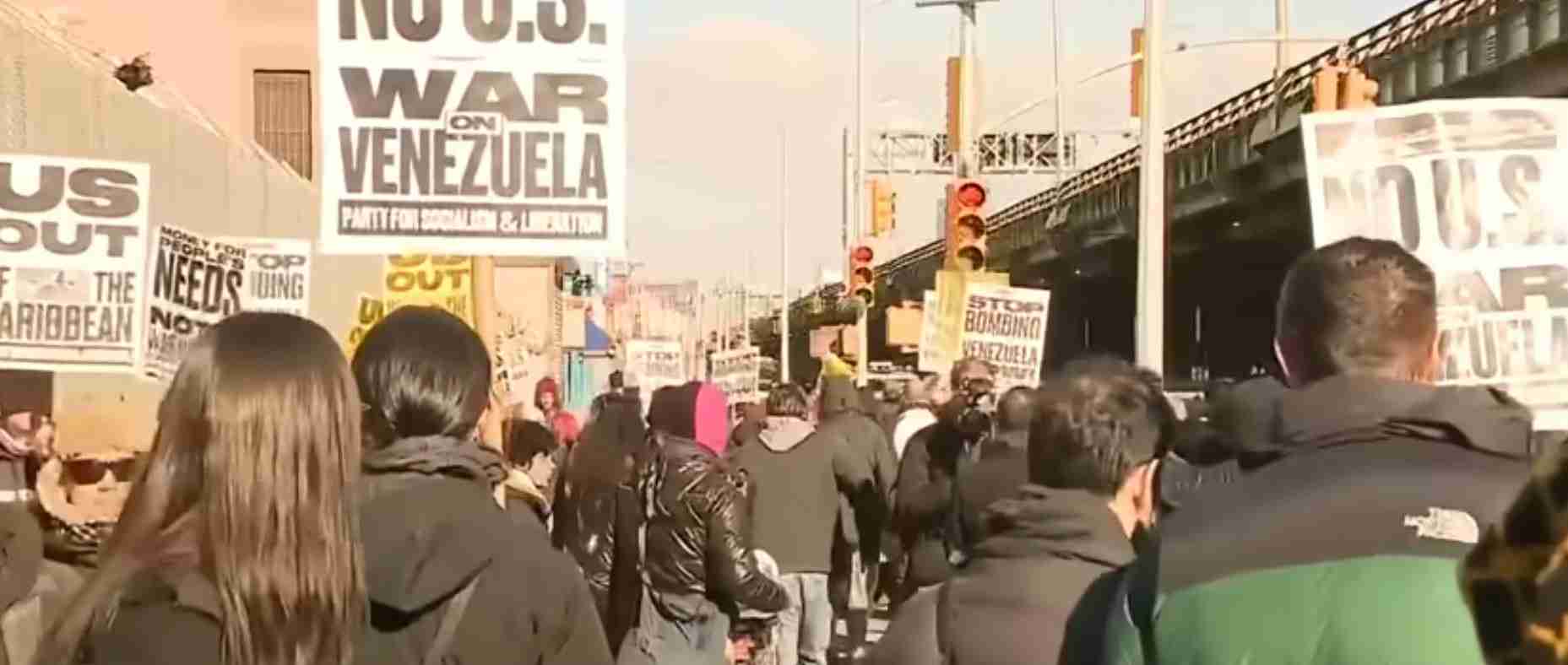
Social and cultural effects: Expect rallies, vigils and community forums. Nonprofits and legal clinics may see increased demand for immigration and family-assistance services. Local media and civic organizations may organize panels to explain legal and human-rights questions.
Practical advice: Travelers to Latin America should monitor advisories. Businesses with oil-linked supply chains should review contingency plans. Community legal clinics may offer Spanish-language sessions for Venezuelan-Americans and affected families.
Sources and verification
This article is based on reporting from Times Media Service coverage. Where reporting could not be independently verified—such as helicopter transport directly to New York, the exact Brooklyn holding facility, or precise courthouse logistics—those claims are noted as unconfirmed in the primary summary.
Next steps to watch
- Early court filings in the Southern District on immunity and jurisdiction.
- Potential congressional briefings or hearings on authorization and oversight.
- Local responses in Las Vegas: community events, advisories and legal clinics.
- Further reporting to confirm detainee transport, detention facilities and court scheduling (Times Media Service summary).
Reporting compiled from Times Media Service coverage: Times Media Service video summary