Jack Smith forcefully defends Trump probes in eight-hour House deposition, says investigators found “proof beyond a reasonable doubt”
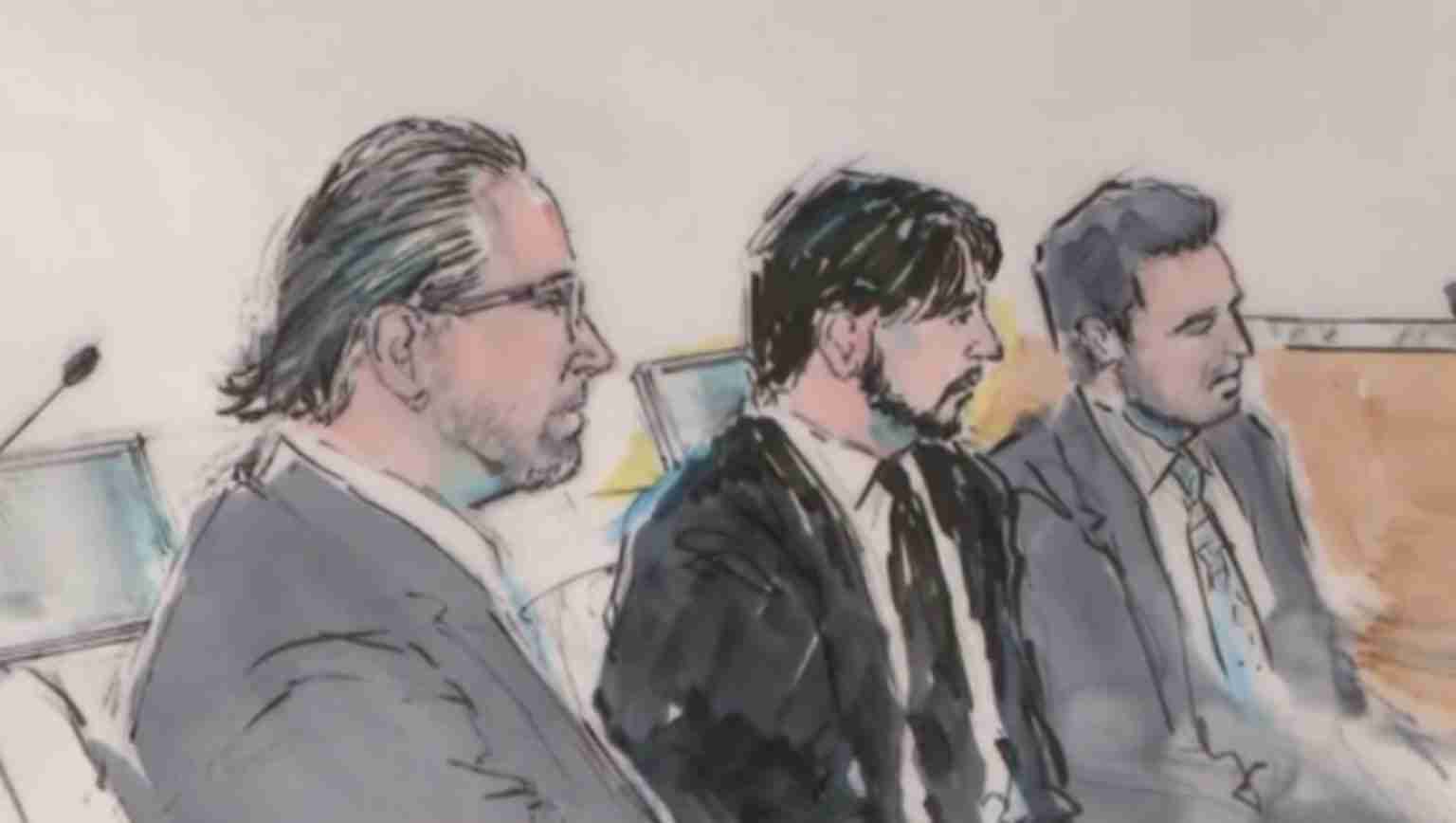
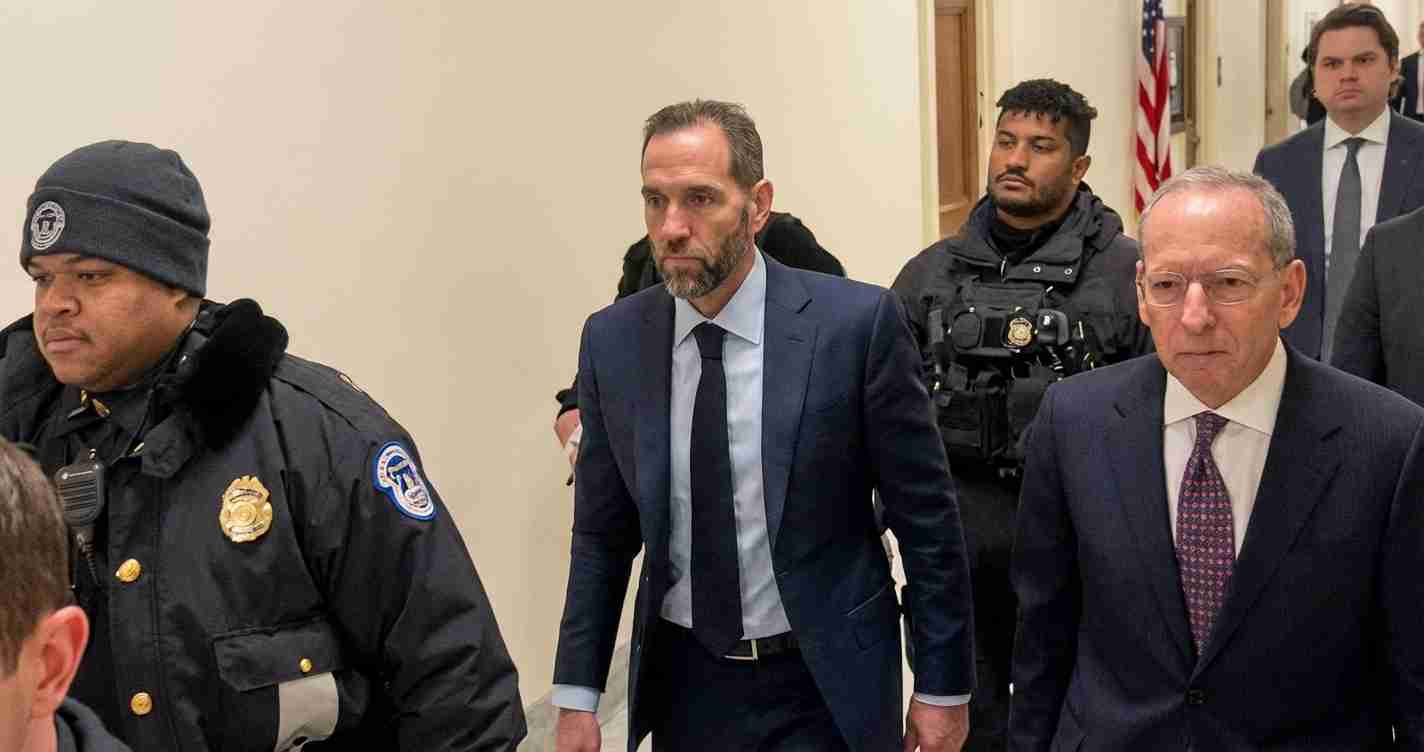
Special Counsel Jack Smith testified eight hours before the House Judiciary Committee on Dec. 17, 2024, vigorously defending his probes of former President Trump and asserting investigators had “proof beyond a reasonable doubt” in the Jan. 6 and Mar-a-Lago matters.
Key takeaways
- Smith told lawmakers his team developed “proof beyond a reasonable doubt” that Trump committed crimes in the Jan. 6 election-interference and Mar‑a‑Lago classified‑documents matters — see readtpa.com.
- The closed-door deposition lasted about eight hours on Dec. 17; a more than 250‑page transcript and video were released on New Year’s Eve — see ms.now.
- Smith said his charging decisions were impartial and would be the same regardless of political party, and he raised alarms about witness intimidation and possible retaliation.
- He cited cooperating witnesses who strengthened the election case and described steps to avoid any appearance of bias, including removal of an FBI agent with a private email tie to Jan. 6.
Background: why Smith was called and what he was asked
Appointed by then‑Attorney General Merrick Garland in 2022, Special Counsel Jack Smith led two major criminal probes: alleged efforts to overturn the 2020 election — including false electors and voter‑fraud claims tied to Jan. 6 — and the retention of classified documents at Mar‑a‑Lago after Trump left office. Smith brought charges linked to both investigations and made his first Capitol Hill appearance in a closed‑door deposition amid sharp partisan attacks on the special counsel’s work. For coverage and summary see readtpa.com.
Claims about evidence and prosecutorial judgment
Throughout the deposition, Smith repeatedly stressed that the material gathered by his office satisfied the criminal standard. He told committee members his office had developed “proof beyond a reasonable doubt” that Trump committed crimes in both the election‑interference and classified‑documents matters.
“If asked whether to prosecute a former President based on the same facts today, I would do so regardless of whether that President was a Republican or a Democrat.” — Smith, deposition transcript
Smith emphasized that witnesses who were once close to Trump and later cooperated materially strengthened the Jan. 6 case; their testimony helped show that certain conduct was foreseeable and that Trump “caused it and… exploited it,” referring to the risks his statements posed to officials including the vice president. See the committee release and reporting at ms.now and readtpa.com.
Efforts to avoid bias and preserve credibility
Smith said he accepted the special counsel role with no preconceived outcome and would only pursue charges supported by facts and law. He outlined steps taken to avoid any real or perceived partisanship, including the removal of an FBI agent after discovering a private email tie related to a Jan. 6 family dispute — an action taken despite no evidence the agent exhibited partisan bias. Reporting and the transcript document these steps — see ms.now and readtpa.com.
Witness intimidation and the rule of law
A recurring theme in Smith’s testimony was the threat of witness intimidation. He described it as “probably the most corrosive thing that can happen to the rule of law,” drawing on experiences from murder prosecutions and international work where witnesses were killed or threatened. Smith warned that attacks on witnesses and career prosecutors undermine the ability to secure truthful testimony in sensitive cases.
Public hearing denied; Smith asked to speak publicly
Smith told the committee he had requested a public hearing so he could defend his team and explain their work openly, arguing career public servants had been “vilified by President Trump and people who work for him.” Republicans on the committee declined a public session; the deposition remained closed until the transcript and video release on New Year’s Eve. For details, see ms.now.
Retaliation concerns and political context
Smith warned that a Justice Department led by Trump might seek retaliatory actions against him and others involved in the investigations, saying he would not be surprised by such efforts. He cited social media posts that labeled him a “deranged lunatic,” “psycho” and “criminal,” and said such posts appeared to look like directions for retaliation.
Where to read the deposition
The full Jack Smith deposition transcript and video were released by the House Judiciary Committee on New Year’s Eve. Readers can find the transcript in the committee release and in news reports summarizing key moments; see the transcript and reporting at ms.now and a summary at readtpa.com.
Implications for Las Vegas, Nevada
The national debate over the Smith probes carries local consequences for Las Vegas across economic, political, social and cultural dimensions. Below are concise assessments and practical takeaways for residents and officials.
Economic impact
Tourism and conventions: Las Vegas depends on stable perceptions of safety and continuity. High‑profile federal probes and political turmoil can affect convention bookings and advertising demand if demonstrations or intense media cycles are expected, with ripple effects for hospitality businesses and unions.
Political consequences
Swing‑state dynamics: Nevada — and Clark County specifically — is a national battleground. Smith’s insistence on impartiality may reassure urban moderates, while attacks on prosecutors could further politicize federal law enforcement and affect local‑federal cooperation on complex cases.
Social effects
Smith’s warnings about witness intimidation resonate locally. Any national trend that discourages witness cooperation could hamper investigations into violent and organized crime in Las Vegas. The city should also prepare for possible demonstrations that could strain policing during peak tourism periods.
Cultural relevance
Las Vegas’s diverse population often engages with national debates in local media, workplaces and community spaces. For urban moderates, Smith’s testimony may underscore the importance of nonpartisan public servants and rule‑of‑law protections.
Practical applications for residents
- Voters: Developments may influence how Las Vegas voters weigh candidates and law‑and‑order messaging in upcoming races.
- Civic engagement: Expect local forums and newsrooms to host more discussions on federal prosecutions and Nevada’s role in witness protections and subpoenas.
- Safety and services: City officials and law enforcement may need increased planning for protests and related security demands.
Reporting and transparency
Local reporters, civic groups and Nevada’s congressional delegation will likely monitor how federal attorneys, county prosecutors and courts handle witness protections, subpoenas and evidence sharing. Smith’s emphasis on witness safety and impartiality may prompt renewed focus on protecting cooperating witnesses and maintaining public trust.
Sources
Full coverage and summary of points from Smith’s deposition: readtpa.com
Transcript and video release details: ms.now