Giant yellow cedar felled on Vancouver Island despite BC tree protection rules, prompting forestry investigation
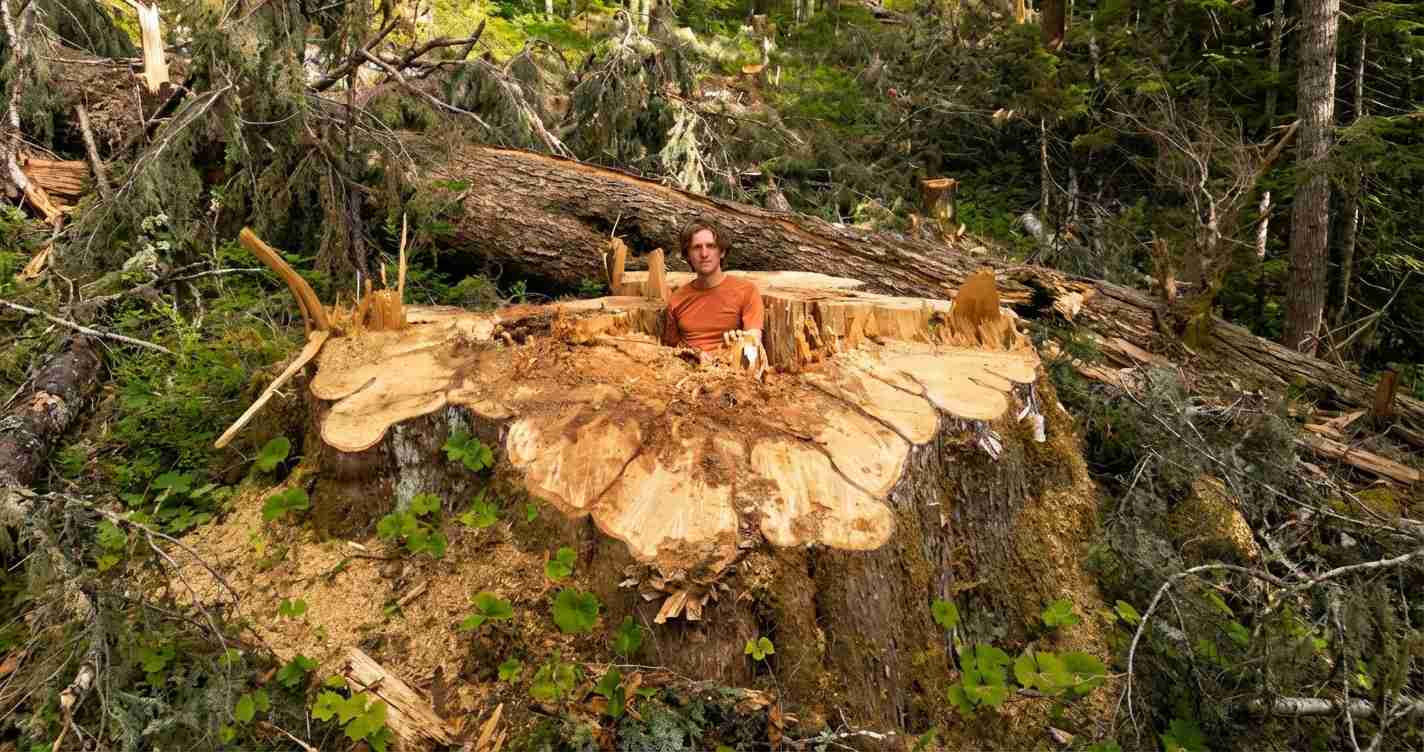
A giant yellow cedar on Vancouver Island measuring 9.15 feet (2.79 metres) DBH was cut down despite qualifying as a protected “specified tree” under BC’s Special Tree Protection Regulation, triggering a BC Forests Ministry investigation and scrutiny of self-reporting rules.
- Protected tree reportedly cut: A yellow cedar measured 9.15 ft (2.79 m) DBH but was felled despite thresholds that should protect it (Town & Country Today).
- Investigation opened: The BC Forests Ministry confirmed an investigation after a complaint by Joshua Wright; no public finding or penalty has been reported yet (Town & Country Today).
- Regulation depends on industry reporting: The Special Tree Protection Regulation requires operators to report specified trees within 30 days, highlighting risks in self-reporting (BC laws).
- Broader concern: Conservation groups say thresholds, small buffers and exemptions weaken protections and call for stronger oversight (Endangered Ecosystems Alliance; BC Tree Hunter).
What happened
Local resident Joshua Wright filed a complaint after a giant yellow cedar on Vancouver Island — measured at 9.15 feet (2.79 meters) DBH — was reportedly cut down. The size exceeds the diameter thresholds that, under the province’s rules, would typically designate a tree as a protected “specified tree.” The incident was reported publicly by Town & Country Today.
What the law says and how it is supposed to work
Under the Special Tree Protection Regulation (a regulation under the Forest and Range Practices Act), the government sets species-specific diameter thresholds. Trees that meet or exceed those thresholds are “specified trees” and are protected from being cut, damaged, or destroyed during primary forest activities on Crown land or private land under Forest Act agreements, unless a ministerial exemption applies. BC laws
The regulation also protects supporting trees within a 56‑metre radius of a specified tree in many cases. Operators are required to report discovered specified trees within 30 days, including species, location (latitude/longitude) and authorization details. Prior reports in an area can satisfy later reporting requirements; exemptions exist for safety or operational necessity (BC laws).
How the tree was reportedly felled
According to the complaint and reporting, the yellow cedar measured about 9.15 feet (2.79 m) DBH — larger than Crown land protection thresholds — yet it was cut down. The reporting suggests two possible failures in the system: the logging operator either did not report the tree before felling or an exemption was claimed. The Forests Ministry confirmed it is investigating but has not disclosed whether a report or exemption was filed (Town & Country Today; BC laws).
Why conservation groups and experts are alarmed
Advocates and experts highlight three main concerns:
- High thresholds and small buffers: Protections introduced in 2019 covered a subset of the largest trees, with critics arguing thresholds are too large and buffers too small to protect ecosystem and old-growth values (Endangered Ecosystems Alliance).
- Industry self-reporting is fragile: Relying on operators to identify and report specified trees can lead to missed or delayed notifications, undermining protection goals (Town & Country Today).
- Exemptions and enforcement gaps: Rules allow exemptions for safety or operations, and oversight and penalty processes are not always clear; activists call for proactive monitoring and stronger penalties (BC Tree Hunter).
Context: what has changed and what remains
In 2019 the province announced protections for 54 of BC’s biggest trees on the Big Tree Registry and set 1‑hectare buffers around them. That measure was described by some as a first step but insufficient for protecting old‑growth stands. Thresholds set in 2020 for Crown land — for example, 2.70 metres (8.86 feet) for coastal Douglas‑fir — were established without a broad public process and remain adjustable by government action, which critics say adds uncertainty (Endangered Ecosystems Alliance; BC Tree Hunter; BC laws).
Local rules do not fill gaps for rural Vancouver Island forests
Municipal bylaws like Vancouver’s tree protection bylaw (which protects private trees with a DBH of 20 cm or more) do not apply to logging on Crown land or industrial forestry operations. That leaves provincial rules as the primary safeguard for large trees outside municipal boundaries (City of Vancouver; Raincoast documentation).
What the ministry says and what it may do
After the complaint from Joshua Wright the BC Forests Ministry confirmed an investigation. The ministry did not, at the time of reporting, disclose whether the operator filed a report or sought an exemption or when the investigation will be complete. The lack of public detail has increased calls for clearer and faster disclosure when alleged breaches involve high‑profile natural assets (Town & Country Today; BC laws).
Broader questions about enforcement and trust
The felling of a tree that appears to meet protection thresholds raises governance questions: Who monitors Crown land logging operations? How quickly are reports checked and breaches penalized? Are thresholds and buffers adequate to preserve ecosystem value and public trust? Environmental groups say this case underscores the need for independent audits, stronger public reporting and lower thresholds for protection (Endangered Ecosystems Alliance; BC Tree Hunter).
Implications for Las Vegas, Nevada
Economic impact: Timber and forest products are part of global supply chains. If BC tightens protections or changes logging practices, specialty wood markets could shift and affect builders and craft industries in Las Vegas.
Political consequences: The case is a reminder that regulatory design matters. Local policymakers in Las Vegas may face pressure to increase transparency and strengthen local protections to avoid overreliance on industry self‑reporting.
Social, cultural and practical lessons: The loss of an iconic tree in BC can serve as a cautionary tale about protecting mature trees, respecting cultural ties to land, and instituting measures such as third‑party verification, clear public reporting channels and rapid investigation procedures to maintain public confidence.
Reporting and next steps
The Forests Ministry investigation will be watched closely. For now, the public record shows a large yellow cedar that appears to have met protection thresholds was cut down, highlighting gaps in a system that depends heavily on industry to identify and report the province’s biggest trees. Follow‑up reporting should track the ministry’s findings, any enforcement actions, and whether this incident prompts changes to the Special Tree Protection Regulation or its implementation (BC laws; Town & Country Today; Endangered Ecosystems Alliance).
“This incident exposes the fragility of a system that relies on industry reporting and limited buffers to protect our most significant trees.” — conservation advocates