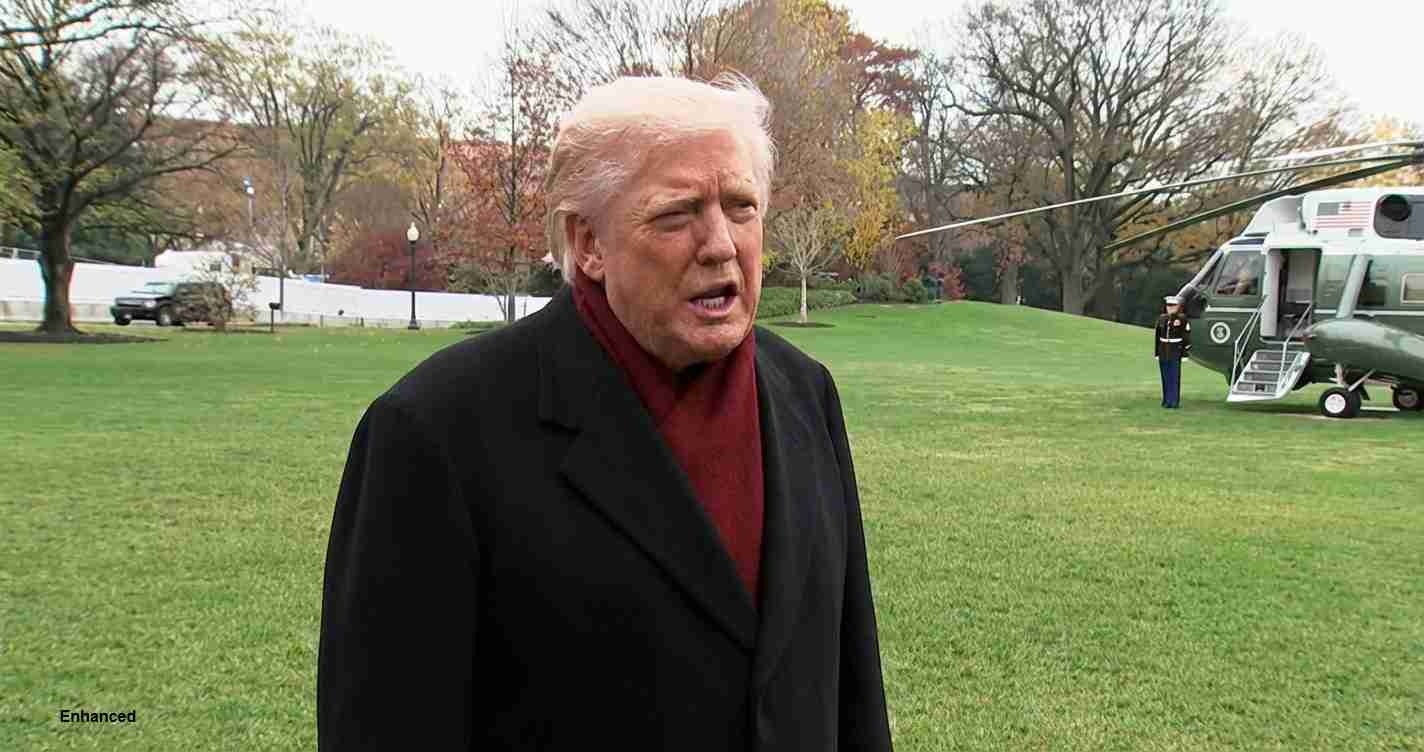
Trump touts “GOP unity” while calling Greene, Paul and Massie “lowlifes,” exposing deep Republican Party divisions
Donald Trump declared on Truth Social that the Republican Party has “never been so united,” while simultaneously calling Rep. Marjorie Taylor Greene, Sen. Rand Paul and Rep. Thomas Massie “lowlifes,” underscoring deep GOP divisions and raising questions about party cohesion.
- Contradiction: Trump claimed the GOP is unified while publicly labeling Rep. Marjorie Taylor Greene, Sen. Rand Paul and Rep. Thomas Massie as “lowlifes”, revealing internal tensions.
- Policy fractures: Greene, Paul and Massie have histories of breaking with party leadership on procedural votes, spending and foreign policy, complicating unified messaging.
- Political impact: Analysts warn public rebukes may pressure members to conform but can also harden resistance, affecting legislation and midterm strategies.
- Local stakes: Divisions in Washington could delay appropriations and federal funding that matter to Las Vegas and Nevada residents.
What Trump wrote and who he named
Hitting his own social platform, Truth Social (the post is summarized here) Trump promoted a message of Republican solidarity while singling out members he portrays as disloyal. The post named Rep. Marjorie Taylor Greene, a controversial House Republican; Sen. Rand Paul, a libertarian-leaning senator; and Rep. Thomas Massie, a libertarian-leaning representative known for procedural challenges.
Trump’s pattern and political signaling
Trump’s pattern of public rebukes is familiar: he uses high-profile posts to promote allies and punish critics, signaling who is inside his political camp and who is not. This dual message — an image of unity for voters alongside public pressure on dissenters — aims to consolidate influence within the GOP.
Effect: Public rebukes can push wavering members to toe the line but may also entrench opposition and expose fractures to voters and opponents.
Why these targets matter
Each lawmaker named represents a distinct fault line inside the Republican conference:
- Marjorie Taylor Greene: A staunch Trump ally who has frequently challenged House leaders and threatened procedural moves that heighten tensions within the caucus. (See the Greene office for her statements.)
- Rand Paul: The Kentucky senator is a chief libertarian voice in the Senate, often opposing party-backed measures on spending, foreign policy and civil liberties. (Office: Paul office.)
- Thomas Massie: The Kentucky representative routinely votes against large spending bills and forces roll-call transparency, revealing splits inside House Republicans. (Office: Massie office.)
Context: unity claims vs. reality
Trump’s repeated claims of GOP unity are strategic as he seeks to show control of the party ahead of major elections. Yet surface unity often masks disagreements over spending priorities, foreign aid, leadership choices and legislative strategy. Recent fights over government funding and foreign assistance exposed sharp divides, particularly in the House where small blocs can upend leadership plans.
Analysts’ read: The combination of praise for unity and public attacks on dissenters is designed to rally the base while policing internal opponents. That can coerce conformity but also risks increasing resistance and fueling the perception of a party in flux. (Context sources: Reuters politics; CNN Politics.)
Reactions inside the GOP
Responses have been mixed. Some Republicans back visible pressure for unity as necessary for electoral success and legislative wins. Others — particularly libertarian and conservative purists — defend independence and argue governance requires occasional dissent and compromise.
Targeted lawmakers have historically pushed back when criticized by party leaders or Trump himself, insisting they represent distinct voter bases and that internal debate is legitimate. Senate and House leaders must balance these tensions to keep a functioning majority; Trump’s comments add a new layer of pressure.
How this affects legislation and party strategy
Divisions within the GOP have real consequences: when blocs refuse to back leadership, legislation can stall, spending bills can be amended or delayed, and the risk of government shutdowns or last-minute deals increases. That dynamic can force concessions that dilute policy aims or create unstable governing coalitions.
Trump’s public criticisms can influence rank-and-file behavior by threatening primary challenges or withdrawing support — but they can also prompt targeted lawmakers to align with moderates or Democrats on specific votes, producing unpredictable outcomes for policy planning. (See Reuters analysis.)
Implications for Las Vegas, Nevada
Economic impact: Federal budget fights and delayed appropriations can affect Nevada programs and projects. Funding interruptions could disrupt federal grants for infrastructure, public safety and housing — key areas for Las Vegas communities and governments. Tourism-dependent businesses also follow federal economic policy closely.
Political consequences: Headline-grabbing fights in Washington may signal instability to Las Vegas voters, especially urban moderates. Local campaigns could exploit these divisions to promote candidates promising steady governance. A fractured GOP in Washington can reshape Nevada’s 2024 and 2026 contests.
Social and cultural effects: Heated intra-party fights can polarize voters and energize activist groups. For a service-driven city like Las Vegas, national infighting can erode small-business confidence and affect recovery efforts from economic shocks.
Practical applications for residents
- Watch how GOP divisions influence votes on federal funding, unemployment programs, veteran services and infrastructure.
- Local leaders and advocacy groups should engage with both parties’ lawmakers to protect funding streams if federal gridlock threatens programs.
- Constituents in Las Vegas can contact their members — including Nevada’s senators — to express priorities and ask where candidates stand on governance and unity (contact Sen. Jacky Rosen and Sen. Catherine Cortez Masto and local representatives).
Sources and further reading
- Truth Social
- Greene office
- Paul office
- Massie office
- Reuters politics
- CNN Politics
- Times Media Service
Reporting note
This article is based on public posts on Truth Social and reporting on GOP dynamics. Specific quotes from the Truth Social message are summarized; readers may consult the platform and the lawmakers’ official offices for primary statements.