Trump and Mamdani Reveal Shared Goal on NYC Affordability After Oval Office Meeting
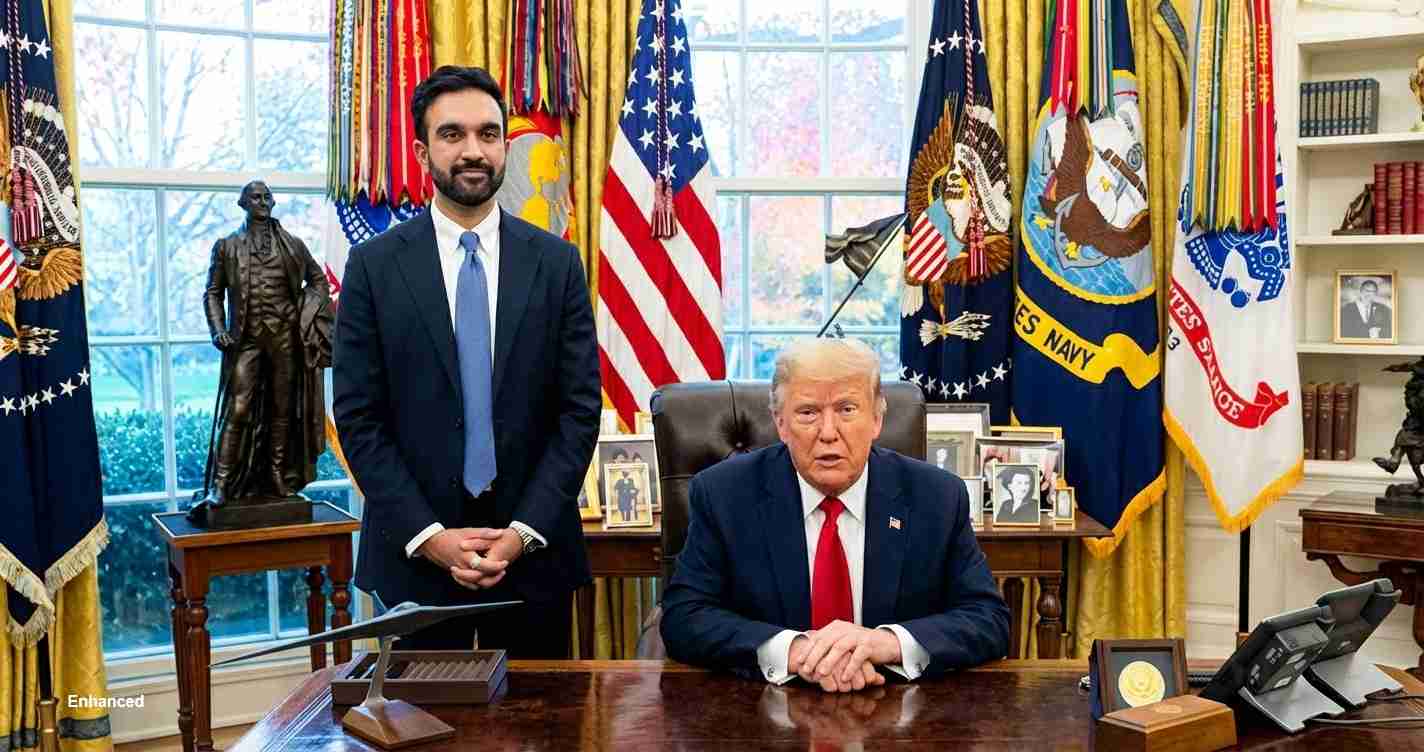
WASHINGTON (Times Media Service) — President Trump and New York City Mayor-elect Zohran Mamdani met at the White House on Nov. 21, 2025, putting aside prior clashes to focus on lowering rents, expanding housing and reducing energy costs for New Yorkers.
- Meeting focus: President Trump and Mayor-elect Mamdani discussed housing, rent and energy costs, with video of remarks available.
- Shared priorities: Both emphasized lowering rents, building more housing units and working with Con Edison to reduce energy bills.
- Political context: The meeting followed months of heated rhetoric between the two, yet both signaled willingness to cooperate on affordability.
- Mamdani’s pledge: Mamdani said he will work with Trump on any agenda that benefits New Yorkers, while opposing plans that hurt residents.
The meeting and political context
The Oval Office meeting on Nov. 21 was brief but noteworthy. Both leaders offered public remarks after a private discussion; President Trump spoke of lowering rent and building housing, while Mamdani framed the visit as a pragmatic step to ease the city’s affordability crisis. See the post-meeting remarks for full comments.
Background tensions remained visible. Trump had publicly labeled Mamdani a “communist,” and Mamdani had used sharp rhetoric toward Trump during the campaign. Despite that history, both leaders chose to spotlight concrete problems facing New Yorkers rather than ideological disputes. Reporting on the lead-up and reactions is available via news coverage of the meeting.
Notable White House remark: Press Secretary Karoline Leavitt said the visit “speaks volumes that tomorrow, we have a communist coming to the White House,” underscoring how politically charged the interaction remains even amid cooperation.
Shared priorities: housing and cost of living
The clearest areas of alignment were housing, rent relief and energy costs. President Trump raised plans to lower rent and build additional units, and both leaders discussed working with utilities to lower bills. The public comments referenced possible federal support for housing development and utility relief but contained few operational specifics; the video of the Oval Office remarks captures the public framing.
Mamdani’s emphasis: He stressed that many New Yorkers struggle with basic costs — even transit fares — and described the meeting as seeking solutions for working families who cannot afford to live in the city.
Policy gaps remain: neither leader provided firm commitments on zoning reform, funding levels, project timelines, or regulatory changes that typically speed housing construction. Discussions about Con Edison hinted at potential actions on energy bills but did not specify whether the White House would pursue federal remedies or press the utility for voluntary relief.
Mamdani’s stance on working with the White House
Mamdani described the meeting as pragmatic and routine for an incoming New York City mayor. He said he would “work with [Trump] on any agenda that benefits New Yorkers,” and pledged to oppose federal plans that would harm city residents. His office noted the meeting followed standard protocol given the city and federal government’s overlapping responsibilities; see reporting on his comments explaining his position.
That pragmatic stance reflects the complexity of New York’s housing market, which typically requires coordination across city, state and federal agencies, private developers, utilities and community groups. Mamdani’s message: ideological differences cannot justify inaction when residents face rising costs.
What was said — and what was not
Public remarks prioritized shared goals over technical details. Both leaders emphasized the need for lower rents and more housing; Mamdani reiterated the urgency of immediate relief for working families. However, the statements lacked specific commitments on funding, timelines, zoning changes, tax incentives, or regulatory maneuvers that would accelerate construction or reduce utility costs. Watch the public remarks for verbatim comments.
Why those omissions matter: Building significant housing supply often requires zoning reform, financing, community approvals and infrastructure work. Energy-cost reductions typically involve regulatory oversight and long-term capital projects. Public willingness to cooperate is a first step, but it is not a roadmap.
Sources and where to look next
Primary public records and reporting include the video of post-meeting remarks and Oval Office comments, coverage of the meeting and context in the Hindustan Times report, and reporting on Mamdani’s comments in Fox News.
Investigative follow-up to watch for:
- Any formal agreements or memoranda of understanding between the White House and New York City on housing or energy.
- Statements or meetings from Con Edison about pricing or relief programs after the Oval Office visit.
- Details from Mamdani’s transition team on proposed zoning or housing plans needing federal support.
- Federal funding requests or budget proposals that mention New York City housing initiatives.
Implications for Las Vegas
Economic and policy shifts in Washington can have ripple effects beyond New York City. If federal action on affordability — whether grants, rent relief, or utility assistance — gains momentum, cities like Las Vegas could benefit from similar programs or competitive funding opportunities.
Potential effects for Las Vegas:
- Economic: Federal housing or energy funding could be available to Nevada projects, accelerating affordable-housing production and easing local budget pressure.
- Political: The meeting highlights cross-ideological partnerships; local leaders in Clark County may be more willing to engage the federal government irrespective of party.
- Social: National programs prioritizing rent relief, vouchers, or construction incentives could help Las Vegas service workers and low-income families.
- Practical: Local officials and developers should watch for federal grant opportunities, energy-efficiency funds, and incentives that could be replicated in Nevada.
Note: For direct source material, see the Oval Office video and post-meeting remarks, reporting on the meeting and reactions in the Hindustan Times, and coverage of Mamdani’s comments in Fox News.