
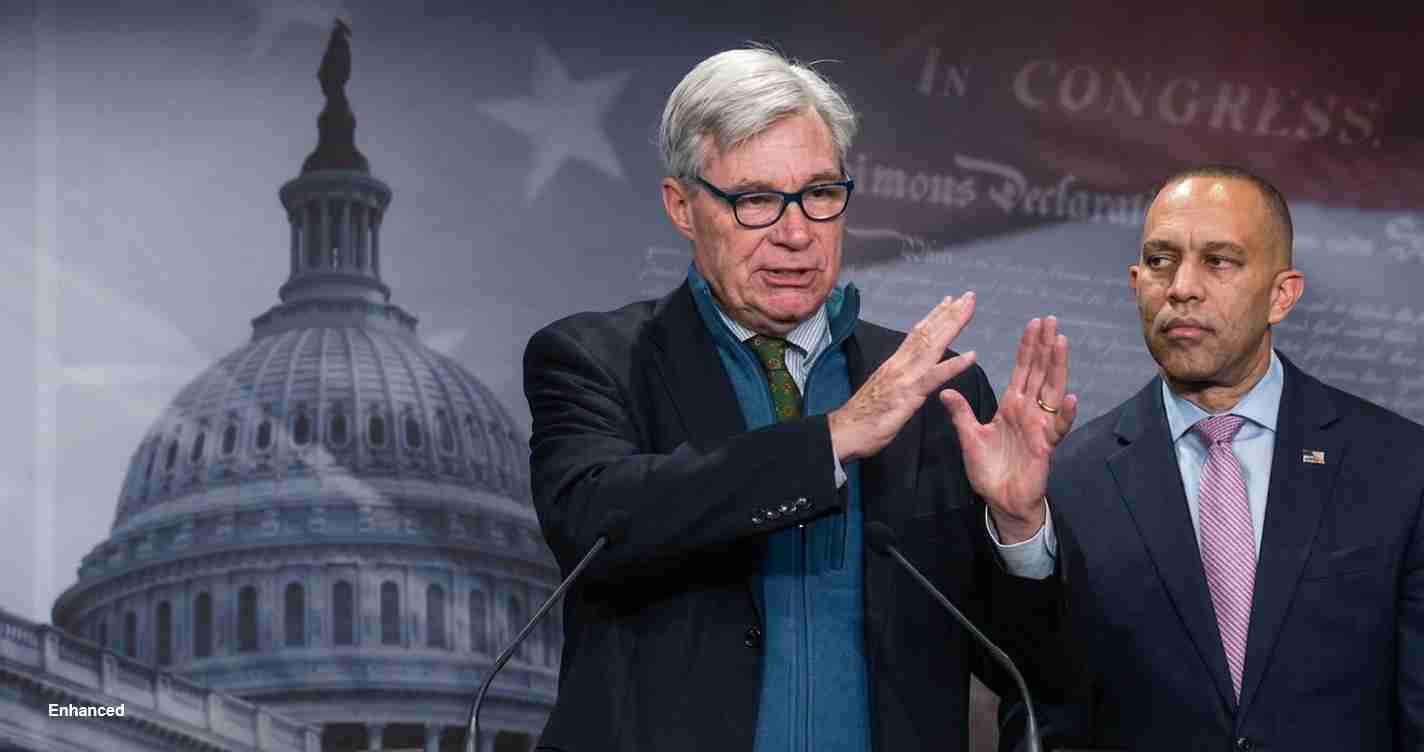
White House Calls Democratic Senator a ‘Scam Victim’ in Green New Scam Controversy Over Congressional Climate Trip
A spat erupted after White House spokeswoman Taylor Rogers mocked Senator Sheldon Whitehouse as a “victim” of the “Green New Scam” when he criticized Senator Marco Rubio for blocking funding for a congressional climate delegation to an international summit.
- Sen. Whitehouse criticized Sen. Marco Rubio for blocking funding for a congressional climate trip; reporting cites AOL.
- White House spokeswoman Taylor Rogers called Whitehouse a “victim” of the Green New Scam, amplifying partisan rhetoric (AOL).
- Conservative response: Daniel Turner of Power the Future criticized Whitehouse for praising the Chinese pavilion.
- Whitehouse’s climate record and COP participation are documented in reporting from The Japan Times, Fresh Energy and a report on Steve Ahlquist’s Substack.
Main content
What happened
Senator Sheldon Whitehouse, a longtime climate advocate, sought government funding so members of Congress could attend a high-level international climate summit to observe talks and meet with foreign delegates. He said he was angry when Senator Marco Rubio refused to approve the funding, which blocked a planned Congressional delegation.
The dispute moved rapidly from Capitol Hill to the national stage when White House spokeswoman Taylor Rogers weighed in publicly. In comments first reported by AOL, Rogers mocked Whitehouse and used the phrase “Green New Scam” to describe the agenda he supports—framing him as a political victim of a deceptive movement rather than a lawmaker pursuing diplomacy.
Taylor Rogers called Whitehouse a “victim of the biggest scam of the century: the Green New Scam.”
Conservative criticism
Daniel Turner, founder of the conservative group Power the Future, criticized Whitehouse for praising the Chinese delegation’s pavilion at the conference. Turner argued such praise overlooks China’s human-rights record and emission history and questioned U.S. priorities in elevating such engagements.
Why the fight matters
The clash taps long-running disagreements over U.S. climate policy and congressional engagement abroad. Congressional delegations to COP-style summits are routine: they grant lawmakers access to talks, side meetings, and briefings that can shape policy and oversight. Blocking those delegations converts a diplomatic tool into a partisan wedge issue.
Supporters say attendance helps lawmakers understand emissions tracking, carbon-capture technology, and rules affecting trade and industry. Critics call the trips wasteful or politically performative, and some argue they legitimize regimes with poor records. The White House’s use of “Green New Scam” reframes the debate as ideological rather than purely procedural (AOL).
Senator Whitehouse’s climate record
Senator Whitehouse has been a visible climate advocate in the Senate and at COP meetings, pushing for policies such as carbon pricing and stronger methane enforcement. Coverage of his COP participation and climate positions appears in reporting from The Japan Times, Fresh Energy, and in reporting on Steve Ahlquist’s Substack.
His praise for elements of the Chinese pavilion appears intended to foster engagement on technology and policy, but critics say such outreach must be measured against broader concerns about emissions and human-rights records.
Partisan framing and the “Green New Scam” controversy
The phrase “Green New Scam” is a political framing, not an official policy label. It is used by opponents of ambitious climate policy to suggest deception or economic harm. Its adoption by a White House spokeswoman escalates rhetoric and signals a partisan tone from an administration that has otherwise promoted climate initiatives.
Media coverage varies across outlets, but the phrase has been amplified in conservative media and by energy-focused advocacy groups that oppose international climate efforts and large-scale proposals they see as overreaching (AOL).
Sources and limits of reporting
Much reporting about the exchange traces back to the initial AOL story that cited the White House comment and conservative reactions. Additional context on Whitehouse’s COP work is available from the outlets cited above (The Japan Times, Fresh Energy, Steve Ahlquist’s Substack).
Direct transcripts of Taylor Rogers’ full remarks or detailed public statements from Senators Whitehouse and Rubio on the funding refusal are not widely available in those reports. For a complete accounting, appropriations records or official statements would be required; the current public dispute largely reflects political messaging rather than a detailed funding ledger.
Implications for Las Vegas, Nevada
Economic impact
Nevada’s economy has growing ties to clean energy and climate investment. Federal climate policy and international rules discussed at COP meetings can affect Nevada businesses in renewables, battery-mineral mining, and tourism. Blocking Congressional engagement could limit lawmakers’ first-hand knowledge of rules that influence federal grants, permitting, and trade relevant to Las Vegas companies and workers (Fresh Energy).
Political consequences
Nevada is politically mixed. Public fights like this can deepen distrust in Washington among urban Democrats and suburban or rural independents and Republicans. Local officials may pressure their senators and representatives for clear positions on international engagement and specific policies affecting Nevada projects (The Japan Times).
Social effects
National framing of climate initiatives as scams can make local consensus harder to achieve for clean energy or adaptation projects that benefit vulnerable Nevada communities, complicating efforts on jobs, housing, and public health.
Cultural relevance
Las Vegas’ tourism and conventions economy depends on international perception. Turning diplomacy into partisan argument may affect how the U.S. is viewed as a reliable partner for large gatherings tied to energy, technology, and tourism.
Practical applications for residents
Federal policy and trade rules discussed at COP-style meetings can influence energy prices, rooftop solar incentives, and grants for water and heat resilience—issues critical to Nevada’s desert climate. Limiting Congressional access could slow information flow that helps local officials secure funding or design projects (Fresh Energy).
What local leaders can watch for
- Whether the dispute affects future delegation funding or congressional travel policy.
- Any shifts in federal funding priorities tied to climate policy and international negotiations.
- Clear positions from Nevada’s senators and representatives on carbon pricing, methane rules, and federal support for renewables.
Reporting sources
- AOL: White House dubs Dem a scam victim after he fumes Rubio wouldn’t fund climate trip
- The Japan Times: Coverage of COP and carbon-capture discussions
- Fresh Energy: COP28 reporting and policy context
- Steve Ahlquist Substack: Reporting on Senator Whitehouse’s COP participation



