Trial of activist Zoe Rosenberg over chicken “rescue” shines new light on slaughterhouse practices and the limits of civil disobedience
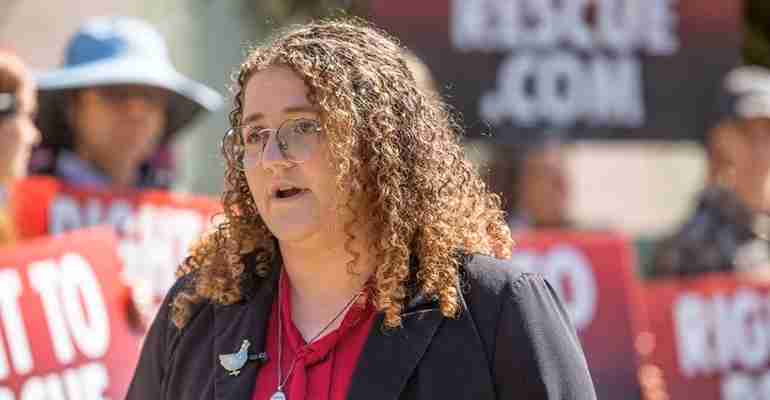
Lede: Zoe Rosenberg, a 23-year-old activist and UC Berkeley student, is on trial in Santa Rosa over the alleged June 2023 removal of four chickens from Petaluma Poultry — a case that spotlights slaughterhouse practices and civil-disobedience limits.
Key takeaways
- Defendant: Zoe Rosenberg, 23, founder of the Happy Hen Animal Sanctuary and a UC Berkeley undergraduate; local reporting is tracking the trial closely via the San Francisco Chronicle.
- Charges: One felony conspiracy count and three misdemeanors (two trespass counts and tampering with a vehicle); prosecutors say the chickens’ value was about $24 per reporting by the Chronicle.
- Potential sentence: Up to 5½ years in prison.
- Context: Rosenberg is connected to Direct Action Everywhere and “open rescues,” a tactic documented on activist sites such as Right to Rescue.
Trial background
The case centers on a dawn entry in June 2023 at Petaluma Poultry, a Perdue Farms-operated plant north of San Francisco. Rosenberg and others say they entered to remove four chickens they believed were suffering; prosecutors say the group unlawfully entered the property, took animals and tampered with company property. Local courtroom accounts are chronicled by the San Francisco Chronicle, while activist documentation is gathered at Right to Rescue.
Rosenberg’s rescue history and activism
Supporters emphasize Rosenberg’s record with the Happy Hen Animal Sanctuary and say she has helped rescue more than 1,000 animals. Activist sites and interviews, including a profile on Our Hen House, provide background on her work and the philosophy behind open rescues.
Claims and evidence presented at trial
Rosenberg testified to seeing birds with wounds, lethargy and heavy fecal soiling inside the plant, and said she found documents that suggested some birds may have entered scalding tanks while alive — a claim activists use to illustrate systemic welfare failures. Reporting on testimony and these allegations is available via the Chronicle and analysis at Unchained TV.
“I had reported concerns to multiple agencies beforehand and felt compelled to act,” Rosenberg told jurors, according to testimony reported in local coverage.
Legal issues at stake
At the heart of the trial is whether a necessity or similar defense can excuse trespass and theft when an activist claims a rescue prevented further suffering. Legal experts note such defenses have rarely succeeded in U.S. courts; the case will test how judges and juries weigh property and criminal law enforcement against claims of serious animal harm. Observers point to broader questions about how regulators respond to repeated complaints — a thread developed in both the Chronicle reporting and commentary at Unchained TV.
Industry scrutiny and policy calls
The trial has amplified scrutiny of Petaluma Poultry and renewed calls for greater slaughterhouse transparency. Activists and some lawmakers have proposed required live video feeds of parts of slaughter operations and tougher penalties for welfare violations to improve oversight. Industry representatives, including Perdue, defend their compliance with regulatory standards and warn that unauthorized entries jeopardize food and worker safety. Activist campaigns and documentation appear on Right to Rescue and analysis at Unchained TV.
Media, activism and public reaction
The trial has become a platform for groups like Direct Action Everywhere and other networks that promote open rescues and broadcast events. Coverage ranges from sympathetic portrayals of activists as whistleblowers to criticism that such tactics undermine the rule of law. The dispute has engaged ethicists, legal scholars and industry voices — all watching whether a guilty verdict might chill rescues or a not-guilty outcome could encourage more confrontational tactics. Activist materials are shared widely on platforms and archived at Right to Rescue and discussed in cultural commentary at Unchained TV.
Implications for Las Vegas, Nevada
Although the trial is in California, grocery stores, restaurants and consumers in Las Vegas are likely to follow developments. Possible local impacts include:
- Economic and supply-chain ties: Local buyers may face questions about sourcing and pressure to disclose origins or select suppliers with stronger welfare certifications.
- Retail and brand risk: National chains with Nevada locations could encounter activist campaigns pushing for clearer sourcing policies.
- Local policy and enforcement: The case may spur Nevada lawmakers and health officials to reassess reporting and inspection practices for alleged animal cruelty.
- Civic engagement: The outcome may mobilize local animal-welfare groups to hold events or pursue legislative advocacy.
- Legal precedent: Nevada attorneys will watch for rulings on necessity defenses and the standing of activists who intervene to prevent suffering.
- Public health messaging: Officials may need to balance food-safety communications with welfare concerns to manage public reaction.
Sources and further reading
Reporting and documentation referenced in this article include:
- San Francisco Chronicle reporting
- Right to Rescue collection on Petaluma Poultry
- Analysis and cultural context at Unchained TV
- Profile and interviews on Our Hen House
Note: Trial began Sept. 15, 2025, in Santa Rosa and is expected to run into late October; charges include one felony conspiracy count and three misdemeanors, with prosecutors estimating the chickens’ value at about $24.