Uber unveils Lucid-based robotaxi and begins driverless tests on Bay Area streets — what riders should know
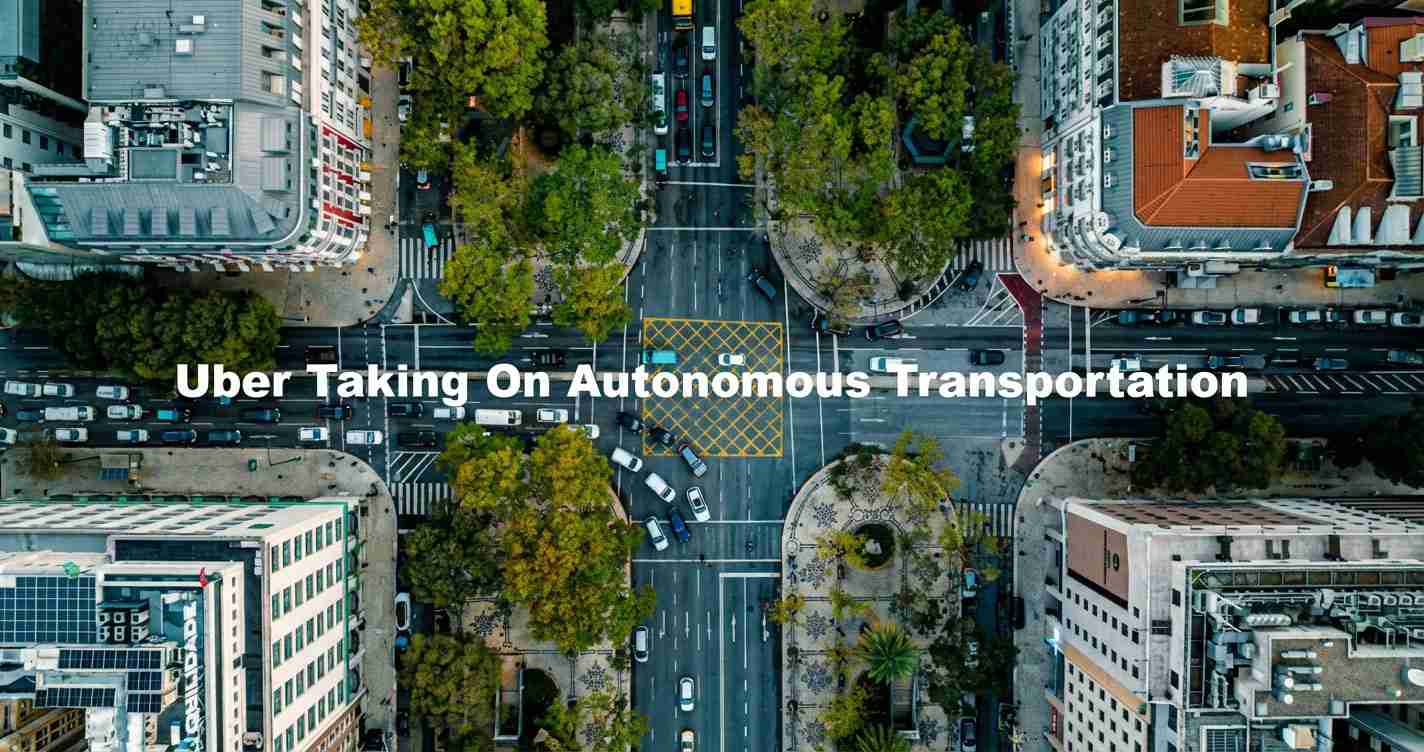
Uber, with Lucid Group and Nuro, unveiled a Lucid Gravity–based, Level 4 premium robotaxi at CES 2026 and has begun supervised on-road testing in the San Francisco Bay Area, aiming for a public launch in late 2026.
Key takeaways
- All-electric robotaxi built on the Lucid Gravity SUV platform, designed for range and comfort.
- Nuro provides the Level 4 driving stack and leads testing and safety validation.
- Supervised on-road testing began in December 2025 on public Bay Area streets.
- Uber targets a public launch in San Francisco later in 2026, pending regulatory approval.
What Uber showed at CES — and what’s on the road now
At CES 2026 in Las Vegas, Uber revealed a production-intent robotaxi that resembles a luxury SUV rather than a lab prototype. The vehicle is based on the Lucid Gravity, an all-electric SUV engineered for range and passenger comfort. SFist and PR Newswire report that Lucid will modify the Gravity for robotaxi duty and plans production in its Arizona factory later this year.
The CES exhibit included an in-cabin demo that removed the steering wheel to emphasize Uber’s passenger-focused experience. Inside, a wide curved OLED display shows vehicle status and maps. Riders can control climate, seat heating and music, request support, or ask the vehicle to pull over. The cabin layout is designed to carry up to six passengers with luggage space in two- or three-row configurations (Chauffeur Driven).
Lucid, Nuro and Uber: who does what
The partnership splits responsibilities: Uber will sell and market the service through its app; Lucid Group supplies the vehicle chassis, battery and manufacturing; and Nuro provides the autonomous driving stack, leads safety validation and runs testing operations. Uber says the combination lets it scale a passenger robotaxi with a premium feel (PR Newswire; SFist).
How the robotaxi sees the road
Nuro’s system is described as Level 4 autonomy, meaning the vehicle can operate without human intervention under specified conditions. For now, prototypes are supervised by safety drivers (autonomous vehicle operators) as they collect data on public roads (SFist; Chauffeur Driven).
The sensor suite combines high-resolution 360-degree cameras, solid-state lidar, and integrated radars in the body and a low-profile roof “halo” module. The vehicle’s compute platform uses NVIDIA DRIVE AGX Thor, part of NVIDIA’s DRIVE Hyperion ecosystem, to handle real-time perception and planning (SFist; Chauffeur Driven).
NVIDIA’s CEO framed the partnership with Uber and vehicle makers as turning “science fiction” into reality.
Testing on public roads and safety notes
Nuro began supervised on-road testing of prototypes in December 2025 in the San Francisco Bay Area to gather data and validate performance across many driving scenarios (Chauffeur Driven; PR Newswire).
Public filings and press releases note that these early tests reported no incidents so far. Regulators will still closely examine safety data before approving fully driverless operations without an onboard human operator — and broader deployments hinge on that oversight (PR Newswire).
Competition and market context
San Francisco already hosts other robotaxi efforts, most notably Waymo, which operates hundreds of vehicles in the Bay Area. Uber’s return to building and marketing its own robotaxi service positions it to compete with Waymo and Zoox for passenger market share by year-end (Chauffeur Driven; SFist).
Business model and rider experience
Uber says the robotaxi will appear as a premium option in the Uber app, implying higher pricing than standard rides initially. The in-cabin experience is designed to reassure riders: a clear display shows what the car “sees” and the planned path. LED indicators in the halo module can signal vehicle status and, in demos, display rider initials for easy pickup identification (Chauffeur Driven).
Important open questions remain about pricing, driver displacement, insurance, and grid impacts if robotaxi fleets scale up. Uber emphasizes safety validation and regulatory approvals, but independent oversight and transparent reporting will be needed as testing expands (PR Newswire).
CES 2026 context and public reaction
The robotaxi debuted at CES 2026 during NVIDIA’s exhibit at the Fontainebleau Hotel in Las Vegas, with a public display and a featured video on YouTube. The reveal attracted attention because Uber presented the vehicle as production-intent and because on-road testing is already underway in the Bay Area (Chauffeur Driven).
Implications for Las Vegas, Nevada
For Las Vegas, the near-term takeaway is that major players are accelerating robotaxi development, but wide availability will take time. Residents should watch how California regulators review safety data and how Uber, Lucid and Nuro report results from Bay Area testing (Chauffeur Driven; SFist).
Economic impact
Las Vegas could see new revenue streams from ride platforms and vehicle makers if robotaxi services scale. Lucid’s Arizona manufacturing and Uber’s potential expansion may create regional supplier opportunities that benefit the Nevada and Southwest economies (PR Newswire).
Jobs and labor
Robotaxis raise questions about drivers’ livelihoods. Early deployments often include vehicle operators, remote monitoring staff, maintenance teams and safety personnel — roles that could emerge in Nevada — but city officials and labor groups will press for transition plans, retraining and protections (Chauffeur Driven).
Tourism and conventions
Convention organizers and hotels may view robotaxis as a premium transport option for attendees. A reliable autonomous fleet could be marketed for short-haul travel in the city, but local testing approvals and infrastructure planning are prerequisites (SFist).
Public safety and regulation
Nevada has experience with autonomous vehicle rules, but officials will watch California’s approvals closely. Residents will likely demand strong safety standards, clear incident reporting, and transparency about where driverless rides will operate (PR Newswire).
Equity and access
Robotaxis could improve mobility for people who have trouble driving or accessing transit, but access depends on pricing, service-area design and commitments to serve lower-income neighborhoods. City planners and community groups will need to negotiate terms to ensure equitable service (Chauffeur Driven).
Infrastructure and grid effects
Scaling electric robotaxi fleets will increase electricity demand for charging. Las Vegas must plan charging infrastructure in public and private spaces and coordinate with utilities to avoid grid strain (SFist).
Legal and policy questions
Rollout hinges on regulatory approvals. Nevada lawmakers and city officials will evaluate liability rules, insurance requirements, and licensing for fully driverless operations — taking lessons from California’s review process and early tests (PR Newswire).
For riders in Las Vegas: major players are pushing the technology forward, but wide availability will take time. Watch California’s regulatory review and the reports from Uber, Lucid and Nuro on Bay Area testing (Chauffeur Driven; SFist).