Federal officials say Latin Kings leader offered $10,000 bounty on ICE commander, allegedly via Snapchat during Operation Midway Blitz
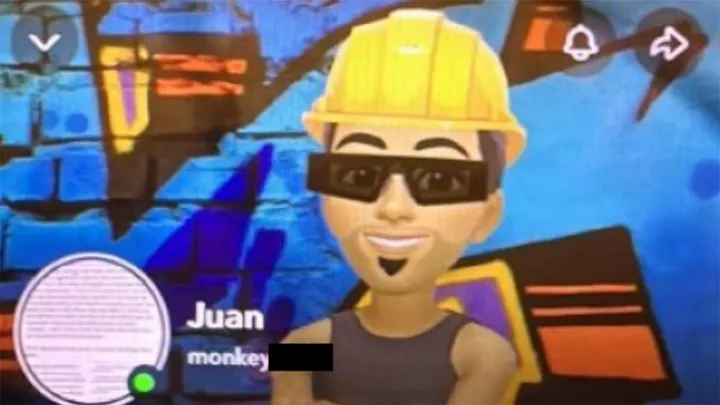
Federal authorities say Juan Espinoza Martinez, a Latin Kings leader, allegedly offered a $10,000 bounty via Snapchat to kill a senior ICE/Border Patrol officer — an allegation revealed during Operation Midway Blitz this month in Chicago.
Key takeaways
- Allegation: Prosecutors say Juan Espinoza Martinez offered a $10,000 payment to murder a Chicago-based ICE or Border Patrol supervisor.
- Method: The offer was allegedly circulated in Snapchat messages, highlighting concerns over ephemeral messaging and gang coordination online.
- Context: The plot surfaced during a broad law enforcement sweep called Operation Midway Blitz in Chicago.
- Legal status: Claims come from federal court filings and U.S. prosecutors; the allegations have not been proven in court.
Main content
Allegations and charges
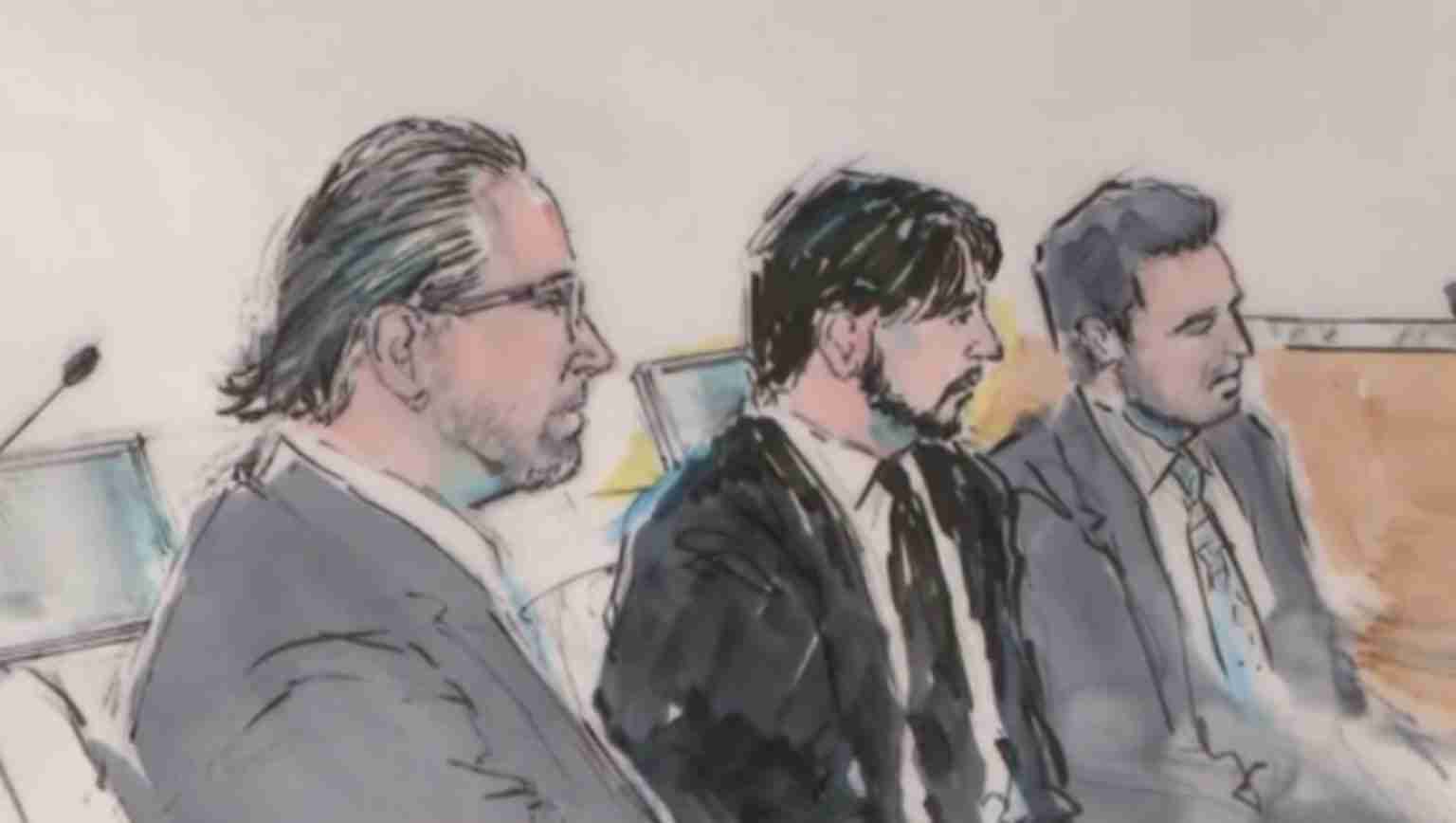
Federal prosecutors allege that Juan Espinoza Martinez, identified by prosecutors as a leader in the Latin Kings, offered payment for the murder of a Chicago-based ICE or Border Patrol supervisor. The alleged offer — a $10,000 bounty — was reportedly circulated in Snapchat messages, according to the indictment and public statements by U.S. attorneys. These claims are drawn from federal filings and public remarks and do not represent a court verdict.
“The offer was communicated via Snapchat messages,” prosecutors wrote in court filings, according to reporting.
The reporting does not indicate the targeted officer was harmed. Federal officials say the plot came to light during a broader law enforcement action, and the charges described by prosecutors mark an alleged escalation in tactics used to threaten federal officers.
Reporting and detail are cited from CWB Chicago.
Operation Midway Blitz: how the case emerged
Investigators say the alleged bounty was uncovered during Operation Midway Blitz, a coordinated enforcement effort aimed at dismantling gang operations and criminal networks in and around Chicago. Federal and local partners executed searches and arrests as part of the operation; it was during that wider probe that investigators say they located Snapchat communications referencing a bounty on an immigration enforcement official.
Prosecutors describe the sweep as targeting multiple members of criminal networks, with a focus on disrupting organized violence, narcotics trafficking and alleged conspiracies to commit serious crimes. The discovery of a direct threat against a high-ranking ICE official drew particular attention because it broadens the scope of alleged gang activity beyond traditional street crimes.
Source reporting: CWB Chicago.
Social media, Snapchat and gang coordination
Investigators contend the alleged plot was communicated through Snapchat, a platform known for disappearing messages and multimedia exchanges. Prosecutors say Espinoza Martinez used Snapchat to offer payment and to direct others toward carrying out the act. If proven at trial, the allegation would underscore how gangs can exploit messaging apps to recruit and coordinate violent acts.
Law enforcement officials nationwide have warned about social media’s role in facilitating criminal activity. This case raises questions about how investigators trace and preserve ephemeral messages, how platforms cooperate with law enforcement, and how prosecutors prove intent and participation when accounts are anonymized or messages are deleted.
Related reporting: CWB Chicago.
Who are the Latin Kings?
The Latin Kings are one of the largest and most organized street gangs in the United States. Prosecutors say Juan Espinoza Martinez occupies a leadership role within that organization. Historically, the Latin Kings have been linked to homicides, drug trafficking and organized crime in multiple cities, and federal authorities have long prioritized investigations into their leadership and rackets.
In this case, federal filings tie the alleged murder-for-hire plot specifically to the Latin Kings; there is no public indication in the cited records that other gangs were involved. The indictment centers on Espinoza Martinez and communications prosecutors say originated from him.
Reporting source: CWB Chicago.
Federal response and officer safety
U.S. prosecutors and federal law enforcement agencies have flagged the alleged threat while taking steps to protect ICE and Border Patrol personnel. Authorities typically increase security measures when agents are targeted, coordinate with local police, and use protective details when necessary. Prosecutors also said the matter emerged in an enforcement sweep designed to limit gang leadership’s influence and their ability to order violence.
Publicity around the case may influence how threat information is shared with the public and with officers assigned to immigration enforcement. Legal experts emphasize that allegations must be proven in court; public statements and filings offer a snapshot of the prosecutors’ case but not the full record that will emerge at trial.
Source: CWB Chicago.
Operation Midway Blitz Chicago — what it means
Authorities describe Operation Midway Blitz as a sizable operation aimed at dismantling criminal networks. The discovery of alleged murder-for-hire communications during that operation alarmed officials because it signals organized efforts to target federal agents. The operation’s broader goal was to disrupt leadership and stop coordinated violence that crosses city and state lines.
Reporting cited: CWB Chicago.
Implications for Las Vegas, Nevada
Economic impact:
- Security costs: If similar tactics spread nationally, Las Vegas agencies could face higher costs for officer protection, overtime and equipment, potentially requiring federal grants.
- Business and tourism: High-profile threats, even if alleged, can concern visitors; city leaders may emphasize stability and public-safety reassurances.
Political consequences:
- Local politics: Officials may press for closer coordination with federal partners and additional resources.
- Policy debates: The case may reinforce calls for balanced approaches that protect officers while ensuring civil liberties and fair prosecutions.
Social effects:
- Community trust: Use of social media to target law enforcement can heighten fear; community leaders may need to work to maintain trust between police and neighborhoods.
- Outreach and prevention: The case highlights the need for programs steering youth away from gangs and reducing recruitment via social platforms.
Cultural relevance:
- Media and perception: Coverage can shape perceptions about gang presence; local media should provide context to avoid sensationalism.
- Latino communities: Leaders may emphasize culturally informed prevention programs that avoid stigmatizing broader Hispanic and Latino populations.
Referenced reporting: CWB Chicago.
Practical applications — what Las Vegas residents and officials should know
- Officer safety protocols: Agencies should review threat-assessment protocols and coordinate with federal partners to share intelligence on tactics that include messages sent via apps like Snapchat.
- Social media monitoring and privacy: Agencies must balance monitoring public threats with privacy rights and should train on preserving digital evidence and obtaining timely cooperation from platforms.
- Reporting and tips: Residents who see threatening messages or gang recruitment activity online should report them to local police tip lines or Crime Stoppers to help investigators intervene early.
- Prevention funding: City and county leaders may pursue federal grants for gang-prevention, afterschool programs, and tech-based outreach to at-risk youth.
Source reporting and court filings are cited from CWB Chicago, based on federal court filings and statements by U.S. prosecutors as reported by Times Media Service.
Source
Full reporting and details of the indictment are available from CWB Chicago. The article and the federal filings cited form the basis of the facts presented here.