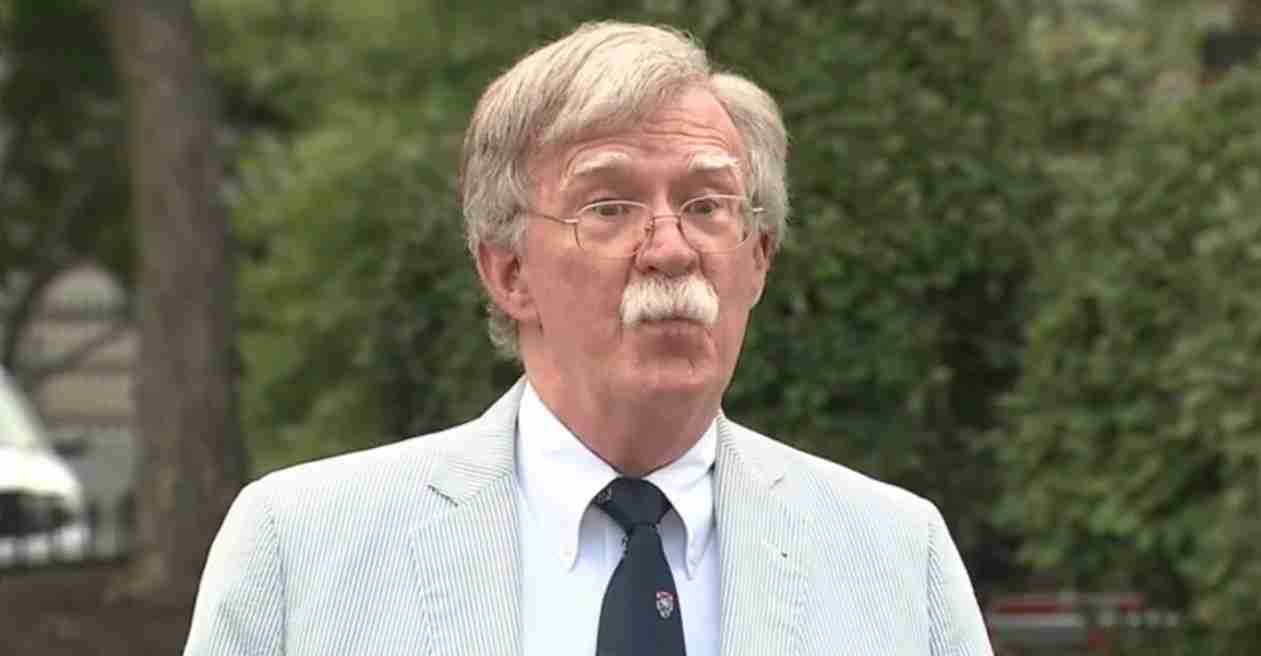
Ex-National Security Advisor John Bolton indicted on 18 counts over alleged mishandling of classified documents
John Bolton was indicted on 18 federal counts alleging improper transmission and retention of classified materials, including TOP SECRET/SCI documents, spanning 2018 through 2025 and leading to a federal grand jury indictment and anticipated court proceedings.
Key takeaways
- Defendant: John Bolton, former National Security Advisor (served 2018–2019).
- Charges: 18 federal counts — eight counts of transmission of National Defense Information and ten counts of retention of National Defense Information. (Source: Source)
- Alleged timeframe: April 9, 2018, through at least August 22, 2025. (Source: Source)
- Law enforcement action: FBI agents executed a search of Bolton’s Montgomery County, Maryland residence in August 2025. (Source: Source)
Key information
Defendant: John Bolton, former National Security Advisor (served 2018–2019).
Charges: 18 federal counts — eight counts of transmission of National Defense Information and ten counts of retention of National Defense Information. (Source: Source)
Time frame alleged: On or about April 9, 2018, through at least August 22, 2025. (Source: Source)
Location of alleged unlawful storage: Bolton’s home in Montgomery County, Maryland. (Source: Source)
Law enforcement action: FBI agents executed a search of Bolton’s Maryland residence in August 2025. (Source: Source)
Status: Indictment returned by a federal grand jury; legal process is expected to continue with arraignment and possible pretrial motions. (Source: Source)
Details of the indictment
A federal grand jury returned an 18-count indictment against John Bolton, alleging he shared and kept highly classified material after leaving the White House. Prosecutors say the materials included records classified up to the TOP SECRET/Sensitive Compartmented Information (TS/SCI) level.
The indictment alleges Bolton gave more than a thousand pages of information about his daily activities as National Security Advisor to two unauthorized people, identified only as Individuals 1 and 2 in the charging document. (Source: Source)
“From on or about April 9, 2018, through at least on or about August 22, 2025, BOLTON abused his position as National Security Advisor by sharing more than a thousand pages of information about his day-to-day activities as the National Security Advisor—including information relating to the national defense which was classified up to the TOP SECRET/SCI level—with two unauthorized individuals, namely Individuals 1 and 2… BOLTON also unlawfully retained documents, writings, and notes relating to the national defense, including information classified up to the TOP SECRET/SCI level, in his home in Montgomery County, Maryland.” (Source: Source)
Charges explained
The eight counts of transmission allege Bolton knowingly transmitted or communicated national defense information to persons not entitled to receive it. The ten retention counts accuse him of willfully retaining national defense information and failing to deliver it on demand to an officer of the United States entitled to receive such information. Each count carries potential criminal penalties, and the mix of transmission and retention counts signals prosecutors view this as both a disclosure and storage matter. (Source: Source)
Law enforcement and investigation timeline
Public reporting tied to the indictment says the FBI executed a search warrant at Bolton’s Montgomery County residence in August 2025. That search and subsequent investigative steps led to the grand jury indictment in October 2025. Attorney General Pam Bondi, announcing the charges, stated, “There is one tier of justice for all Americans,” framing the prosecution as enforcement of equal accountability for mishandling classified information. (Source: Source)
Context and legal considerations
The indictment covers a sustained period from Bolton’s time in the Trump administration through several years after he left government service. That extended time frame is central to the prosecution’s narrative about scope and persistence of alleged mishandling. The presence of TS/SCI-level material raises higher stakes given protections for sensitive intelligence sources and methods.
Common legal defenses in similar cases focus on intent, claims of authority or declassification, and whether specific items were lawfully possessed. As of this reporting, there is no public statement from Bolton or his legal team in the cited coverage. (Source: Source)
Comparison to other high-profile classified-materials cases
Observers will compare this case to prior matters involving former officials and classified documents. Prosecutors emphasize that the combination of volume, classification level, and alleged sharing with unauthorized parties distinguishes the Bolton indictment. The dual focus on both transmission and retention gives prosecutors multiple avenues to pursue accountability. (Source: Source)
What comes next in the legal process
With the indictment filed, Bolton faces arraignment; defense attorneys may file motions challenging the indictment’s sufficiency, the legality of the search, or the lawfulness of possession. Plea talks are possible but speculative. Given Bolton’s profile and national-security implications, the case may progress slowly and involve classified-information procedures that restrict public access to certain filings. (Source: Source)
Implications for Las Vegas, Nevada
Though the indictment centers on a Maryland residence and federal actions, local effects in Las Vegas may follow across several domains:
- Economic impact: Defense contractors, tech firms and vendors in Las Vegas that handle classified work may tighten security and incur higher compliance or training costs.
- Political consequences: Nevada’s delegation and local leaders could be pressed to comment, potentially sharpening debates on accountability and classified-information rules.
- Social effects: Workers requiring clearances may face increased vetting or updated protocols; public trust and institutional transparency debates may intensify.
- Cultural relevance & practical actions: Employers, training centers and military-adjacent facilities in the region may review remote-work policies and clearance-related training to reduce risk.
(Source: Source)
Source and attribution
This article is based on the detailed indictment and live news coverage cited throughout. The key reporting referenced is available at: Source. The indictment text quoted and the timeline of events are drawn from the same account. (Source: Source)